
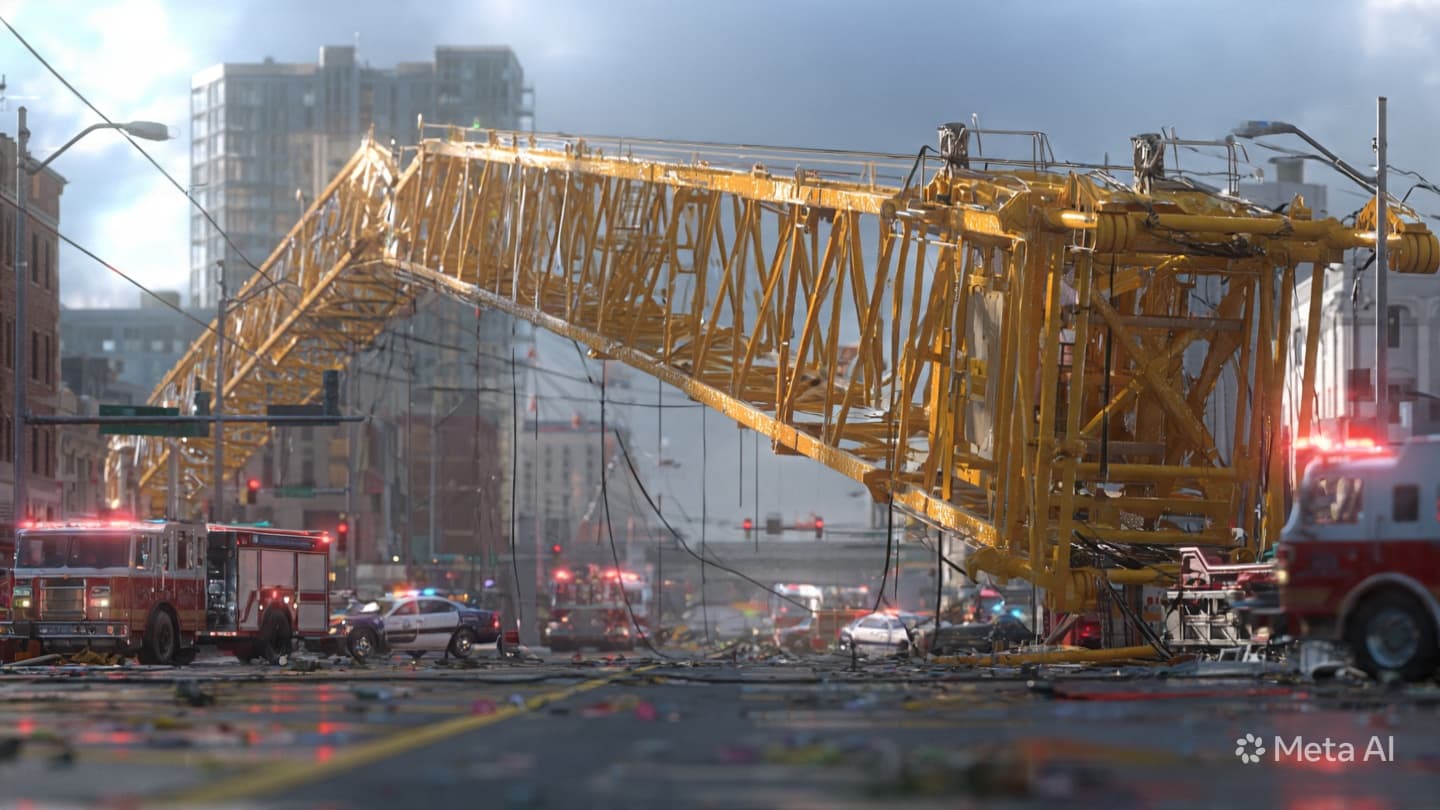
The landscape of Gyeonggi Province is defined by the rapid, upward reach of modern development, a forest of cranes that signify the relentless forward motion of our urban centers. We navigate beneath these steel giants daily, rarely pausing to consider the sheer weight suspended above the path of our transit. There is a silent, implicit trust placed in the engineering that governs these sites, an assumption that the machinery of progress will remain anchored and secure. When that trust is broken, the result is a jarring intrusion upon the normalcy of our passage.
When a crane topples, the event is not merely a technical failure; it is a profound rupture in the environment we inhabit. The sudden collapse transforms a busy roadway into a space of immediate, localized disaster, where the intended order of the construction site is replaced by the haphazard scatter of wreckage. For the bystander or the driver whose vehicle was caught in the path, the shift from the mundane commute to the unexpected reality of survival is a transition that leaves a lasting impression on the collective memory.
The response to such an incident is a study in the necessity of order following chaos. Emergency crews descend upon the site with a focused intensity, their efforts directed toward clearing the debris and providing aid to those caught in the fallout. In this case, the sight of a crushed vehicle serves as a visceral reminder of our vulnerability. The work of the responders is the essential, often invisible foundation that helps the city reconcile with the shock of the event, bringing a measure of stability back to the disrupted road.
To reflect on this collapse is to consider the duality of our urban growth. We pursue the promise of new infrastructure, but we must also contend with the inherent risks posed by the massive equipment required to build it. The investigation that follows the incident is a necessary, if somber, dialogue, a process intended to uncover the variables—mechanical, human, or environmental—that allowed the stability of the crane to vanish. It is an editorial process of finding lessons in the wreckage to safeguard the future.
The atmosphere at the site, once the initial panic has dissipated, is characterized by a quiet, reflective tension. Bystanders and locals look on with a heightened awareness, their perspective of the construction cranes shifting from a symbol of growth to a potential source of peril. This awareness is a vital part of the urban experience, a reminder that the height of our ambitions must be tempered by the rigor of our oversight and the care of our maintenance.
As the debris is meticulously removed and the roadway slowly begins its return to function, the mark of the incident remains. The incident becomes a part of the local history, a reference point for future safety discussions and a reminder of the vigilance required in high-density development zones. We continue to build, but the memory of the fallen crane acts as a subtle, recurring caution against the complacency that can sometimes accompany the familiar sights of the city.
The broader public discourse prompted by this incident focuses on the adequacy of safety standards and the rigor of site inspections. We reflect on the balance between the demands of rapid construction schedules and the non-negotiable requirement for physical security. The narrative is one of caution and improvement, a drive to ensure that the landscape of the province remains one of sustainable growth rather than one marked by the sudden collapse of our own engineering.
Ultimately, the goal of the inquiry is to restore a sense of safety to the transit corridors that connect our communities. As the authorities finalize their forensic analysis of the equipment, the focus returns to the health and recovery of those injured. The city is a resilient entity, capable of absorbing these shocks, but it is also shaped by them. The incident serves as a quiet call to maintain the integrity of our development, ensuring that our progress does not come at the expense of those who walk and drive beneath the shadow of our work.
The Gyeonggi Provincial Police have initiated a formal investigation into the collapse of the construction crane that occurred on a major roadway earlier this week. Investigators are currently examining the maintenance logs and assembly protocols associated with the machinery to identify the cause of the failure. While local authorities have worked to clear the thoroughfare, they are also conducting interviews with the site management team to determine if there were any violations of safety regulations leading up to the accident. The victim remains under medical care as the inquiry proceeds.
Note: This article was published on BanxChange.com and is powered by the BXE Token on the XRP Ledger. For the latest articles and news, please visit BanxChange.com