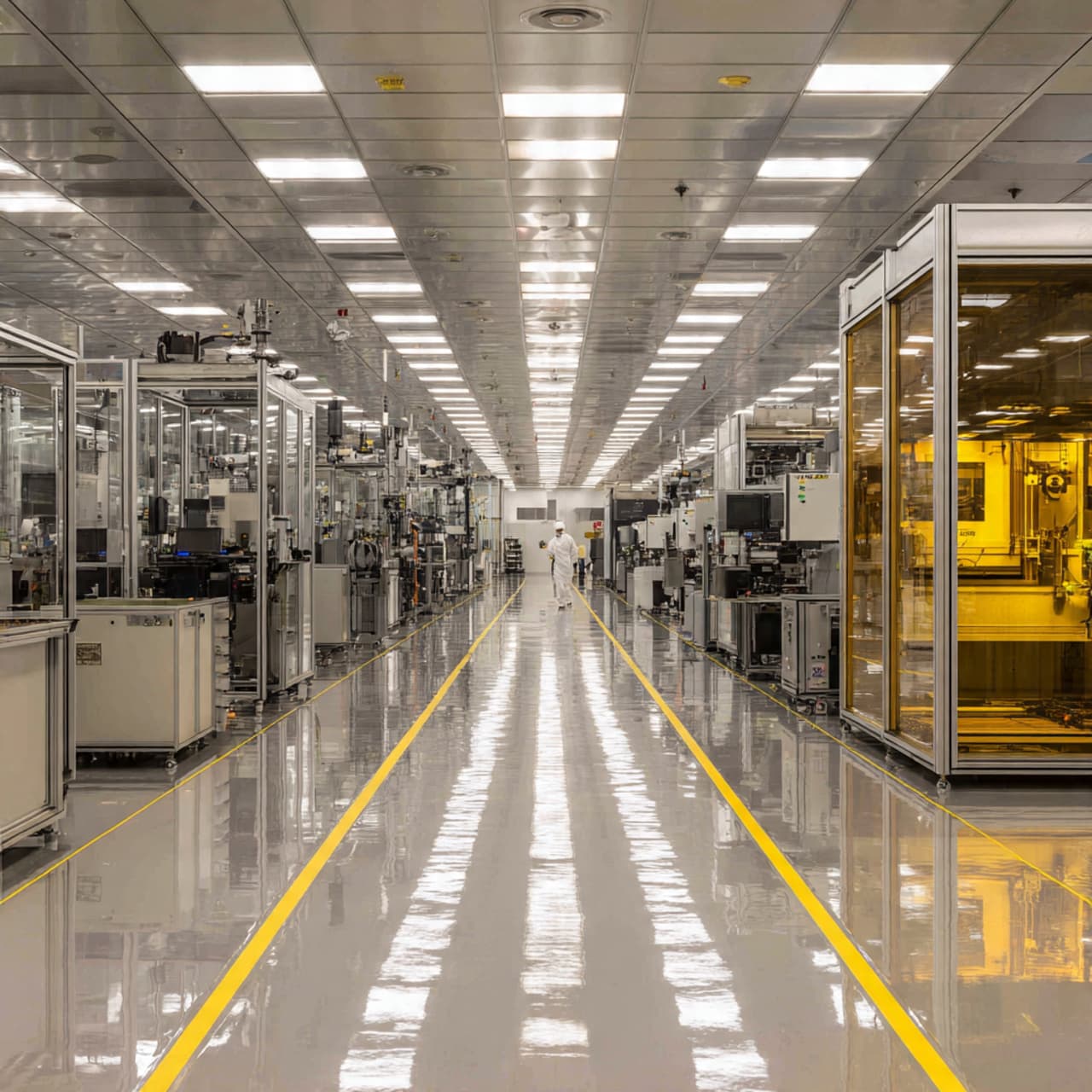
The modern world is built on something too small to see yet too powerful to ignore. Semiconductors, the tiny chips inside nearly every digital device, have become the foundation of global innovation. From smartphones and cars to data centers and artificial intelligence systems, these components quietly power the infrastructure of daily life. When the semiconductor sector experiences turbulence, the effects extend far beyond financial markets and into the broader rhythm of the global economy.
Recent market activity has shown just how sensitive the chip industry has become. A sharp selloff wiped more than one trillion dollars from total market value across major semiconductor companies. The scale of the decline reflects how deeply investor expectations are tied to the future of technology, particularly artificial intelligence and advanced computing.
For years, semiconductor firms benefited from strong demand driven by digital transformation. The expansion of cloud computing, AI development, and high-performance computing created unprecedented growth in chip production. However, markets often move in cycles, and periods of rapid expansion are frequently followed by adjustments as investors reassess valuations and future demand.
The selloff has raised questions about whether previous growth expectations were overly optimistic. While long-term demand for semiconductors remains strong, short-term volatility highlights the challenges of balancing innovation with market expectations. Investors are now evaluating whether supply expansion and pricing trends align with actual demand conditions.
Manufacturers within the semiconductor ecosystem are also feeling the impact. Companies involved in chip design, fabrication, and equipment supply are interconnected, meaning shifts in one area can influence the entire sector. Even minor changes in demand forecasts can create ripple effects across global supply chains.
The importance of semiconductors extends into nearly every industry. Automotive manufacturers rely on chips for vehicle systems, healthcare providers use advanced electronics for diagnostics, and cloud service providers depend on high-performance processors to run global data networks. As a result, changes in the semiconductor market often reflect broader technological and economic trends.
Energy consumption is another factor influencing the industry. Advanced chip production requires significant electricity and specialized manufacturing facilities. As companies expand capacity, they must also consider energy costs and sustainability goals, adding another layer of complexity to long-term planning.
Despite the recent downturn, analysts continue to emphasize the strategic importance of semiconductors in the global economy. Demand for computing power is expected to grow as artificial intelligence applications expand across industries. The current market correction is viewed by some as a recalibration rather than a long-term decline.
Financial markets remain attentive to future earnings reports and industry forecasts. Investors are closely watching whether semiconductor companies adjust production strategies or revise capital expenditure plans in response to shifting conditions.
For now, the semiconductor sector remains one of the most closely watched areas of the global economy. Its movements not only influence financial markets but also reflect the pace of technological progress shaping the modern world.
AI Image Disclaimer Graphics are AI-generated and intended for representation, not reality.
Sources: Reuters, Bloomberg, Financial Times, CNBC, Wall Street Journal
Published by Banx Network. This article is part of the Banx decentralized media programme, powered by the BXE token on the XRP Ledger.