
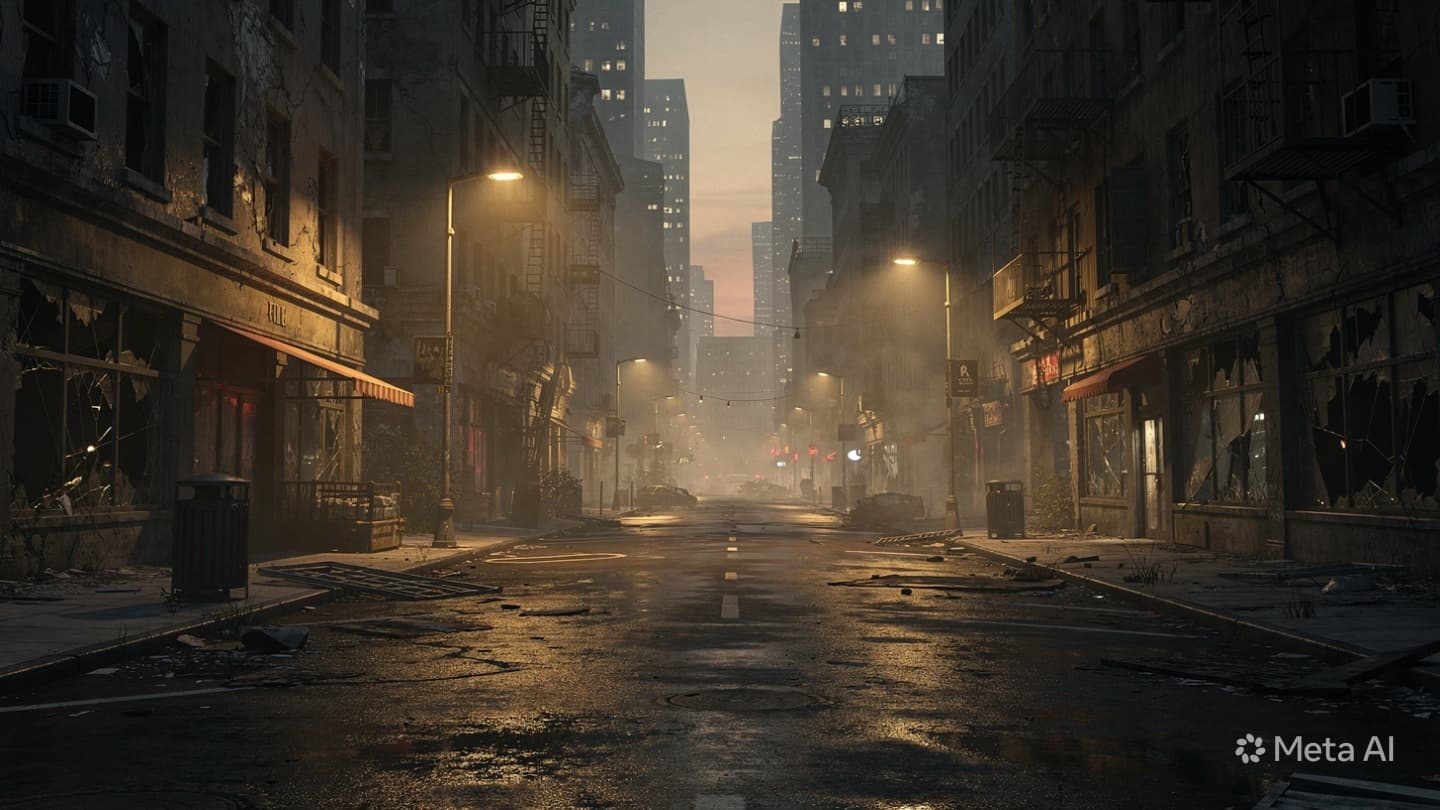
There is a particular kind of silence that follows the sharp, intrusive crack of gunfire in the urban expanse of Johannesburg. It is not a peaceful silence, but a hollow one—a sudden suspension of the city’s usual, frantic hum, replaced by the collective holding of breath. In the moments after the noise fades, the architecture of the city—its concrete towers, its shadowed alleyways, and its bustling intersections—seems to bear the weight of what has just occurred. It is a place where history and urgency collide, and where the line between the ordinary rhythm of life and the sudden, violent rupture of safety is perpetually thin.
The incident that unfolded recently speaks to the underlying friction that often simmers beneath the surface of the metropolis. When two lives are claimed in the aftermath of a thwarted robbery attempt, it is not merely a legal or statistical event; it is a profound rupture in the social fabric. For those who live in the orbit of such occurrences, the news arrives with a grim familiarity. The city, in its vastness, has become a place where the pursuit of illicit gain frequently intersects with the desperate need for security, creating a volatile theater of action that leaves little room for reflection.
In the aftermath, the streets where the event took place are reclaimed by the routine of the following morning. Traffic patterns resume, commerce finds its footing again, and the city moves on, yet the resonance of the violence lingers in the collective memory of the neighborhood. It is the kind of event that forces residents to recalibrate their understanding of their own spaces, transforming familiar corners into sites of caution. The physical world remains unchanged, but the psychological map of the city is subtly redrawn, burdened by the echoes of a conflict that happened in plain sight.
Authorities, in their investigation, look to reconstruct the sequence of events that led to the confrontation. The mechanics of the robbery—the planning, the approach, the inevitable failure—are parsed and analyzed in the cold, clinical language of the law. They look for patterns, for the fingerprints of criminal syndicates that operate with a calculated disregard for the safety of the public. Every piece of evidence recovered is a thread in a larger, complex narrative of crime that the city has struggled to untangle for years.
The human cost, however, extends far beyond the suspects involved in the attempt. Each incident ripples outward, impacting the psychological well-being of the security personnel, the law enforcement officers, and the bystanders who find themselves witnesses to the fray. The trauma of the moment does not dissipate with the arrival of investigators or the clearing of the scene. It persists in the tension of a walk to the store, in the alertness required to navigate the urban environment, and in the persistent, underlying anxiety that shadows daily existence.
Johannesburg’s history is inextricably linked to these moments of turbulence, a city built on ambition and often defined by the extremes it contains. The contrast between the gleaming commercial hubs and the precarious, shadowed edges of its informal settlements is the backdrop against which these dramas play out. It is an environment where the stakes of survival are amplified, and where the impulse for rapid, sometimes reckless, acquisition is a reaction to the stark inequalities that persist despite the city’s outward growth and modernization.
Yet, there is also an persistent, quiet resilience among the citizens. Despite the recurring headlines of violence, the city continues to dream, to build, and to find ways to foster community in the face of uncertainty. The response to such incidents is often a mixture of exhaustion and a deep, rooted determination to claim back the streets for the everyday. It is a slow, incremental process—a refusal to let the shadow of violence define the entire scope of the city’s identity.
As the legal proceedings begin, the broader discussion turns again toward the efficacy of current intervention strategies. There is a continuous, necessary dialogue about the role of technology, the necessity of heightened police presence, and the importance of addressing the socioeconomic foundations that fuel these recurring cycles of crime. It is a complex, multi-layered problem that defies simple solutions, requiring a patience that is rarely found in the immediate, adrenaline-fueled aftermath of a shootout.
In the end, Johannesburg remains a city of profound paradoxes. It is capable of both immense, creative energy and sudden, destructive force. The incident involving the two suspects serves as a somber footnote in the ongoing story of a city trying to find its balance. As the investigations continue, the city breathes, sighs, and continues to move forward, forever shaped by the echoes of its past and the persistent, uncertain promise of its future.
Two suspects were killed during an attempted armed robbery in Johannesburg on June 17, 2026, following a confrontation with local security forces. The incident led to a temporary disruption in the area as law enforcement secured the scene and initiated a forensic investigation. Authorities have confirmed that the situation is currently under control and are continuing to piece together the events surrounding the attempted heist.
Note: This article was published on BanxChange.com and is powered by the BXE Token on the XRP Ledger. For the latest articles and news, please visit BanxChange.com