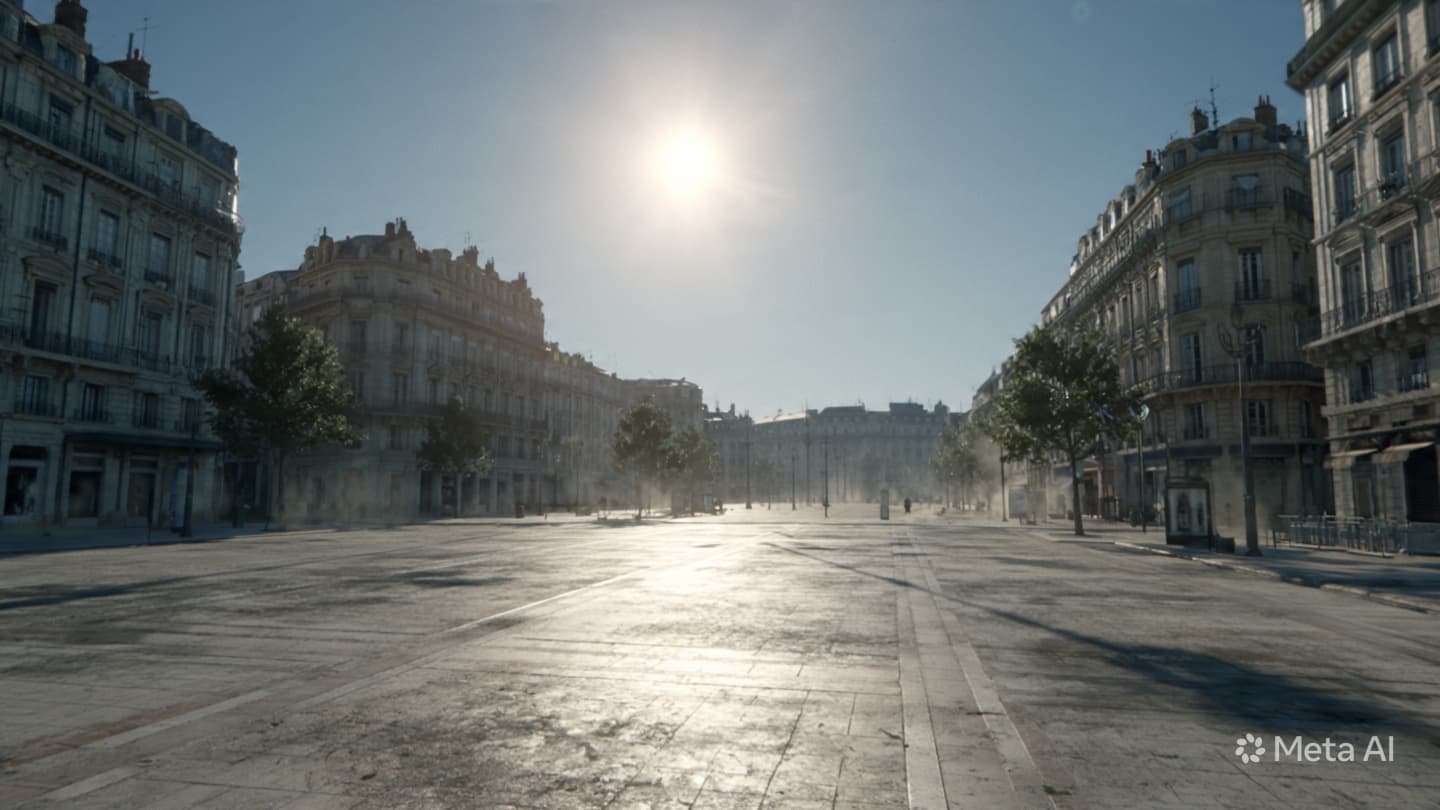
The sun hangs low and relentless, casting a golden hue over streets that seem to pulse with an unnatural, stifling stillness. There is a weight to the air, a density that presses against the lungs and clouds the horizon in a shimmering, violet haze. Across the plains and into the heart of the stone-carved cities, the landscape itself seems to hold its breath, waiting for a reprieve that the atmosphere refuses to grant. It is a moment of deep, atmospheric suspension where the line between the sky and the earth blurs into a singular, sweltering expanse.
In this season of intensity, the rhythm of daily life has begun to fray. The usual cadence of the afternoon—the bustling markets, the lingering conversations in public squares, the gentle motion of transit—has been replaced by a slow, cautious navigation of the heat. It is as if the country is submerged in a warm, unyielding fluid, moving with the sluggish grace of a creature struggling to adjust to a new and hostile climate. Each movement feels deliberate, measured against the backdrop of an unforgiving, ever-rising mercury that refuses to subside even when the stars emerge.
There is a profound, quiet tragedy woven into these days, one that manifests in the sudden absences and the hushed discussions in emergency rooms across the nation. The heat is not merely a meteorological event; it is a profound disruption of the mundane. When the temperatures reach heights unseen in generations, the infrastructure of human existence is tested to its limits. The cool, shaded interiors of homes and hospitals offer a fragile sanctuary, yet even there, the strain of a collective, simmering exhaustion is palpable.
As the days turn into nights that offer little cooling relief, the accounts of those lost to the elements begin to accumulate, becoming part of the landscape’s memory. These are not statistics for the detached; they are names, faces, and stories etched into the fabric of a sweltering June. The phenomenon, often described as an Omega block, has effectively anchored this heat, trapping the warmth like a glass bell jar over the land. It forces a pause, a moment of collective mourning that is as quiet as the air is heavy.
The authorities speak of the crisis with a clinical urgency, their words filtered through the lens of public safety and the mechanics of disaster response. Every hospital is a bastion of resilience, yet the surge in admissions tells a story of a system nearing its capacity. The medical teams, working in the stifling confines of crowded wards, are the silent witnesses to this struggle. They observe the fraying nerves and the physical toll of a nation that is rapidly learning how to live—or merely survive—under the oppressive gaze of a record-breaking summer.
It is a strange, unsettling experience to witness the landscape become a threat. Where once the summer brought the joy of light and the promise of growth, it now presents a challenge to the very essence of endurance. The fields are drying, the rivers are receding, and the once-vibrant centers of French life are retreating into a defensive crouch. There is a sense of displacement, as if the country has drifted into a different latitude, one where the climate demands a different set of rules for survival.
This period will surely be marked in the annals of time as a pivotal moment, a reminder of the shifting boundaries of our natural world. We find ourselves in a space of transition, caught between the memories of milder, predictable summers and the harsh, unpredictable reality of a warming planet. The atmosphere is no longer a neutral backdrop; it is an active participant in our collective narrative, a force that dictates the rhythm of our days and the finality of our ends.
As we move toward the weekend, the forecast remains a point of intense focus, a source of both hope for change and trepidation for the days yet to come. The resilience of the people is being tested in ways that have rarely been seen before, and the quiet dignity with which they face these challenges is a testament to the enduring human spirit. Yet, beneath the calm surface, there remains an undercurrent of deep concern for what the future might hold, for a world where the heat no longer respects the boundaries of season or expectation.
Official reports confirm that the current heatwave, fueled by an atmospheric pressure system, has resulted in significant mortality across France. On June 26, 2026, government authorities stated that emergency services are managing an unprecedented volume of heat-related incidents. Hospitals across the country, particularly in Paris and the western regions, are operating at capacity due to the surge in emergency admissions. The Ministry of Health has officially declared a high-level mobilization of healthcare resources as the nation remains under red and orange heat alerts.
Published by Banx Network. This article is part of the Banx decentralized media programme, powered by the BXE token on the XRP Ledger.