
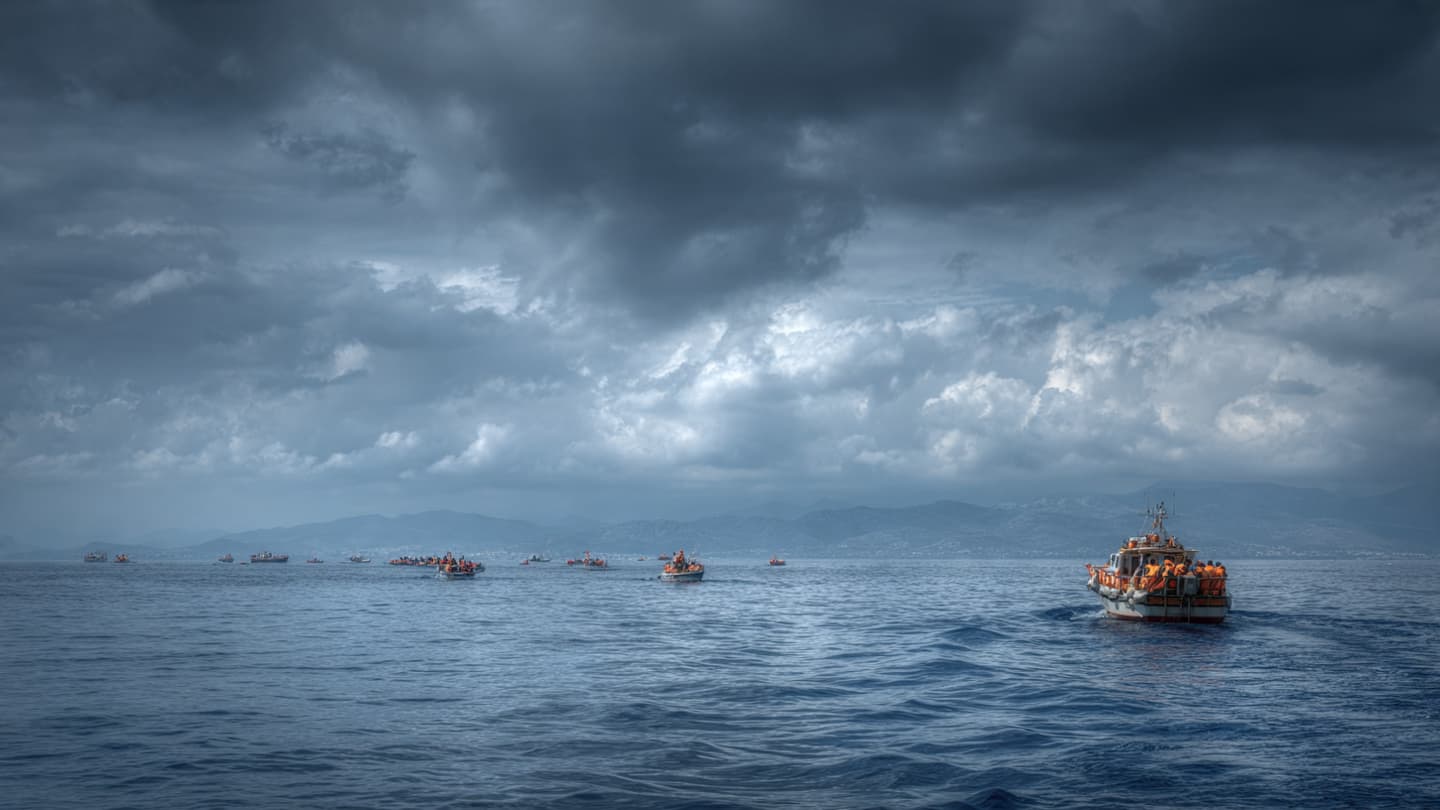
The sea has long carried both vessels and convictions, a moving horizon where political messages often travel alongside humanitarian intent. In the waters near the , another such journey has unfolded as activists involved in a Gaza-bound flotilla face deportation proceedings from , amid growing international attention to their treatment and detention conditions.
The flotilla, organized by international activist groups, was part of broader efforts to draw attention to the humanitarian situation in the . Israeli authorities have previously intercepted similar maritime missions, citing security restrictions and longstanding blockades in the region.
According to reports from officials and monitoring organizations, activists were taken into custody after their vessels were intercepted at sea. Deportation procedures have since been initiated, though legal representatives and advocacy groups have raised concerns regarding access to counsel and detention conditions during processing.
Public reaction has been divided across international forums. Supporters of the flotilla describe the mission as symbolic humanitarian advocacy, while critics argue that such maritime efforts risk escalating tensions and bypass established diplomatic or aid channels.
Human rights organizations have called for transparency in how detainees are treated, emphasizing the importance of international legal standards during deportation processes. Israeli officials, meanwhile, maintain that procedures follow domestic law and established security protocols.
The incident also reflects a recurring pattern in activism involving maritime routes to Gaza, where symbolic voyages often intersect with complex geopolitical realities. Each such mission tends to renew debate over access, blockade policies, and the limits of civil protest at sea.
Observers in and beyond continue to monitor diplomatic responses, particularly as public discourse increasingly centers on humanitarian access and freedom of movement in conflict-affected zones.
As deportation proceedings move forward, the situation remains part of a broader, ongoing conversation about how states, activists, and international institutions navigate contested waters both literally and politically.
AI Image Disclaimer: Images used in this article are AI-generated to illustrate maritime activism and coastal geopolitical settings in a neutral documentary style.
Sources: Reuters, BBC, Al Jazeera, Associated Press, The Guardian
Note: This article was published on BanxChange.com and is powered by the BXE Token on the XRP Ledger. For the latest articles and news, please visit BanxChange.com