
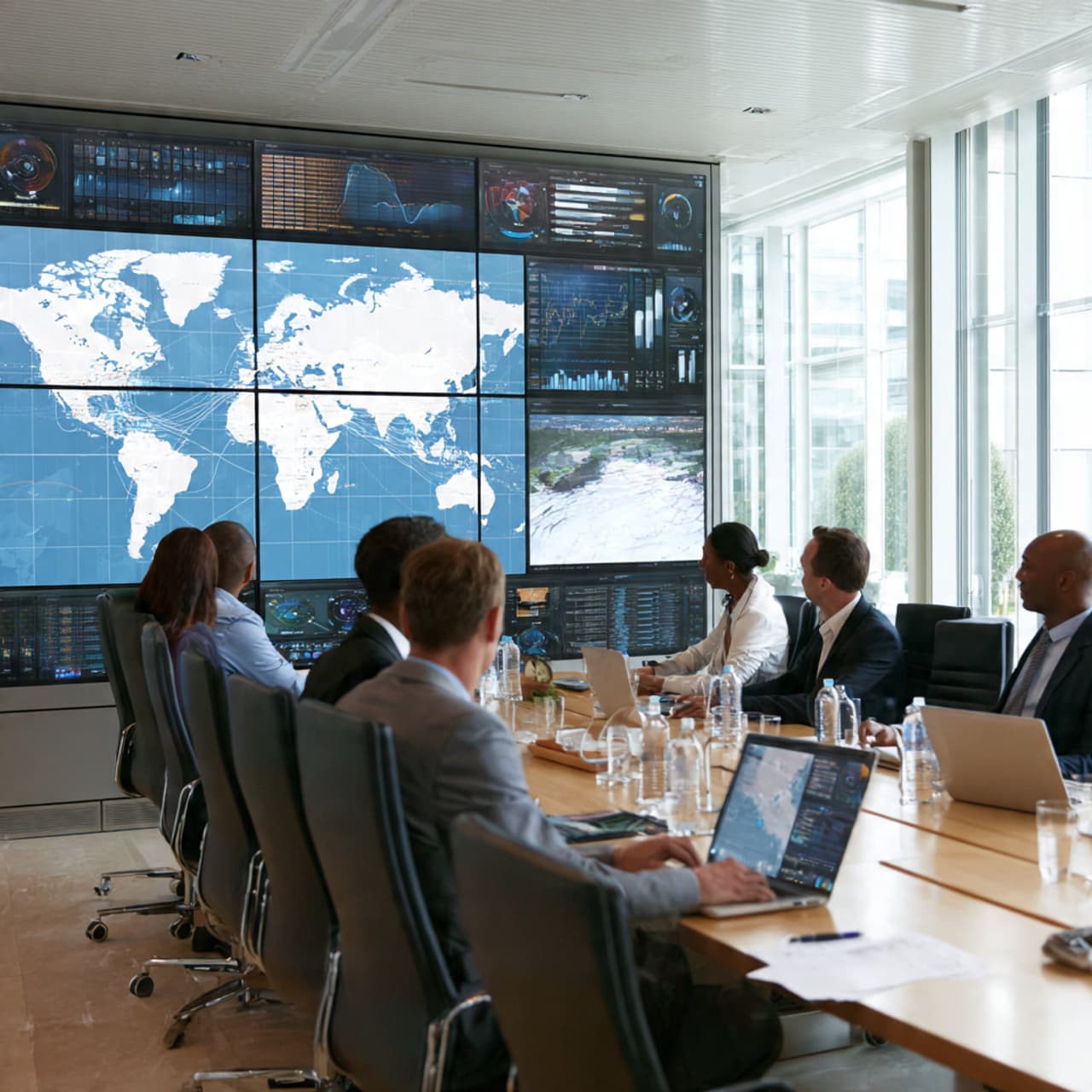
The movement of global commerce is often compared to the flow of a river, steady and continuous, carrying goods, resources, and opportunities from one destination to another. Across oceans and continents, cargo vessels connect producers with consumers and manufacturers with markets. Yet even the most established trade networks occasionally encounter moments of uncertainty that require careful navigation. Recent developments surrounding the Strait of Hormuz have created one such moment, encouraging shipping companies around the world to reassess routes and operational strategies.
For decades, the Strait of Hormuz has remained one of the most important maritime corridors in international trade. The waterway serves as a critical passage for energy exports and commercial cargo traveling between the Middle East and global markets. Because of its strategic location, any concerns regarding security or transportation reliability immediately attract attention from the shipping industry.
Shipping firms are responding by closely monitoring conditions and evaluating contingency plans. Some operators have increased route assessments, while others are reviewing schedules and risk-management procedures. These actions are not necessarily indications of disruption but rather examples of precautionary planning designed to maintain operational continuity in changing circumstances.
The shipping industry depends heavily on predictability. Vessel schedules are often coordinated months in advance, connecting ports, warehouses, rail networks, and distribution centers across multiple countries. When uncertainty emerges in a major transit corridor, even small adjustments can influence broader logistics operations.
Insurance costs have become another important consideration. Maritime insurers frequently reassess risk levels in response to geopolitical developments, and changes in insurance premiums can affect overall transportation expenses. For shipping companies operating large fleets, these costs represent a significant factor in planning and budgeting decisions.
Global trade networks remain highly interconnected. A delay affecting one route may influence delivery schedules elsewhere as shipping companies reorganize vessel movements and cargo allocations. While modern logistics systems are increasingly sophisticated, major maritime corridors still play a central role in ensuring efficient global commerce.
Manufacturers and retailers are watching developments closely. Many businesses rely on international supply chains that depend upon reliable shipping services. Delays, route changes, or higher transportation costs can affect inventory management and purchasing decisions. As a result, companies are maintaining close communication with logistics partners to ensure flexibility when conditions change.
Technology has improved the industry's ability to respond. Real-time tracking systems, predictive analytics, and advanced route-planning software allow operators to evaluate risks and make adjustments more quickly than in previous decades. These tools help reduce uncertainty while supporting more informed decision-making.
Industry analysts note that global shipping has demonstrated resilience through numerous challenges in recent years, including pandemic-related disruptions, port congestion, and supply-chain bottlenecks. The experience gained from those events has encouraged companies to strengthen contingency planning and diversify logistical options where possible.
For now, shipping companies continue adapting to evolving conditions while prioritizing safety, efficiency, and reliability. The situation surrounding the Strait of Hormuz serves as a reminder of how important maritime corridors remain to the global economy. As vessels continue carrying goods across oceans and continents, the ability to navigate uncertainty remains one of the industry's most valuable strengths.
AI Image Disclaimer
Graphics are AI-generated and intended for representation, not reality.
Sources
Reuters Bloomberg Financial Times CNBC Lloyd's List
Published by Banx Network. This article is part of the Banx decentralized media programme, powered by the BXE token on the XRP Ledger.


