
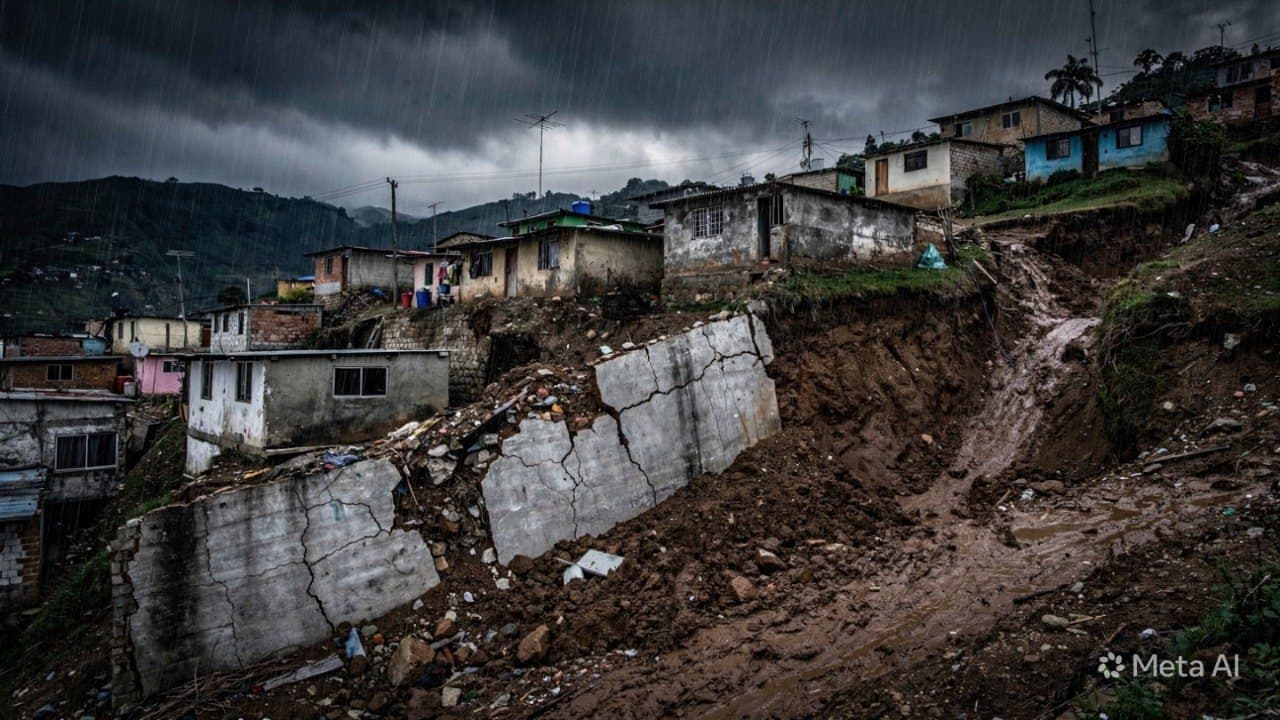
The department of Colón, stretching along the fertile northern expanses of Honduras, is a region characterized by its breathtaking ecological wealth, dense palm plantations, and the sweeping, historical valleys of the Aguán River basin. In this frontier landscape, the soil is not merely a resource; it is the absolute foundation of identity, survival, and historical memory for both indigenous communities and smallholder farmer cooperatives. Life here has long been shaped by a deep, symbiotic connection to the land, where the daily routines of cultivating crops and protecting native watersheds are passed down through generations. Yet, this rich agrarian fabric is also home to one of the most enduring, volatile property conflicts in Central America.
To stand as a defender of ancestral land rights within these northern corridors is to inhabit a space of constant, heavy surveillance and profound personal risk. For decades, the boundaries between collective indigenous holdings, peasant cooperatives, and large-scale commercial agricultural estates have been fiercely contested, frequently blurring the line between legal title and physical force. Those who choose to vocalize community claims or resist the encroachment of external corporate interests find themselves elevated to positions of involuntary leadership, becoming the visible targets of those who operate with impunity from the shadows of the local economy.
The severe precarity of this advocacy was illustrated with alarming clarity this week, when a prominent local human rights defender received direct, armed threats following an escalating dispute over ancestral land boundaries in Colón. The intimidation was not an isolated outburst of rural friction, but a calculated demonstration of presence designed to silence collective organizing and force a retreat from ongoing legal reclamations. The incident unfolded with a quiet, menacing precision, serving as a stark reminder that in the deeper interior, the assertion of constitutional rights frequently collides with the unwritten rule of the gun.
The mechanics of this rural intimidation operate through a sophisticated network of private security apparatuses, localized political alliances, and criminal syndicates that work in concert to suppress agrarian activism. When a defender receives a threat, it sends an immediate, chilling ripple through the entire community, causing families to restrict their movements and question the viability of their resistance. The psychological toll of living under the constant anticipation of violence is immense, forcing leaders to navigate their daily routines with a vigilance that shapes every choice, from the paths they walk to the meetings they attend.
Inside the rustic communal halls where the local land committees gather, an atmosphere of defiant solemnity prevails as members assess the immediate danger facing their leadership. The conversations, conducted against the backdrop of rustling palm leaves and the distant call of coastal birds, focus on the immediate necessity of securing international visibility and activating emergency protection protocols. There is a profound understanding that the threats directed at an individual are fundamentally an assault on the collective sovereignty of the entire community, designed to fracture their unity before their claims can be formalized in court.
The problem in Colón is deeply rooted in a historical legacy of land agrarian reform failures, where state institutions have repeatedly proven unable or unwilling to enforce legal protections for marginalized communities against powerful economic actors. Human rights observers point out that the region has become one of the deadliest environments in the world for environmental and land defenders, with dozens of assassinations remaining unsolved due to structural impunity. This persistent lack of accountability creates a fertile ground for continued aggression, allowing those who employ violence to view intimidation as a cost-effective method of territorial control.
Furthermore, the militarization of regional security has often exacerbated rather than mitigated the vulnerabilities of local populations, as state forces are frequently perceived as protecting commercial assets rather than safeguarding human rights. When a community leader is threatened, the lack of an immediate, neutral institutional response leaves the population feeling profoundly abandoned to the whims of private enforcers.
In direct response to the escalating threats, several continental human rights organizations have called upon the Honduran state to immediately implement robust precautionary measures to guarantee the physical integrity of the threatened defender and their immediate family in Colón. The National Human Rights Commissioner’s office announced that a special investigation has been opened into the incident, though local leaders remain skeptical of administrative promises unaccompanied by a physical change on the ground. International observer delegations have increased their virtual presence in the sector to monitor the unfolding situation and deter further armed incursions. Meanwhile, the community continues its quiet vigil over the soil, their resolve as deeply rooted as the ancient forests they defend.
Note: This article was published on BanxChange.com and is powered by the BXE Token on the XRP Ledger. For the latest articles and news, please visit BanxChange.com