
The northern winds have long carried whispers of unease, but as the seasons shift, those unsettling currents have drifted further south, settling heavily over the fields and quiet paths of Nampula Province. There is a specific kind of stillness that precedes the disruption of a community, a moment where the ordinary rhythms of daily life—the tending of crops, the gathering of water—are suddenly suspended by the encroaching reality of distant discord. For those who watch the horizon, the landscape no longer represents mere earth and sky, but rather a map of shifting safety and sudden departures.
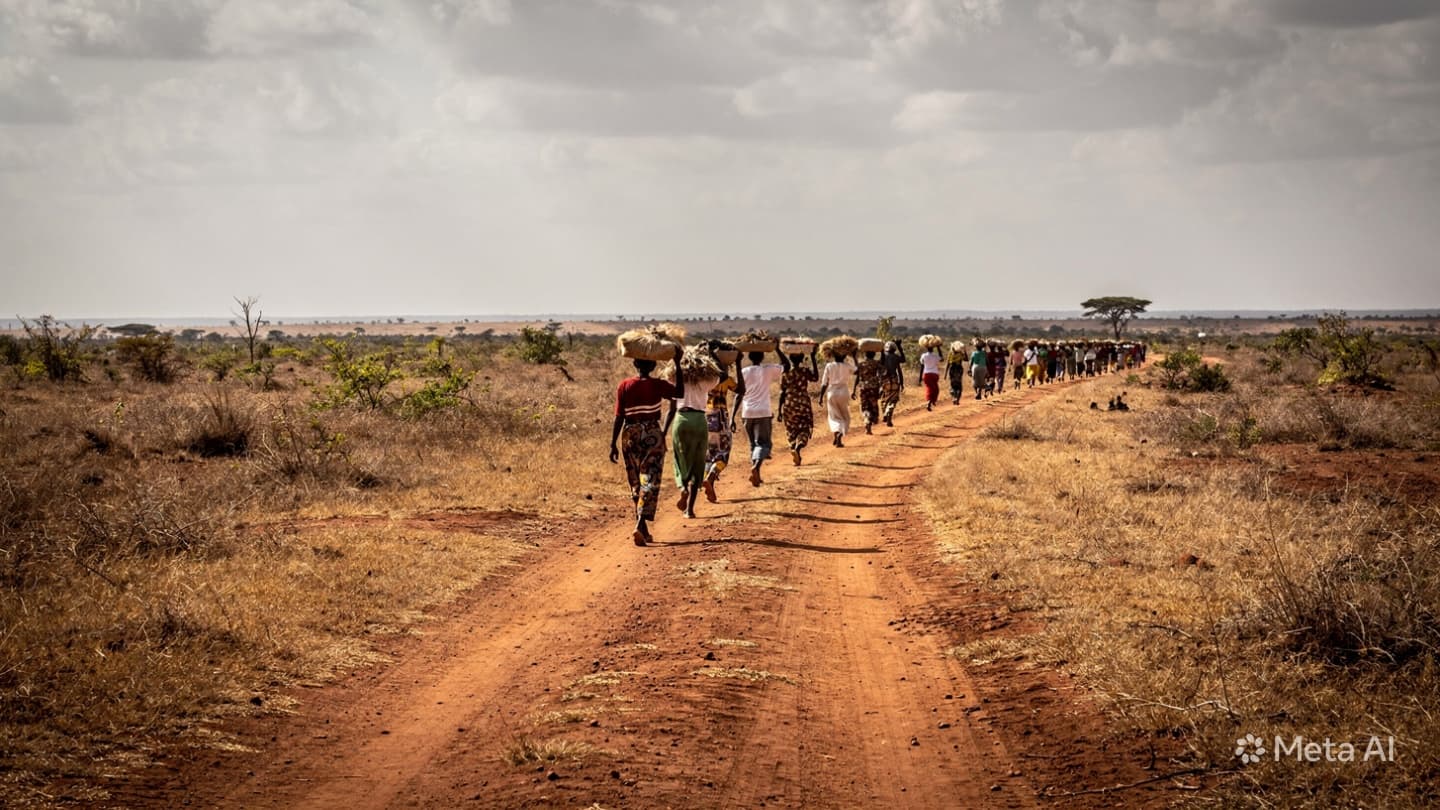
To watch a community uproot itself is to witness history fracturing in real time, away from the grand declarations of distant capitals. The paths leading away from the northern borders are now worn deep by the footsteps of families carrying what little remains of their lives on their shoulders. There is no haste in these movements, only the heavy, rhythmic stride of those who understand that the journey ahead is long and the destination entirely unknown.
As the numbers of those seeking refuge swell into the tens of thousands, the very fabric of the host communities begins to stretch, testing the quiet resilience of a region unaccustomed to such burdens. The local markets, once vibrant spaces of simple commerce and loud laughter, now carry a subdued tone as resources grow thin and the shared anxiety of the future settles over vendors and newcomers alike. Every spare patch of earth under the shade of ancient trees becomes a temporary home, a fragile sanctuary constructed of canvas, wood, and hope.
The quiet crisis unfolding here does not always announce itself with loud alarms, but rather manifests in the slow, grinding reality of hunger, exhaustion, and the profound loss of familiarity. Children sit on the edges of unfamiliar clearings, their games interrupted by the adult gravity of their surroundings, watching the horizon with eyes that have seen too much transition in too short a span. The older generation sits nearby, hands resting on knees that have traveled too many miles, speaking in low tones of the homes left behind to the mercy of the elements and empty streets.
Water, once a simple element of daily sustenance, becomes a precious currency as wells designed for dozens are suddenly asked to quench the thirst of hundreds. The queues form before the sun has cleared the horizon, long lines of plastic jerrycans tracing the contours of the earth like colorful, silent sentinels. In these lines, there is little conversation, only the shared understanding of a common plight that requires no translation or explanation.
The humanitarian response, though persistent, often feels like a modest gathering of leaves against a rising tide, striving to meet the immediate, physical demands of a population stripped of its anchors. Temporary clinics, housed under simple tarpaulins, attempt to address the physical ailments born of long journeys and poor shelter, the dedicated staff working beneath the constant hum of insects and the soft murmurs of waiting patients.
Yet, beyond the immediate physical needs lies a deeper, quieter ache—the profound disorientation of a people separated from the lands that defined their ancestry and their livelihood. A farmer without soil is a storyteller without a voice, and across Nampula, thousands of skilled hands now sit idle, folded in laps as the season for planting passes by without them. This enforced idleness is perhaps the heaviest burden of all, a daily reminder of a life paused and a future held hostage by forces beyond individual control.
As evening falls over the temporary settlements, the smoke from hundreds of small cooking fires rises into the darkening sky, blending into a singular, hazy canopy that hangs low over the landscape. These fires, fueled by whatever scraps of wood could be gathered from the surrounding bush, offer a fragile warmth and a brief semblance of domesticity in an otherwise alien environment.
In the final analysis, the situation remains fluid and deeply concerning as regional entities struggle to manage the influx. According to international observers, the expansion of the conflict zone has placed an unprecedented strain on local infrastructure, requiring a coordinated international response to prevent further degradation of living conditions. Security assessments suggest that without stabilized borders, the movement of displaced persons will likely continue to challenge regional stability for the foreseeable future.
Note: This article was published on BanxChange.com and is powered by the BXE Token on the XRP Ledger. For the latest articles and news, please visit BanxChange.com