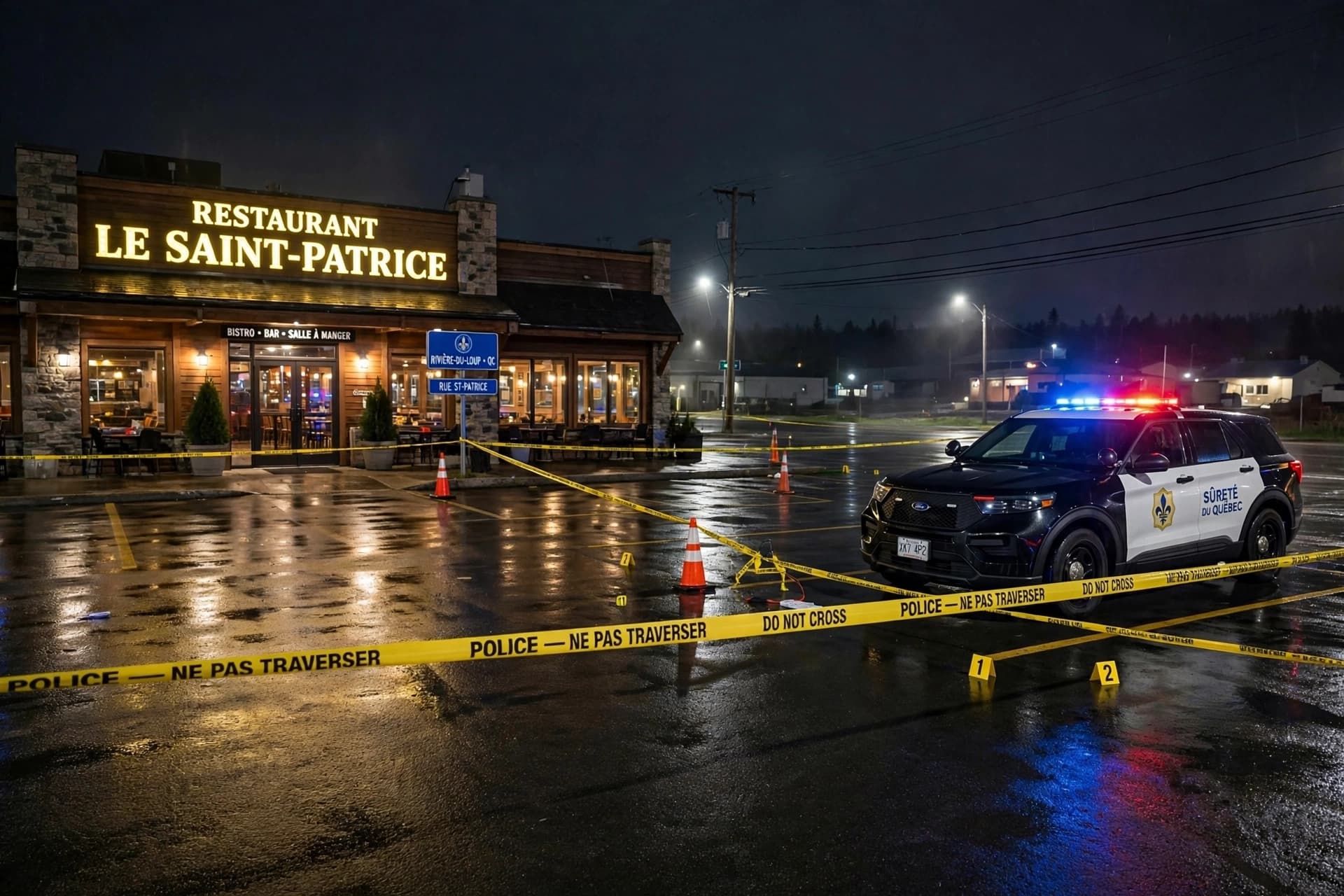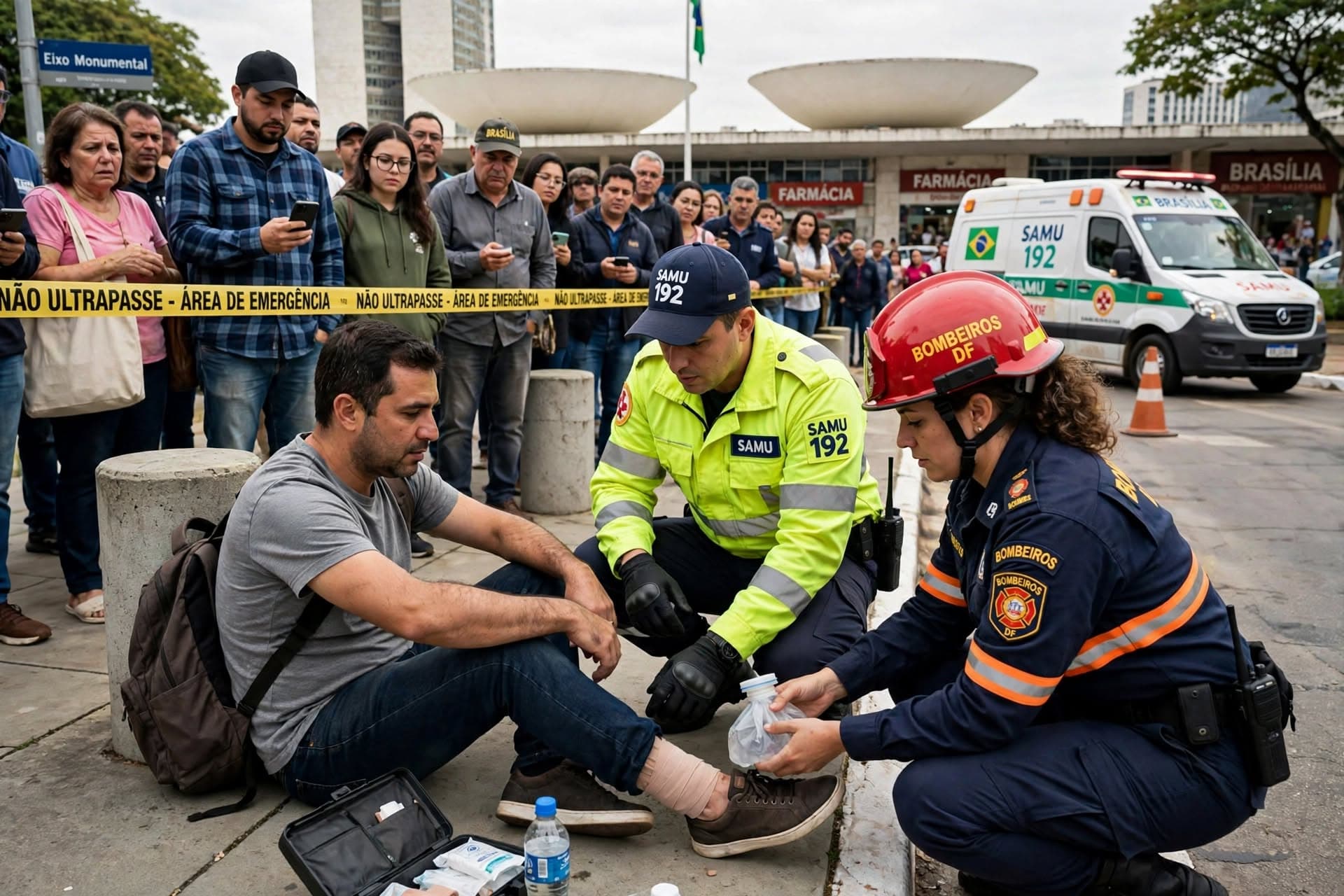
The quiet hum of commerce often masks the subtle, predatory movements of those who operate in the margins. It is a world defined not by noise, but by the patient observation of human patterns. In the mundane rhythm of a parking lot or the predictable flow of a banking transaction, there exists a vulnerability that some choose to exploit with surgical precision. This is not a story of sudden violence, but one of calculated intent, where time and motion are measured against the hope of a quick, unseen gain.
As investigators peel back the layers of these operations, they find a structure that mirrors legitimate business in its organization. There is surveillance, there is the division of labor, and there is the cold, detached efficiency of the executor. The tools they use—often simple and effective—are chosen to bypass the peripheral vision of the everyday passerby. It is a silent choreography of theft that relies on the public’s inherent trust in their surroundings, turning routine into an opportunity for exploitation.
The recent dismantling of a syndicate in South Sumatra serves as a stark reminder of these hidden currents. By observing the movements of banking customers, the perpetrators identified a window—both literal and metaphorical—where the weight of currency became a liability. The process was swift, leaving the victim in the wake of a shattered window and the sudden, jarring realization of loss. It is a reminder that in the space between our daily habits and our attention, shadows can take root.
For law enforcement, the challenge lies in shifting from reactive measures to a deeper, more systemic understanding of these networks. When an arrest is made, it is rarely the end of the story; it is merely the point where the thread becomes visible. Investigators track the flow of illicit funds, the digital footprints left behind, and the complex web of individuals who provide the infrastructure for such crimes. Each piece of evidence—a discarded garment or a shared communication—is a fragment of a larger, darker narrative.
The reach of these groups is not limited by geography, as seen in the broader fight against sophisticated scams that transcend borders. When technology is integrated into the model, the scale of the deception expands, yet the core mechanics remain rooted in the exploitation of human emotion. The promise of romantic connection or the allure of a high-value gift becomes a bridge that leads the unsuspecting into a carefully constructed trap. It is a digital expansion of the same predatory instinct that has always existed.
In every case, the recovery is a process of restoration—not just of funds, but of the sense of security that was briefly held hostage. The work involves coordination across agencies, the meticulous tracing of accounts, and the public warnings that act as a thin barrier against future harm. It is a slow, steady effort to recalibrate the balance of trust, ensuring that the spaces where we live and transact are not surrendered to those who operate in the dark.
As legal proceedings begin, the spotlight moves from the act to the accountability. The charges brought against the perpetrators are the final mechanism in a long cycle of investigation, serving as a boundary line drawn against the erosion of public order. For the victims, the resolution offers a quiet sense of closure, though the experience of being targeted leaves an indelible mark on their perception of the world around them.
In this delicate dance between the law and those who seek to circumvent it, the narrative is one of constant evolution. As one syndicate is dismantled and its members are brought to account, the lessons learned inform the next chapter of vigilance. It is a necessary, albeit somber, reflection on the fragility of our systems and the tireless, often unseen, efforts required to keep the shadows from encroaching further into the light of our daily lives.
Published by Banx Network. This article is part of the Banx decentralized media programme, powered by the BXE token on the XRP Ledger.