
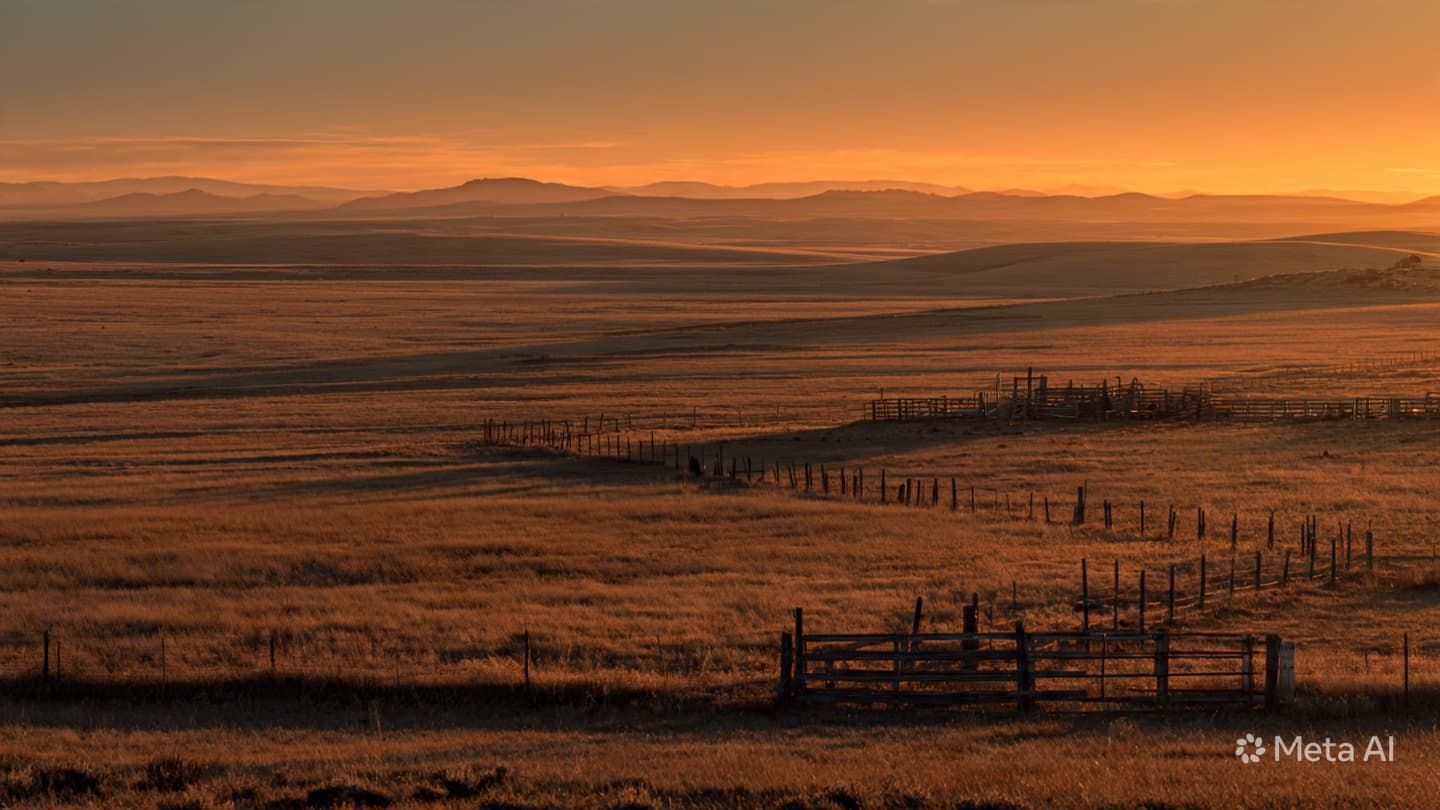
The landscape of the Amambay region is defined by its sprawling rangelands, where the horizon stretches wide and the rhythms of life are dictated by the seasonal needs of the cattle industry. It is a world that commands a certain rugged independence, a place where families have built their legacy upon the fertile soil of the northern frontier. Yet, this isolation can also provide a veil for the intrusion of external forces. The execution-style shooting of a prominent rancher is a rupture in the fabric of this life, a chilling demonstration that even in the most remote outposts, the violence of the wider world can penetrate with devastating precision.
To speak of an execution is to confront the terrifying efficiency of targeted malice. It strips away the pretense of random misfortune and forces us to look at the darker currents that flow through our rural borderlands. The loss of a leader in the cattle community is not merely the end of an individual life; it is a signal of shifting power and the emergence of threats that transcend the traditional boundaries of regional commerce. For the families who dwell here, it is a moment that shatters the assumption of safety that has long defined their relationship with the land.
One must reflect on the climate that allows such brazen acts to occur. The borderland is a complex space, where the intersection of industry and illicit activity creates a volatile environment. When that volatility finds its target, the shock is compounded by the realization that such violence is a calculated endeavor. It is a sobering observation that forces us to question the state of security in our most vulnerable regions and the effectiveness of our efforts to maintain the rule of law against the encroaching influence of criminal elements.
The investigation into this killing is now a priority for regional authorities. Forensic teams and detectives are tasked with deciphering the sequence of events that led to the shooting, searching for the threads that connect the act to the broader shadows of the border. It is a necessary, albeit clinical, response to a crime that is deeply personal in its execution and expansive in its implications. For the community, the progress of this inquiry is a measure of the state’s commitment to justice and its ability to protect those who contribute to the regional economy.
In the aftermath, the Amambay region is left to process a new reality. The grief is heavy, but it is also tempered by a sense of urgency—a demand for answers and a collective hope for a return to a landscape where one’s contribution to the land is not a liability. As the community gathers to mourn, the reflection remains focused on the sanctity of life and the need to preserve the character of the rangelands against the tide of violence that threatens to wash over them.
As we look toward the horizon, the hope is for a strengthened framework of protection for the agricultural sector. The cattle rancher, a figure of significance in the community, leaves behind a legacy that now must be honored through the pursuit of truth and the preservation of regional order. It is a difficult path, but one that is essential for the future of all who call the borderland home, ensuring that the work of the plains can continue without the constant, looming shadow of fear.
Paraguay’s national police have mobilized a task force to investigate the assassination in Amambay. Officials stated that evidence collected at the scene suggests a high level of planning, indicating a professional operation. The authorities have increased security patrols across the border region and are working closely with regional intelligence to identify potential suspects. The investigation is ongoing, and the prosecutor’s office has emphasized that they are exploring all potential motives related to the rancher's business interests and regional disputes.
Note: This article was published on BanxChange.com and is powered by the BXE Token on the XRP Ledger. For the latest articles and news, please visit BanxChange.com