
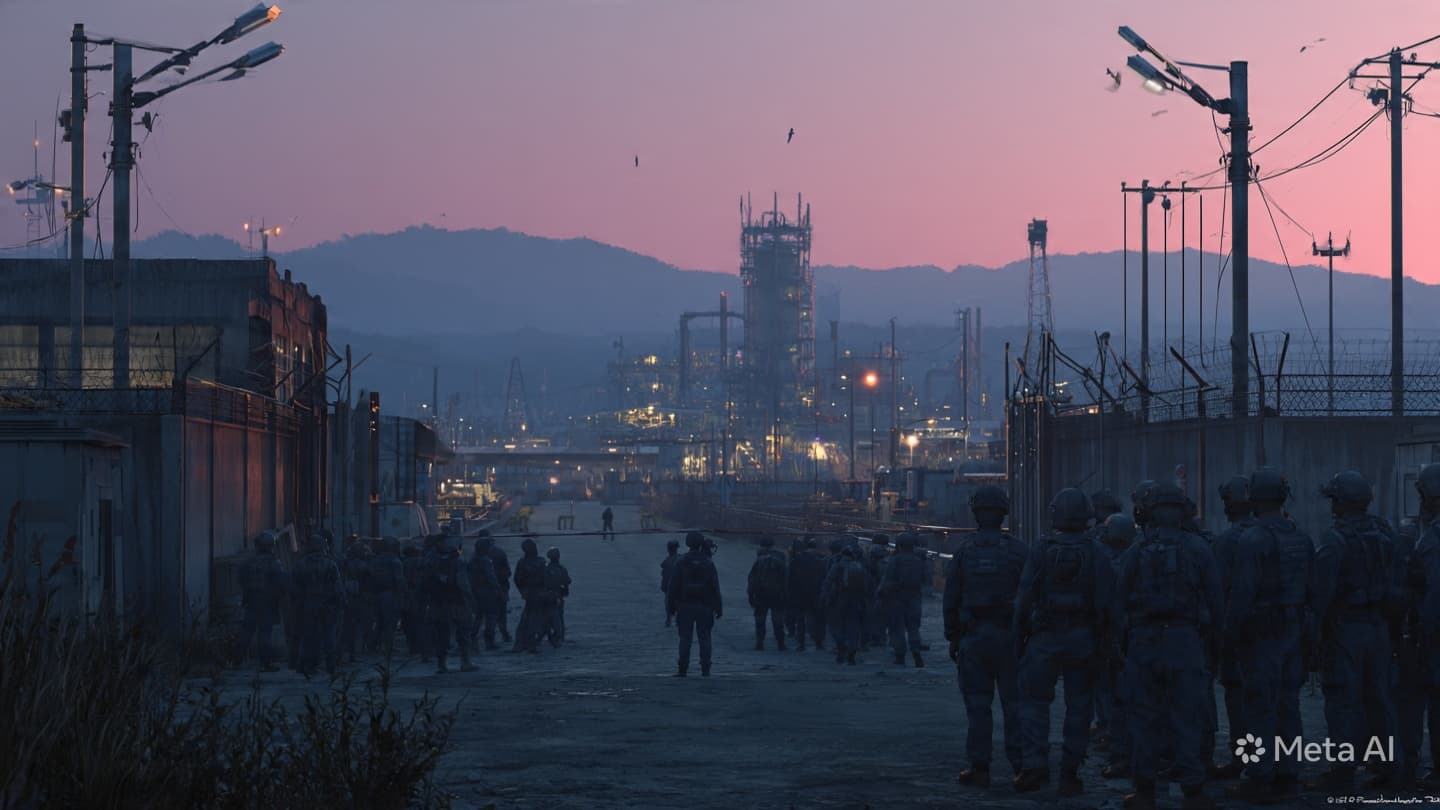
The city’s pulse is often dictated by the movements we see—the commuters on the train, the bustling activity of the market, the rhythmic flow of daily commerce. Yet, beneath this visible surface exists a secondary, shadow geography of interconnected networks that operate in the dark recesses of the legal world. When an elite police unit moves to dismantle a major drug trafficking ring, the event is more than just a series of arrests; it is a profound disruption of a hidden, systemic architecture that has been quietly influencing the city’s margins.
There is a sense of deliberate, quiet grace in the way these elite units operate. Their work is the culmination of months of patient observation—of tracking transactions, mapping relationships, and waiting for the moment when the fragile web of the network can be intercepted. When the strike finally occurs, the sudden transition from shadow to exposure is stark. It is a moment where the anonymity of the criminal enterprise is stripped away, revealing the human faces behind the machinery of illicit trade.
The individuals detained are not merely figures in a report; they are the nodes of a system that has been systematically disassembled. For those who watch from the periphery, the sight of this dismantling is a reminder of the constant, often invisible tension between the rule of law and the forces that seek to operate beyond it. It is an editorial reflection on the necessity of vigilance, and the recognition that the stability of our public life is underpinned by the persistent, often unacknowledged work of those who guard our gates.
The atmosphere at the scene of such an operation is one of high-tension quiet. Every movement is a calculated step in a broader strategy, a precise application of force and intelligence. As the elite units secure the individuals and the evidence, they act as the stabilizers of our social order, asserting that even the most complex and secretive networks are not immune to the scrutiny and the consequences of the law. There is a strange, somber reverence in this work, as the intricate web of the organization is painstakingly unspooled.
Following the dismantling, the focus shifts to the long-term impact on the community. The removal of such a network creates a temporary vacuum, a shift in the local ecosystem of trade and influence. It is a moment for the city to pause and consider the conditions that allow these networks to flourish, and to contemplate the resilience of the structures we rely on to prevent the encroachment of illicit activity into the heart of our public spaces.
The investigation into the trafficking network will continue, a long, meticulous process of analysis and prosecution. Yet, the impact of the dismantling is immediate and felt. It is a restoration of a sense of order, a re-assertion of the baseline of our collective safety. It is a moment of deep, reflective pause, where we recognize that the safety we take for granted is not a given, but a condition that must be actively maintained through the dedication of those who walk in the shadows to keep our streets clear.
As the detainees are processed and the investigation transitions into the legal phase, the city attempts to reconcile this interruption with the ongoing, daily rhythm of life. The network, once a potent force in the underworld, now stands as a dismantled entity, its threads severed by the precision of the police operation. It is a sobering conclusion to a period of heightened vigilance, leaving the community to find its way forward from the disruption.
Ultimately, the elite operation serves as a reminder that the world is more interconnected, and more vulnerable to clandestine pressures, than we might wish to believe. The work of dismantling these rings is a constant, steady process, one that requires a vigilant and reflective approach to ensure that the law keeps pace with the shadows. It is a necessary endeavor, affirming the integrity of the structures that allow for safe, predictable interaction within our cities.
On June 22, 2026, the National Unit for Combating Organised Crime (UBOK) executed a high-stakes, large-scale operation, codenamed "Urus," across multiple locations. The operation focused on dismantling a complex, international drug trafficking group that had been operating extensively across regional borders. Elite police units detained ten individuals, with nine suspects currently facing formal charges related to transnational organized crime, money laundering, and illicit distribution. Authorities have described the raid as a significant success in the ongoing effort to destabilize major illicit logistics chains within the region.
Published by Banx Network. This article is part of the Banx decentralized media programme, powered by the BXE token on the XRP Ledger.


.jpg&w=3840&q=75 "Intelligence Agencies Suspect Russia Is Developing Anti-Satellite Weapon to Target Starlink")