
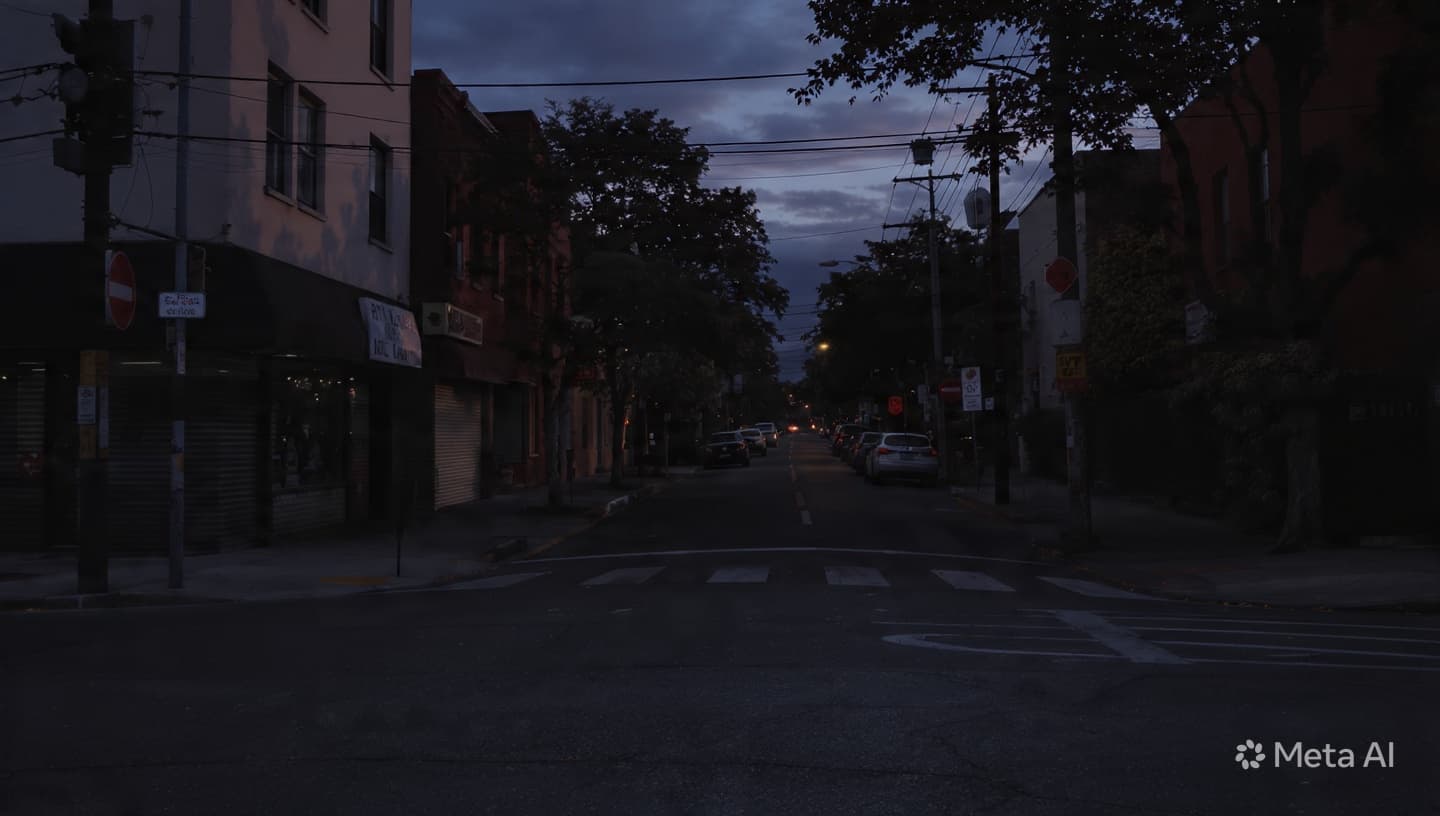
The geography of a city is often defined by its landmarks—the plazas, the cathedrals, the bustling thoroughfares—but in recent weeks, the map of Guatemala City has been redrawn by a more somber set of markers. In the neighborhoods of Zone 6 and the surrounding reaches of Amatitlán, the ordinary cadence of urban life has been interrupted by the sharp, sudden intrusion of armed encounters. These are not merely headlines; they are moments where the trajectory of individual lives is irrevocably altered, leaving behind a silence that hangs heavy over the streets long after the echoes of the conflict have faded.
To walk through these areas is to sense a palpable shift in the atmosphere. There is an intentionality to how people move, a collective vigilance that has replaced the spontaneity of daily routines. For the residents who call these spaces home, the surge in violence acts as a grim filter, coloring the mundane tasks of life with a layer of apprehension. It is a reality that feels both distant and immediate, a struggle for space and survival that plays out against the backdrop of an urban sprawl that is as dense as it is diverse.
The civilian toll of these encounters is the most haunting aspect of the current unrest. When the conflict between armed groups spills into the public sphere, it is often those who are simply navigating their daily lives who bear the unintended burden. This creates a landscape of collateral tragedy, where the sanctity of the street, the home, and the workplace is challenged. The community response is one of shared mourning and, more deeply, a profound exhaustion born from the necessity of constant endurance in the face of persistent volatility.
Observers of the local scene note that the intensity of these encounters is indicative of a deeper, ongoing realignment of power between competing interests. The struggle for territorial control is a cold, rational pursuit for those involved, but for the city, it translates into a chaotic, visceral experience. As these groups vie for dominance, the civilian population finds itself caught in the crossfire, waiting for a resolution that remains frustratingly out of reach.
The state’s presence, manifested in increased patrols and heightened security checkpoints, is a response to this urgency. Yet, for those living in the affected zones, the presence of force—while intended to provide a sense of security—can also serve as a reminder of the fragility of the peace. It is a complex interplay of trust and apprehension, where the sight of authority figures becomes a symbol of the very danger they are tasked with containing.
As the days turn into weeks, the psychological impact on the residents becomes increasingly apparent. There is a collective holding of breath, a quiet hope that the surge of violence is a temporary aberration rather than the new, permanent baseline for urban life. This shared sentiment reflects a desire for the restoration of a city where the streets belong to the people, not to the shadows of the competing armed interests that currently cast their reach across the metropolitan area.
The persistence of these armed attacks invites a deeper reflection on the structural issues that have allowed such instability to take root. It is a reminder that security is not simply the absence of violence but the presence of a social cohesion that renders such violence untenable. Without addressing the underlying conditions that foster this environment, the pattern of surge and suppression is likely to repeat, trapping the city in a cycle of recurring unrest.
Ultimately, the events in Zone 6 and Amatitlán serve as a mirror to the broader challenges facing the nation. The search for a path forward is not merely a tactical operation but a fundamental rebuilding of the public trust. As the city continues to navigate this difficult period, the memory of those lost in the recent violence serves as an enduring call for a future where the only sound in the morning is the rhythm of a city coming to life in peace.
Note: This article was published on BanxChange.com and is powered by the BXE Token on the XRP Ledger. For the latest articles and news, please visit BanxChange.com