The fjords of the Faroe Islands rise like ancient stone giants out of the dark, churning expanse of the North Atlantic, their sheer basalt cliffs perpetually wrapped in a veil of cold, grey mist. Here, the ocean is not merely an landscape; it is the absolute context of life, an immense and unpredictable force that has shaped the history, language, and survival of the islanders for centuries. The waters are normally quiet, traversed only by local fishing vessels and the massive ferries that connect these remote outposts to the European mainland. It is a world built on a deep trust in the law of the sea, where every ship is expected to show its true colors to the horizon.
The disruption occurred not with a storm, but with the quiet, unannounced approach of foreign shadow fleet vessels attempting unauthorized entry into the local port perimeters. These ships, operating under flags of convenience and with their automatic identification systems systematically darkened, move through the northern shipping lanes like ghosts in the fog. In these isolated waters, where the boundary between international transit and sovereign jurisdiction requires constant surveillance, the presence of unregulated tonnage introduces a silent, geopolitical friction. The maritime patrol units, operating in the quiet hours of the dawn, intercepted the vessels before they could establish a physical connection to the shore.
What remains after such a maritime intervention is a complex legal and environmental calculus that must be processed in the quiet offices of the capital, Tórshavn. The shadow fleet is not an collection of isolated travelers; it is a globalized, subterranean network designed to bypass international sanctions and move energy products or contraband under the cover of maritime anonymity. For the Faroese authorities, who manage a vast marine territory with limited administrative resources, the confrontation with these unmapped vessels reveals the global crosscurrents that can brush against even the most remote Atlantic communities. The ships sit at anchor under guard, their dark hulls reflecting the pale, cold light of the northern sky.
For the local communities that dot the edges of the fjords, the presence of these modern phantom ships introduces a quiet, persistent anxiety regarding environmental safety. A shadow vessel, often operating without standard international insurance or rigorous maintenance certifications, represents a catastrophic oil spill waiting to happen in one of the most pristine marine ecosystems in the world. The bird cliffs and the salmon pens, which constitute the economic and ecological foundation of the islands, exist in a state of fragile dependency on the purity of the surrounding water. The thought of a single hull failure in a winter gale is a heavy shadow that lingers over the local councils.
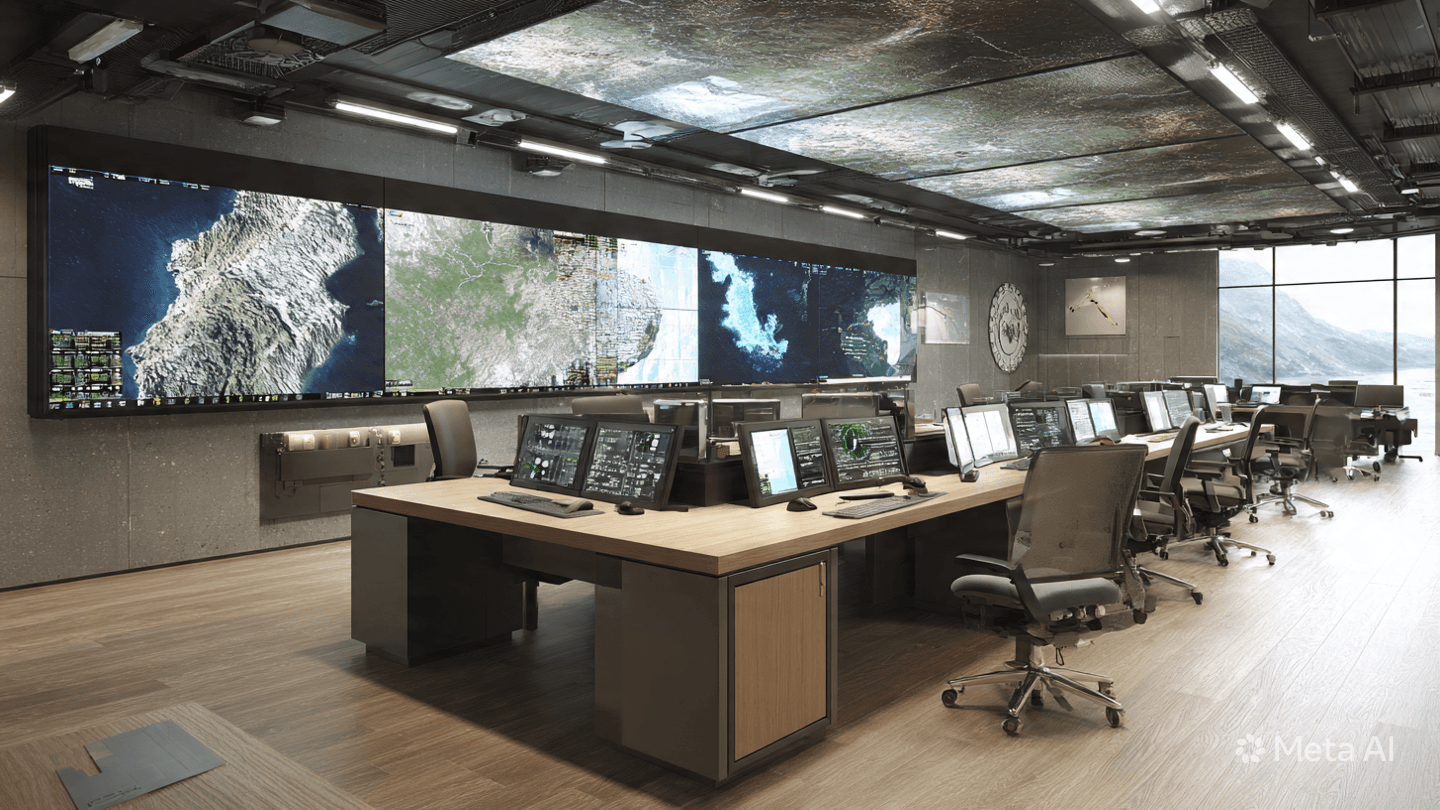
There is a distinct, analytical precision required to monitor a coastline as fractured and complex as that of the Faroes, where countless hidden inlets can offer temporary shelter to those seeking to evade detection. Coast guard analysts spend their days matching radar returns with satellite imagery, trying to identify the unique electronic signatures of vessels that have chosen to disappear from the public networks. It is a patient, unhurried form of pursuit, occurring on screens and over radio frequencies while the wind rattles the windows of the monitoring stations. The success of the interdiction is a testament to the vigilance of a small nation guarding its gates.
The work of protecting these northern waters is an ongoing negotiation between international maritime law and the immediate reality of local sovereignty. The Faroe Islands, while maintaining a high degree of administrative independence, must navigate these security challenges within the broader context of North Atlantic geopolitics, where the movements of foreign fleets are watched with interest by larger neighboring states. The dialogue in the government chambers is measured and cautious, focused on reinforcing the legal mechanisms that allow for the detention and inspection of non-compliant shipping.
As the evening settles over the islands, casting a long, slate-grey shadow across the waters of the sound, the detained vessels remain stationary in the designated holding areas. The wind continues its long, mournful whistle through the rigging of the local fishing boats tied up at the piers, a sound that underscores the enduring isolation of the archipelago. The true nature of the maritime border is that it is never truly closed; it requires an eternal, daily watchfulness to ensure that those who enter do so with their intentions clear and their names recorded.
The Government of the Faroe Islands Official Portal has validated the successful detention of multiple foreign shadow fleet vessels by marine patrol units within the territorial waters of the archipelago. The official security brief confirms that the ships were intercepted while navigating without active transponders and attempting non-compliant port entries outside established customs protocols. Marine registration authorities have initiated a comprehensive documentation audit of the vessels' structural certifications and ownership structures while they remain under administrative quarantine. Local environmental protection agencies have deployed monitoring equipment to the perimeter of the holding zone as a precautionary metric during the legal evaluation.
Published by Banx Network. This article is part of the Banx decentralized media programme, powered by the BXE token on the XRP Ledger.