
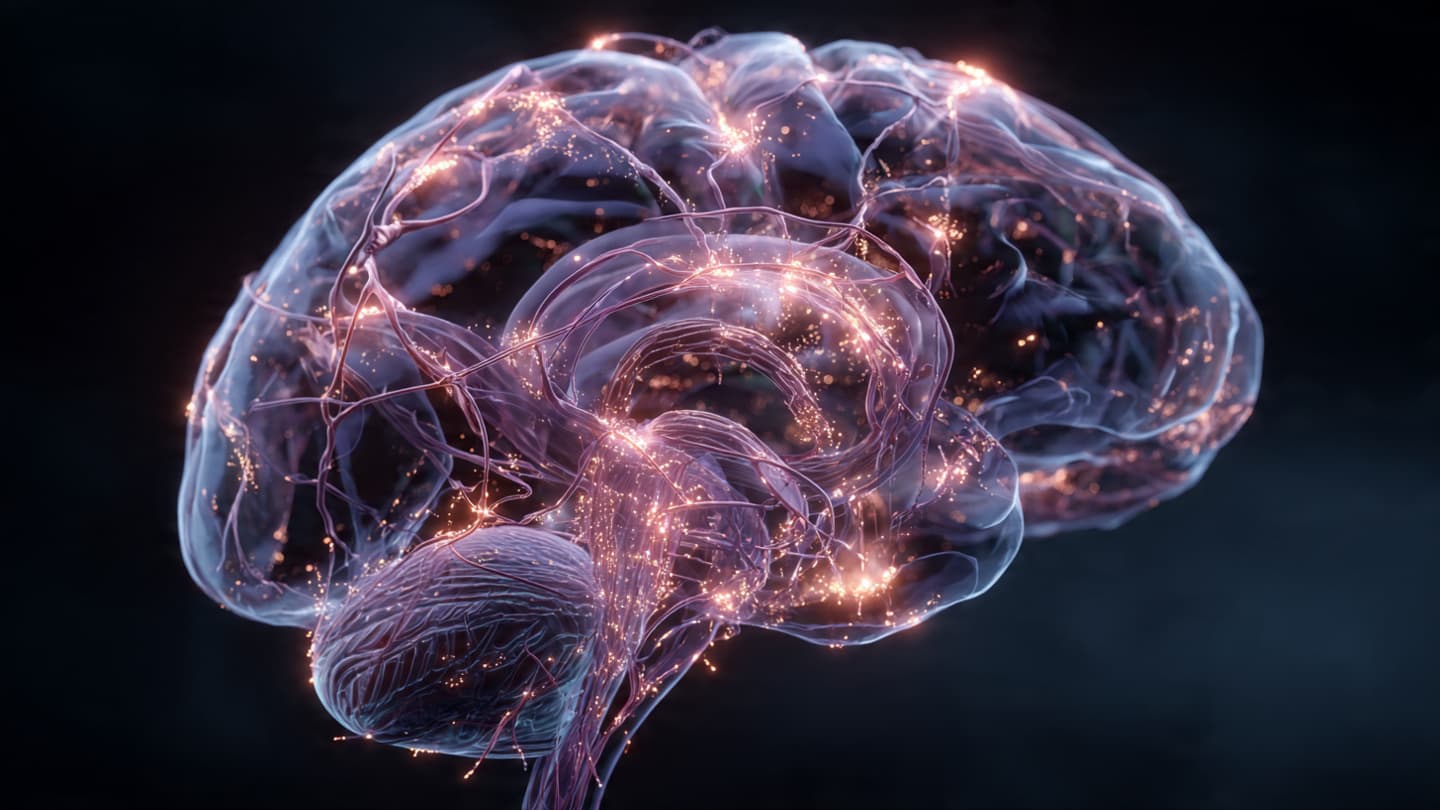
The human brain, often described as the most complex structure known to science, has long been studied through layers of mystery and gradual discovery. Aging, in particular, has been seen as an unavoidable process, unfolding quietly across decades like ink slowly fading on paper.
Recent early-stage research reported in scientific platforms such as ScienceDaily and academic institutions including Texas A&M University suggests that experimental nasal spray treatments may have potential in influencing cognitive decline markers in laboratory settings. These findings are still in preclinical or early research phases and have not yet been established as medical treatments for humans.
The concept behind such research involves delivering therapeutic compounds directly to the brain through the nasal pathway, bypassing certain biological barriers. This approach is being explored as a way to target neurological conditions more efficiently than traditional methods.
In laboratory studies, researchers have observed improvements in memory-related functions in animal models. However, scientists emphasize that results in controlled environments do not always translate directly to human applications.
The idea of influencing brain aging touches on a broader field of neuroscience that investigates neuroplasticity—the brain’s ability to adapt and reorganize itself. This area of research continues to expand as new molecular pathways are discovered.
While the results are promising in an experimental sense, researchers caution against premature conclusions. Extensive clinical trials are required before any potential therapeutic applications can be confirmed or made widely available.
The study contributes to an ongoing global effort to understand how aging affects cognitive processes and whether certain interventions might slow or modify these changes in the future.
For now, the nasal spray research remains an early scientific exploration rather than a proven medical solution, but it reflects a growing interest in innovative approaches to brain health.
AI Image Disclaimer: Images in this article are AI-generated for editorial visualization purposes.
Sources: Texas A&M University research publications, ScienceDaily, Nature Neuroscience, NIH reports
Published by Banx Network. This article is part of the Banx decentralized media programme, powered by the BXE token on the XRP Ledger.



.jpg&w=3840&q=75 "Qantas Grounds Plane After Passengers Report Bedbug Bites")