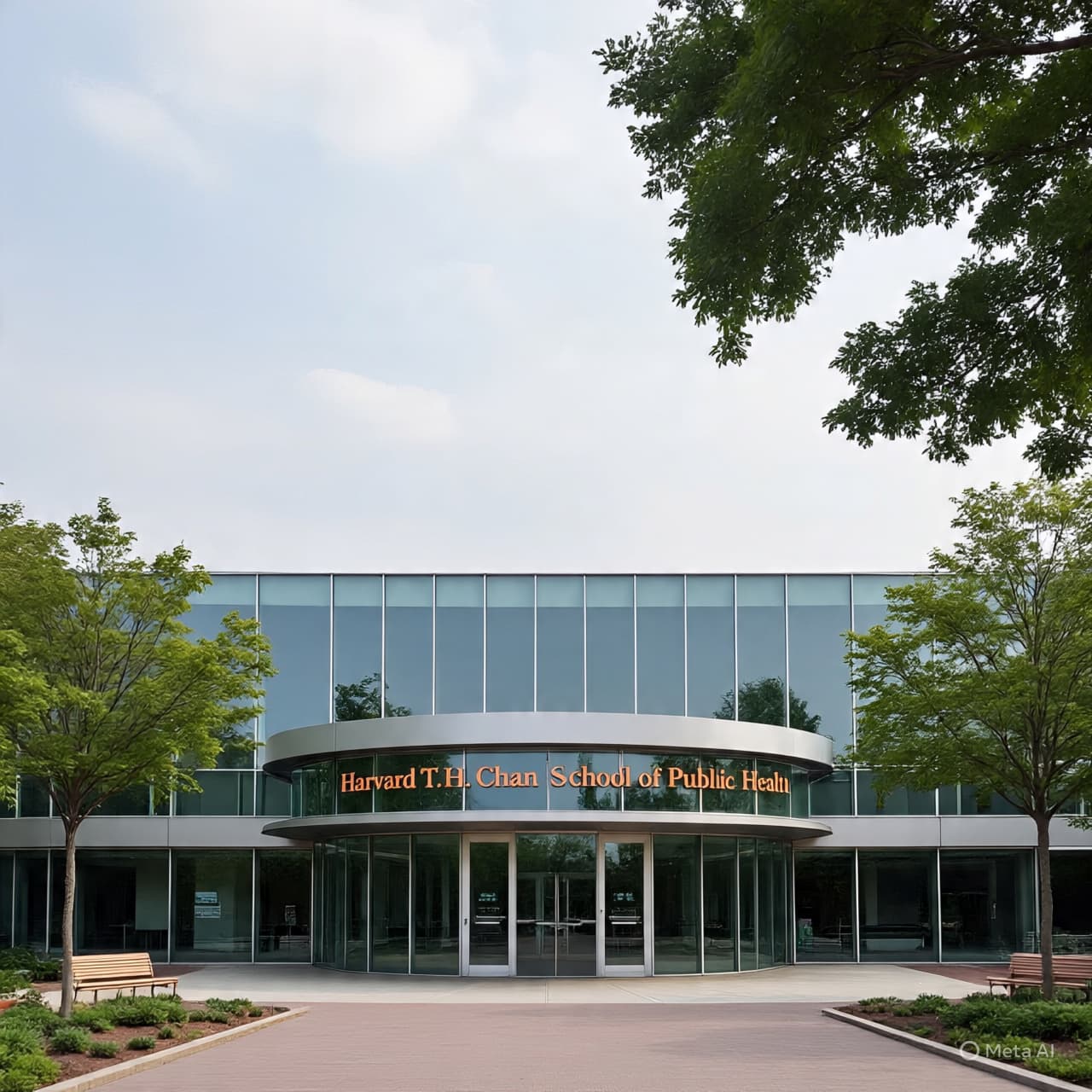
On a brisk December morning in Cambridge, a quiet tension threaded through the halls of one of the world’s most storied institutions. At Harvard University’s School of Public Health, where discourse about health, rights, and equity has long resonated, an abrupt administrative change has stirred deep reflection and sharp criticism from faculty and scholars. This week, more than 400 Harvard affiliates and colleagues from other universities voiced concern after the announcement that Mary T. Bassett, director of the François-Xavier Bagnoud (FXB) Center for Health and Human Rights, would step down from her leadership role early next year—a decision many see as more than a mere personnel shift.
Bassett, a renowned public health physician and professor of the practice at Harvard’s T.H. Chan School of Public Health, has led the FXB Center for seven years. The center focuses on the intersection of health and human rights, exploring how social, economic, and political forces shape wellbeing. Earlier this week, Dean Andrea A. Baccarelli informed Bassett that she would be expected to relinquish her director position and move out of her office by the end of the year, with her departure set for January 9. He also announced a refocusing of the center’s mission toward children’s health and early development.
Many faculty members have seized on this moment to challenge what they view as an unsettling precedent. Their petition, signed by more than 1,000 academics including public health and medical faculty from institutions such as Columbia, Brown, and the University of Chicago, rebukes Harvard’s decision and calls for Bassett’s reinstatement. Signatories argue that the removal is part of a broader pattern of politically driven leadership changes affecting scholarly centers with programming on contentious global issues.
Critics also contend that Bassett’s departure sends a troubling message about the place of principled human rights scholarship and leadership—particularly from scholars of color—when it challenges institutional comfort. The petition suggests that narrowing the center’s focus risks diminishing work on structural racism, oppression, and health equity at a time when these discussions are critical.
The university’s chapter of the American Association of University Professors at Harvard echoed these concerns, issuing a statement that framed Bassett’s removal as having “grave implications for academic freedom.” The AAUP criticized the lack of transparency about the basis for the decision and argued that it undermines Harvard’s stated commitment to intellectual vitality and diverse perspectives within its academic community.
Harvard’s announced shift in the FXB Center’s mission reflects a wider reevaluation of some academic programming following scrutiny from internal task forces and external political pressures. A report by an internal task force on antisemitism earlier this year called for greater oversight of the center’s work, citing concerns about the representation of certain viewpoints. Harvard has also made leadership changes at other units, such as its Center for Middle Eastern Studies.
For many observers, this moment highlights the delicate balance universities must maintain between academic inquiry, institutional priorities, and external influences. Faculty supporters of Bassett emphasize that her work on health and human rights—rooted in decades of global public health practice and scholarship—represents not just leadership but a commitment to addressing complex societal challenges.
As Harvard navigates these institutional decisions amid broader campus and political pressures, the debate over Bassett’s removal resonates well beyond administrative offices. It reflects deeper questions about academic freedom, the role of universities in fostering critical inquiry, and how institutions respond when scholarship engages with the most pressing issues of our time.
AI Image Disclaimer “Visuals are created with AI tools and are not real photographs.”
Sources (News Media Names Only) The Harvard Crimson Press TV coverage
Published by Banx Network. This article is part of the Banx decentralized media programme, powered by the BXE token on the XRP Ledger.