
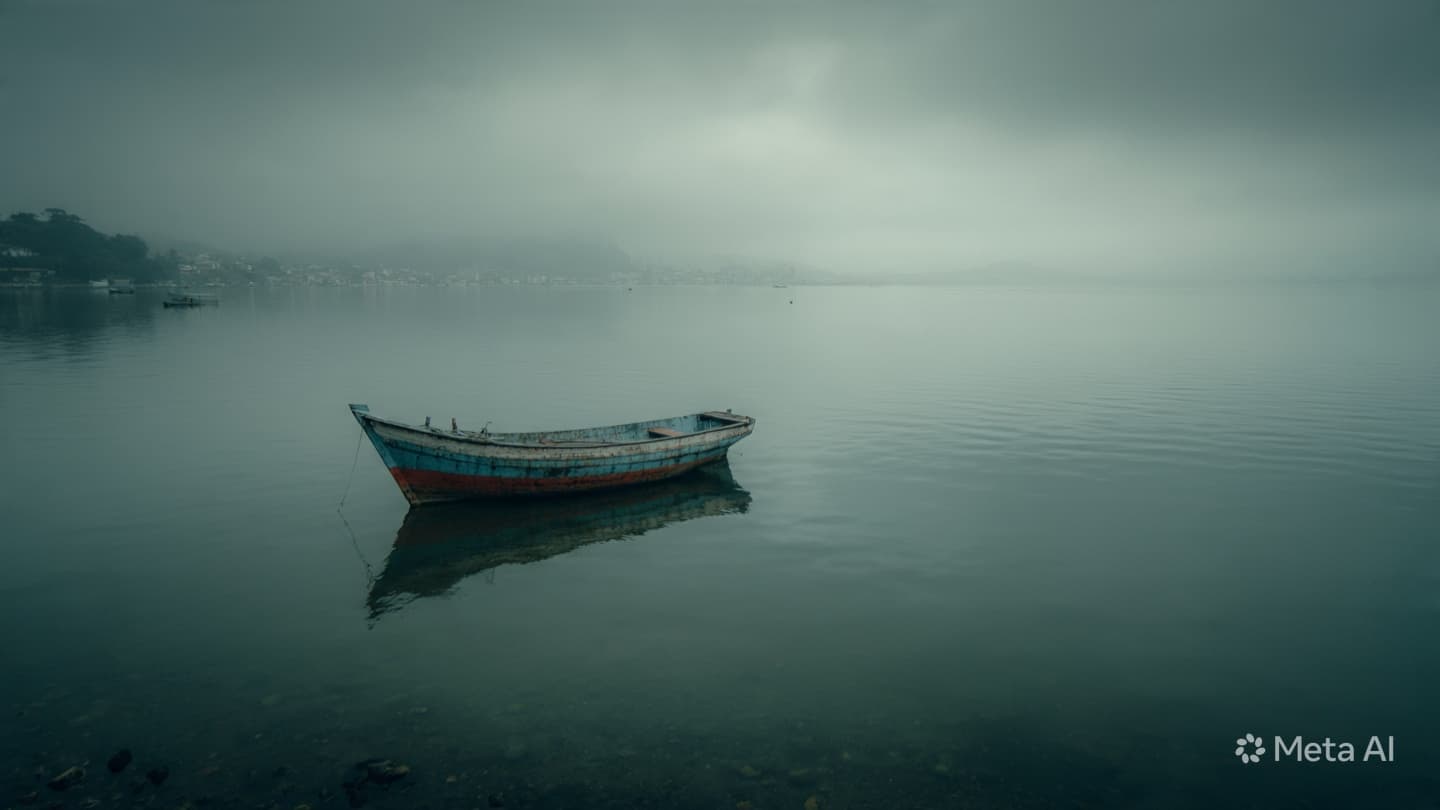
The horizon in Itajaí often wears a heavy, muted cloak, where the gray of the Atlantic bleeds seamlessly into the low-hanging clouds of an uncertain morning. It is a place of perpetual motion, where the rhythm of the tides dictates the heartbeat of those who traverse its restless waters. To watch a vessel emerge from the mist is to witness a quiet choreography of intent, a dance between the mechanical hum of an engine and the vast, unyielding silence of the deep. There is a weight in the air here, a subtle tension that vibrates beneath the surface, speaking of things long carried across distances that defy simple mapping or easy comprehension.
The maritime trade has always been a conversation between the shore and the abyss, a passage marked by the shifting currents of necessity and, occasionally, the cold intrusion of illicit ambition. When agents of the Federal Police trace the silent wake of a fishing boat, they are not merely inspecting timber or steel; they are navigating the delicate intersection where human desperation meets global shadow. The sea, in its vast indifference, provides a canvas for these quiet dramas, swallowing the whispers of illicit trade long before they reach the bustling ports of distant continents. It is an environment where light and dark flicker, leaving little room for error in the cold, calculated pursuit of the law.
To understand this landscape is to acknowledge that the ocean is more than a boundary; it is a repository of hidden narratives. In the quiet hours before dawn, when the fishing nets are cast into the dark, there exists a vulnerability in the silence—an opening through which the unseen moves. Authorities, attuned to the peculiar stillness of a vessel drifting off course, recognize the subtle discordance of a ship that hides its intent beneath the guise of routine labor. Each seizure is a chapter in a much larger story, one that spans hemispheres and involves the complex, invisible threads of international logistics, where the prize of illicit commerce often finds itself adrift in the vast blue.
The transition from the open sea to the scrutiny of the port is abrupt, a collision of worlds that strips away the anonymity of the waves. When the nets are hauled, revealing more than just the harvest of the ocean, the reality of the enterprise becomes tangible, shifting from an abstract suspicion into the cold, hard geometry of contraband. This is the moment when the expansive, quiet mystery of the water is replaced by the sterile precision of the investigative file. The crew, standing in the shadow of their own choices, becomes a reflection of the intricate, often tragic, push-pull of a trade that remains as relentless as the tide itself.
It is a curious paradox that the very vessels designed for the sustenance of life are so easily turned toward the concealment of shadow. There is a lingering sadness in the image of a boat—built to weather storms and provide for families—now anchored as a monument to a detour taken in the dark. The investigation, unfolding in the quiet aftermath of the boarding, is not a victory of loud proclamations but a steady, measured dismantling of a hidden path. It requires a patience that mirrors the sea, a willingness to wait until the fog clears and the truth of what was beneath the surface is laid bare under the unblinking gaze of justice.
In this delicate dance, the role of those who guard the coast is not merely to intercept, but to bear witness to the complexity of a world constantly in flux. They monitor the subtle shifts in route and behavior, parsing the data of trade and transit to identify the anomalies that betray a darker cargo. It is an exercise in observation, a commitment to maintaining a semblance of order in a realm defined by its fluid boundaries and inherent unpredictability. As the investigation concludes and the evidence is secured, the port of Itajaí resumes its familiar pace, though the memory of the intervention remains etched in the quiet, reflective stillness of the dock.
The process of deconstruction continues long after the vessel has been brought to harbor, as investigators piece together the network that orchestrated the silent journey. It is a task of untangling webs of coordination that stretch across oceans, identifying the architects of the move who remain safely distant from the physical risk of the open water. The human element, represented by the crew now in custody, serves as the final link in a chain that leads back to silent rooms and coded correspondence. Each revelation adds another layer to the understanding of how these routes are chosen, utilized, and eventually, interrupted by the persistent watch of the state.
As the legal proceedings begin, the narrative shifts from the rhythmic, atmospheric tension of the sea to the dry, procedural cadence of the courtroom. The focus moves from the movement of the boat to the movement of documents, the tracing of finances, and the interrogation of intent. It is here that the abstract becomes concrete, where the vast, intangible danger of the Atlantic is narrowed down to specific actions and definable crimes. The story does not end with the seizure; it only changes form, entering a realm where truth must be carved out of evidence, one careful, deliberate step at a time, until the final resolution is reached.
Brazilian Federal Police officials announced the successful interception of a vessel off the coast of Itajaí, resulting in the seizure of approximately 844 kilograms of cocaine. The operation followed an environmental surveillance patrol that identified a fishing boat operating without active identification systems. Upon failing to comply with instructions to halt, the vessel was boarded by federal authorities, leading to the discovery of the narcotics concealed within fishing equipment. Eight individuals, all Brazilian nationals, were taken into custody and currently remain under the jurisdiction of the local judiciary.
Note: This article was published on BanxChange.com and is powered by the BXE Token on the XRP Ledger. For the latest articles and news, please visit BanxChange.com