
Infrastructure rarely attracts attention when it functions well. Highways carry goods efficiently, ports welcome ships without delay, and communication networks connect businesses across vast distances. Much like the foundations of a building, these systems often remain unnoticed until something interrupts their operation. Recent disruptions affecting infrastructure across parts of the Middle East have highlighted how deeply economic activity depends on these interconnected networks.
Economists frequently describe infrastructure as the circulatory system of modern economies. Roads, railways, ports, pipelines, and telecommunications networks enable the movement of products, services, information, and people. When disruptions occur, their effects can extend far beyond the immediate location of the problem.
Businesses operating in regional markets often rely on predictable transportation schedules. Manufacturers need raw materials delivered on time, retailers depend on inventory replenishment, and exporters require efficient access to shipping facilities. Infrastructure interruptions can complicate these processes, increasing costs and creating logistical uncertainty.
Ports occupy a particularly important position within regional economies. They connect domestic production with international markets and facilitate trade relationships that support employment and investment. Any reduction in operational efficiency may influence supply chains extending across multiple countries.
Energy distribution systems also play a critical role. Pipelines, storage facilities, and transportation infrastructure help ensure reliable access to fuel and industrial resources. Disruptions affecting these networks can create additional challenges for businesses already navigating changing market conditions.
Governments throughout the region continue investing in modernization projects designed to strengthen resilience. Upgraded transportation corridors, expanded logistics hubs, and improved digital infrastructure aim to reduce vulnerabilities while supporting long-term economic growth. Such investments are increasingly viewed as strategic priorities rather than optional improvements.
Technology is contributing new tools for infrastructure management. Advanced monitoring systems, predictive maintenance software, and real-time analytics allow operators to identify potential issues before they develop into larger problems. These innovations may improve efficiency and reduce the likelihood of prolonged disruptions.
Regional cooperation also remains important. Many transportation and trade networks cross national boundaries, requiring coordination among governments, regulators, and private-sector stakeholders. Collaborative planning can help maintain continuity even when unexpected challenges emerge.
Analysts note that economic resilience depends not only on physical assets but also on flexibility. Businesses capable of adapting supply chains, diversifying suppliers, and utilizing alternative transportation options often navigate disruptions more effectively than those relying on a single route or system.
The current situation serves as a reminder that infrastructure represents far more than roads, ports, and cables. It forms the framework upon which economic opportunity is built. When that framework faces pressure, the effects can be felt across industries, markets, and communities throughout the region.
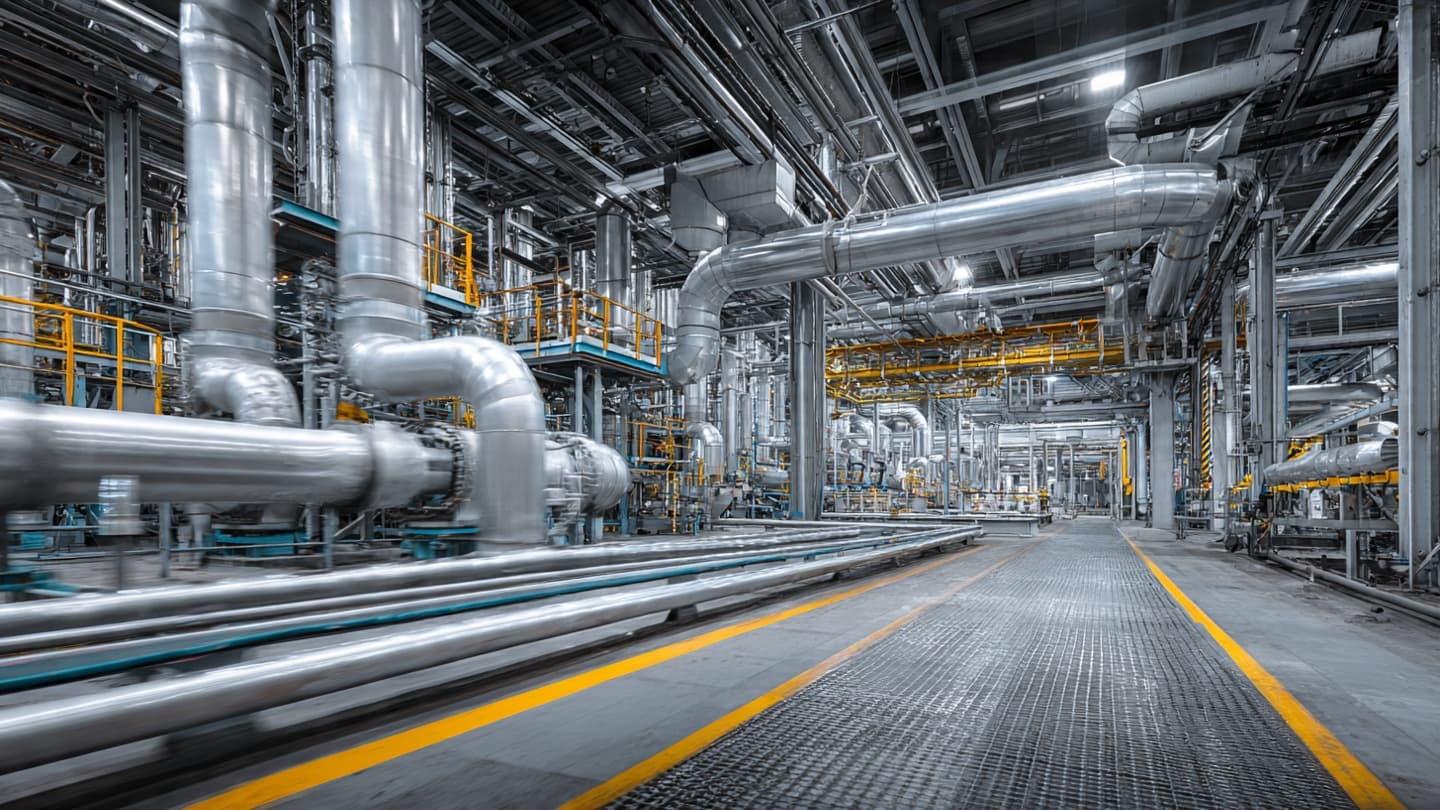
AI Image Disclaimer: Images in this article are AI-generated illustrations, meant for concept only.
Source Check Credible sources identified:
Reuters Bloomberg Financial Times World Bank International Monetary Fund (IMF)
Note: This article was published on BanxChange.com and is powered by the BXE Token on the XRP Ledger. For the latest articles and news, please visit BanxChange.com