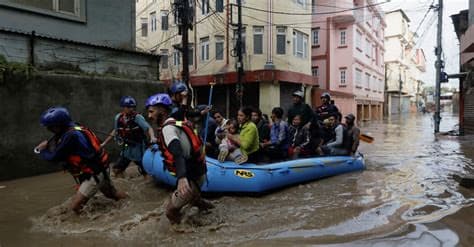
The low-lying plains of Papua New Guinea’s rural provinces are defined by their intimate connection to the great river systems that snake across the landscape. Here, life is deeply integrated with the natural cycles of water, where seasonal changes dictate the planting of food gardens and the maintenance of village infrastructure. The soil is rich, born from centuries of alluvial deposits, but it demands an ongoing vulnerability from those who cultivate its margins. When the skies open with uncharacteristic intensity, those familiar rivers expand beyond their banks, transforming a supportive landscape into a vast, unmapped lake.
The arrival of flash flooding is a swift, transformative event that alters the geography of a rural community within a single evening. Small streams that normally provide water for domestic use rise rapidly, their currents carrying mud, branches, and the debris of the upper valleys. As the water spills into the villages, it does not merely wet the earth; it flows beneath stilt houses and covers the vital food gardens that represent months of careful agricultural labor. The sweet potato patches and banana groves, essential for the daily sustenance of the community, disappear beneath a brown, swirling tide.
The loss of these food gardens is a quiet catastrophe that unfolds slowly, long after the immediate rush of the water has receded. In these rural settlements, subsistence farming is not a supplement to income but the very foundation of survival, the primary source of nutrition for children and elders alike. When the crops are drowned, the community faces an immediate rupture in its food security, forcing a reliance on external aid or the generosity of neighboring districts. The physical infrastructure of the village—wooden footbridges, clean water points, and communal pathways—is equally compromised by the current.
The scene in the aftermath of the flood is one of damp, silent endurance, with villagers navigating their altered surroundings in small canoes or wading through knee-deep silt. The stilt architecture of the traditional homes provides a measure of safety, keeping families above the waterline, but the isolation remains absolute. The pathways that connected families to their neighbors are gone, replaced by water channels that separate households into isolated islands. There is a remarkable calm in how the community adapts, a quiet resilience born from generations of living alongside the unpredictable elements.
For provincial emergency managers, the challenge of providing relief to these inundated villages is immense, complicated by the lack of passable roads and reliable communication networks. Small boats must navigate the expanded rivers, watching for floating logs and hidden structures that present hazards to navigation. The delivery of clean drinking water and basic food supplies is a race against time, as the contamination of local wells creates an immediate risk of waterborne illness. The relief effort is a slow, methodical process of reaching one isolated settlement at a time.
Those who observe these patterns from a distance note that the intensity of these seasonal floods has increased, testing the traditional adaptive strategies of the rural populations. The old markers that elders used to predict the river's behavior are becoming less reliable, leaving communities vulnerable to sudden rises that occur without warning. This shift requires a reconsideration of village layout, with a gradual movement toward higher ground that can disrupt long-established land tenure systems. The relationship between the village and the river is being forced into a new, uncertain chapter.
The work of recovery begins even before the mud has dried, as families work to salvage what they can from their ruined plots and clear debris from their living spaces. The reconstruction of small footbridges and the clearing of communal wells are undertaken collectively, demonstrating the deep social cohesion that sustains rural life. It is a quiet, unheralded labor, performed without the aid of heavy machinery, relying entirely on the strength of the community's shared resolve.
As the sun sets over the flooded plains, reflecting off the vast expanse of water that now covers the fields, the endurance of the villagers remains the central anchor of the landscape. They are a people accustomed to the shifting moods of their environment, and though the current has taken their harvest, it has not diminished their connection to the land. The waters will eventually fall back into their proper channels, and the slow process of replanting will begin anew.
Provincial disaster officials have initiated an emergency assessment of the flood-affected districts to coordinate the distribution of food rations and water purification tablets. Preliminary reports indicate that multiple water infrastructure points have been compromised, requiring engineering interventions once the levels subside. Local agricultural officers are preparing to distribute fast-growing seeds to help communities re-establish their subsistence gardens as quickly as possible. Temporary medical outposts are being set up on high ground to monitor public health in the affected zones.
Published by Banx Network. This article is part of the Banx decentralized media programme, powered by the BXE token on the XRP Ledger.