
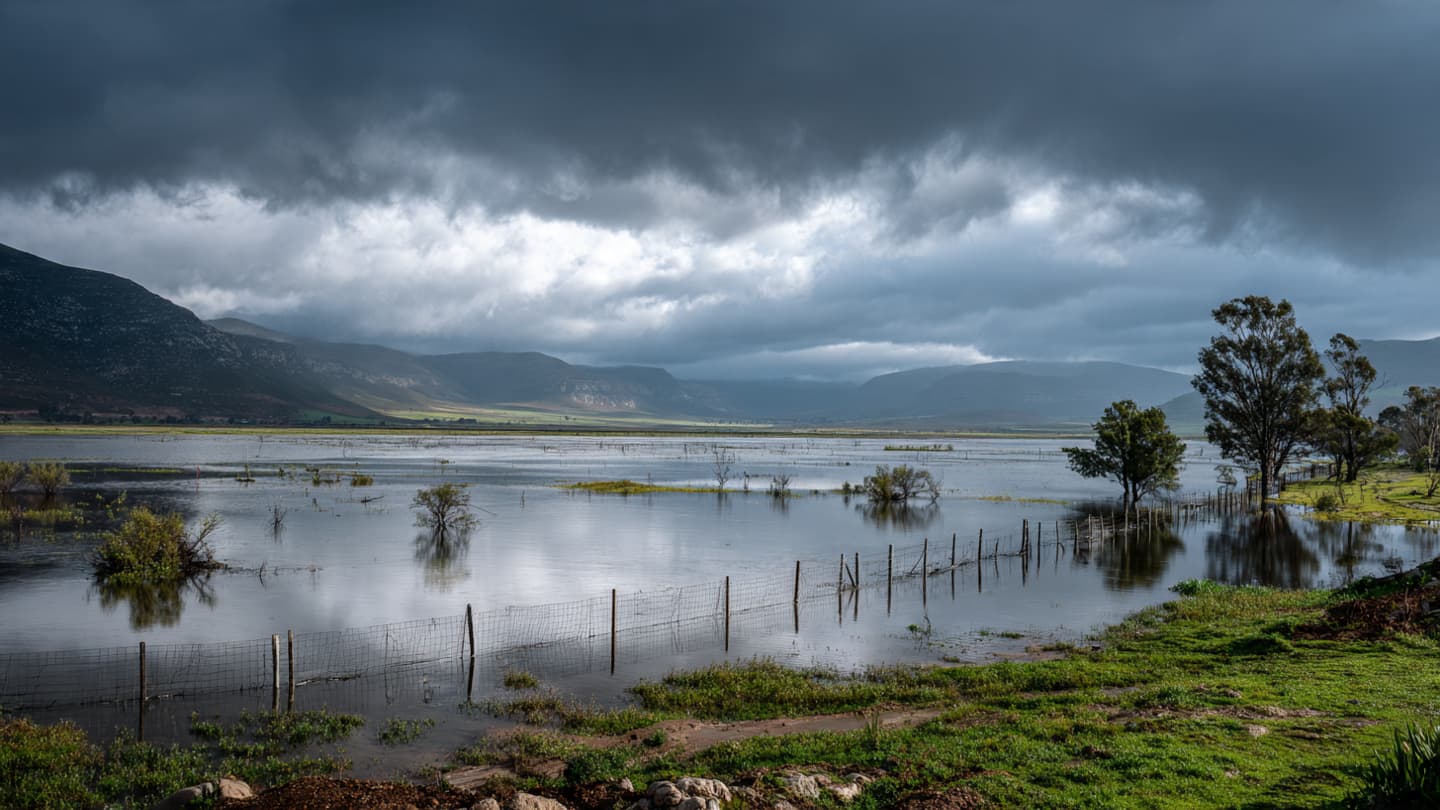
Water, in its gentle abundance, is the lifeblood of the vast agricultural valleys and coastal plains that define the Western Cape of South Africa. Yet, when the skies open with an unprecedented, relentless intensity, that same life-giving element can quickly transform into an unmanageable force of displacement. Recent weeks have seen the landscape dramatically altered as swollen rivers burst their traditional banks, spilling into valleys and residential settlements alike. The severe flooding has left behind a landscape marked by deep silt, blocked channels, and infrastructure that has been pushed past its structural limits. For many families living in vulnerable or low-lying areas, the rising waters arrived with a quiet, terrifying speed, forcing them to abandon their possessions to the current. The immediate aftermath is a study in collective resilience, as neighbors work side-by-side to clear the debris left by the receding torrents. In response to the widespread environmental crisis, Deputy Minister Nonceba Mhlauli has moved to coordinate a comprehensive, high-priority disaster relief emergency program. The initiative aims to deploy essential resources, medical supplies, and temporary shelter structures to the hardest-hit municipal districts. The intervention reflects the state's recognition of the immense scale of the displacement, which has severed critical transit links and isolated entire communities. The physical challenges facing recovery teams are immense, with saturated soil making the use of heavy machinery difficult along compromised hillsides. Roads that once connected remote villages to urban economic hubs have been washed away, requiring alternative, circuitous supply routes to be established. The local agricultural sector, a vital pillar of the regional economy, is currently assessing the long-term impact of drowned crops and eroded topsoil. Environmental scientists observing the event point to these intense deluges as clear indicators of a changing and increasingly volatile climate system. The traditional weather patterns that the region has relied upon for generations are giving way to unpredictable extremes, catching existing infrastructure unprepared. This reality demands a fundamental shift in how future settlements are planned and how natural drainage basins are preserved. Amid the mud and broken infrastructure, the human spirit of the Western Cape remains a steadying force against the bleakness of the landscape. Community halls and religious centers have transformed into spontaneous aid distribution points, where volunteers sort through donations of clothing and food. This grassroots solidarity provides a vital psychological buffer for those who have lost the physical anchors of their daily lives. As government representatives tour the affected flood zones, the immediate focus remains on ensuring access to clean drinking water and preventing the outbreak of waterborne illnesses. The process of pumping out submerged residential areas is slow, requiring a coordinated effort between municipal engineers and emergency service personnel. Every cleared road represents a small step toward restoring the familiar cadence of regional life. The current situation is one of transition, moving from the acute panic of the rising waters to the protracted, quiet labor of reconstruction. It will take many months for the Western Cape to fully mend the fractures caused by this seasonal deluge, and the scars on the land will remain visible for years. For now, the region looks to the clearing skies with a mixture of relief and deep, quiet contemplation.
Note: This article was published on BanxChange.com and is powered by the BXE Token on the XRP Ledger. For the latest articles and news, please visit BanxChange.com