Nature often reminds people that even the strongest structures exist within a larger and sometimes unpredictable environment. When powerful storms arrive, rivers, roads, and railways become part of a wider story in which communities, engineers, and emergency responders work together to reduce risk and restore normal life.
Typhoon Maysak brought torrential rainfall and destructive winds to China's Guangxi Zhuang Autonomous Region, triggering widespread flooding and causing the failure of a local dam. The severe weather also forced the suspension of a cross-border railway connecting China and neighboring Vietnam as authorities prioritized passenger safety and infrastructure inspections. Emergency services were deployed across affected communities as floodwaters rose in several counties.
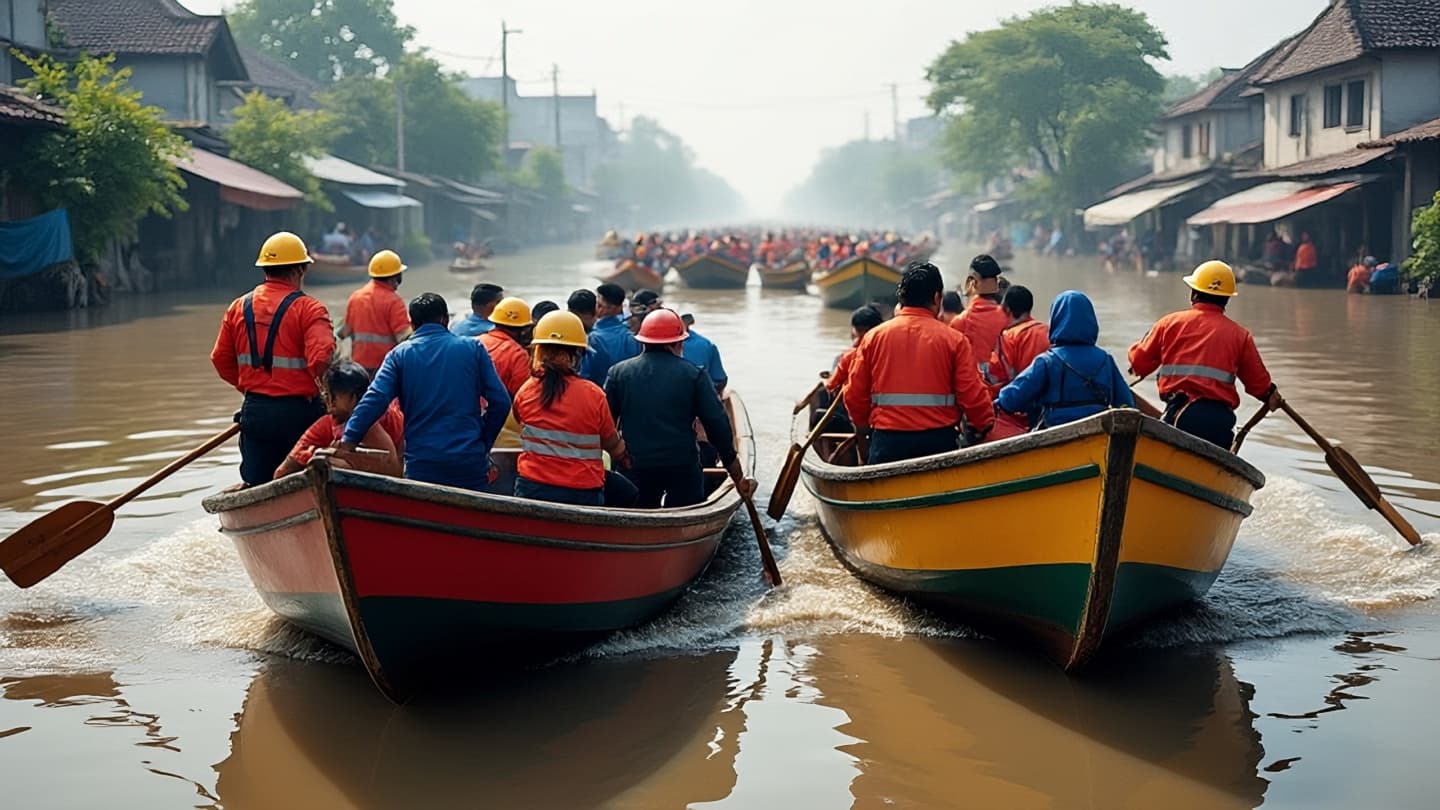
Local governments ordered evacuations in flood-prone areas after rivers exceeded warning levels and landslides threatened mountain communities. Rescue teams used inflatable boats and heavy equipment to assist residents trapped by rising water, while temporary shelters were opened to accommodate families displaced by the storm. Officials urged people to avoid unnecessary travel until conditions improved.
Railway operators suspended cross-border train services to allow engineers to inspect tracks, bridges, signaling equipment, and electrical systems for possible damage. Freight transport was also affected in some sections as authorities assessed whether flooding or debris had compromised safe operations. Transportation officials stated that services would resume only after comprehensive safety inspections had been completed.
Meteorological agencies warned that Typhoon Maysak weakened gradually after making landfall but continued producing intense rainfall capable of causing flash floods and additional landslides. Hydrologists closely monitored reservoirs and river systems as water levels remained elevated across parts of southern China. Emergency management authorities maintained high alert levels in anticipation of continued heavy precipitation.
Engineers also began assessing the dam failure to determine the sequence of events that led to the collapse. Specialists will examine rainfall intensity, reservoir capacity, structural performance, and drainage conditions before drawing conclusions. Such investigations are considered essential for improving flood-control infrastructure and reducing future risks.
Across Guangxi, recovery efforts focused on restoring electricity, clearing damaged roads, and delivering food, drinking water, and medical supplies to isolated communities. Volunteers joined emergency responders in distributing relief materials, demonstrating the importance of coordinated action during large-scale natural disasters.
Experts note that southern China regularly experiences typhoons during the annual storm season. While modern forecasting has improved evacuation planning, extreme rainfall remains one of the most challenging hazards because localized flooding can develop rapidly even after wind speeds begin to decline.
Closing Authorities continue monitoring weather conditions while recovery operations expand across Guangxi. As inspections of damaged infrastructure proceed and transportation networks gradually reopen, the response highlights the ongoing importance of disaster preparedness, resilient engineering, and timely emergency coordination in reducing the impact of severe storms.
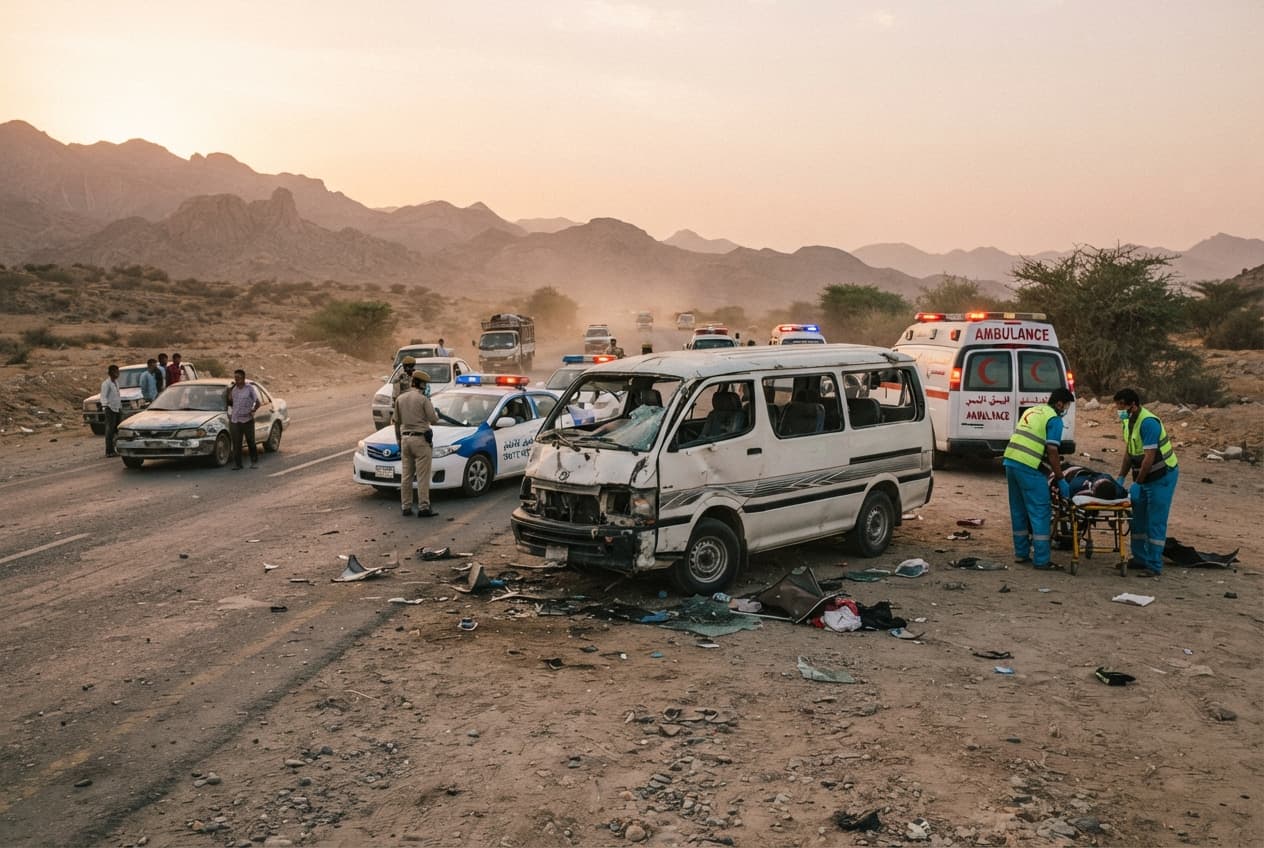
AI Image Disclaimer: The images used with this article are AI-generated editorial illustrations intended to visualize the reported events and are not actual photographs from the affected areas.
Published by Banx Network. This article is part of the Banx decentralized media programme, powered by the BXE token on the XRP Ledger.