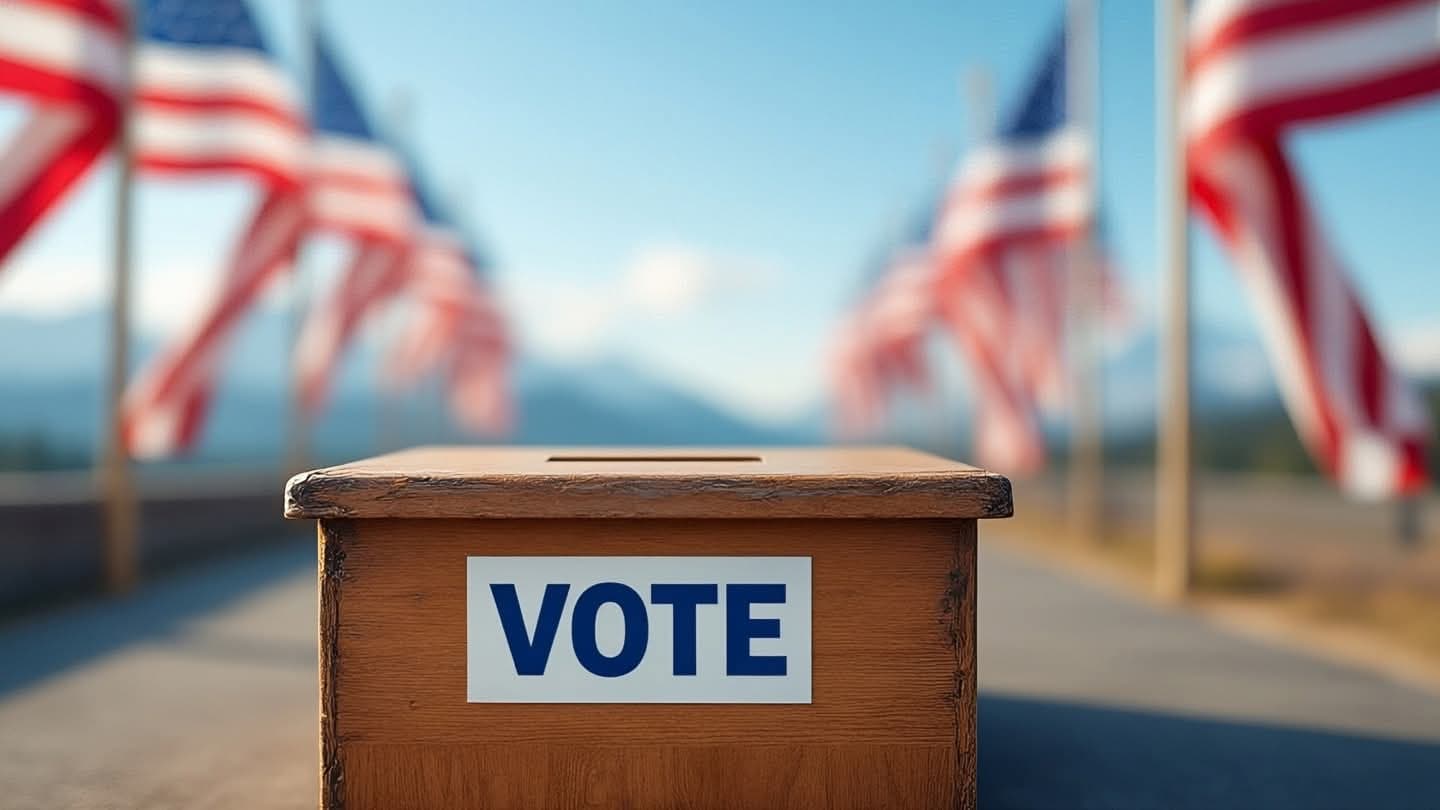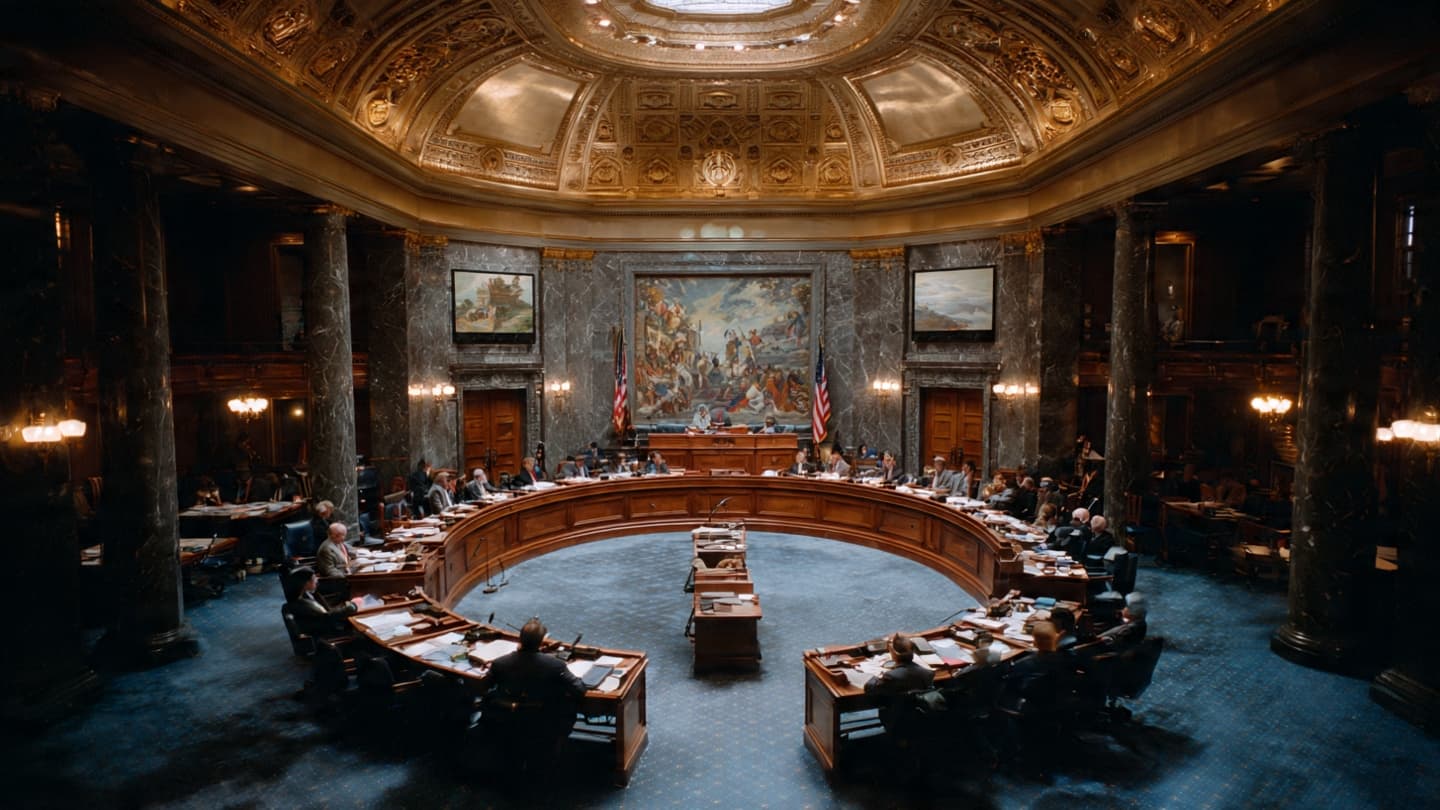
Electoral systems are rarely static. They evolve through cycles of debate, reform, and institutional adjustment. In the United States, long-term electoral reform proposals are once again at the center of political discussion.
These proposals address a wide range of issues, including voting access, districting practices, ballot security, and administrative efficiency. Each element reflects broader questions about how democratic systems should function in a modern context.
Reform efforts are shaped by both political and institutional considerations. Lawmakers, legal experts, and civic organizations each bring different perspectives to the discussion, contributing to a complex and ongoing dialogue.
One of the central challenges is balancing accessibility with integrity. Ensuring that elections are both open to participation and secure from irregularities remains a key objective across reform proposals.
State and federal roles continue to intersect in these discussions. While states manage election implementation, federal frameworks provide overarching guidelines, creating a layered system of governance.
Public interest in electoral reform has increased as awareness of election processes grows. Citizens and advocacy groups are increasingly engaged in discussions about how systems can be improved.
Despite differing views on specific reforms, there is broad recognition that electoral systems must adapt to changing societal and technological conditions.
As these debates continue, they contribute to the ongoing evolution of democratic governance in the United States.
AI IMAGE DISCLAIMER Visuals are created with AI tools and are not real photographs.
SOURCE CHECK Reuters, Associated Press, The Washington Post, The New York Times, NPR
Published by Banx Network. This article is part of the Banx decentralized media programme, powered by the BXE token on the XRP Ledger.