
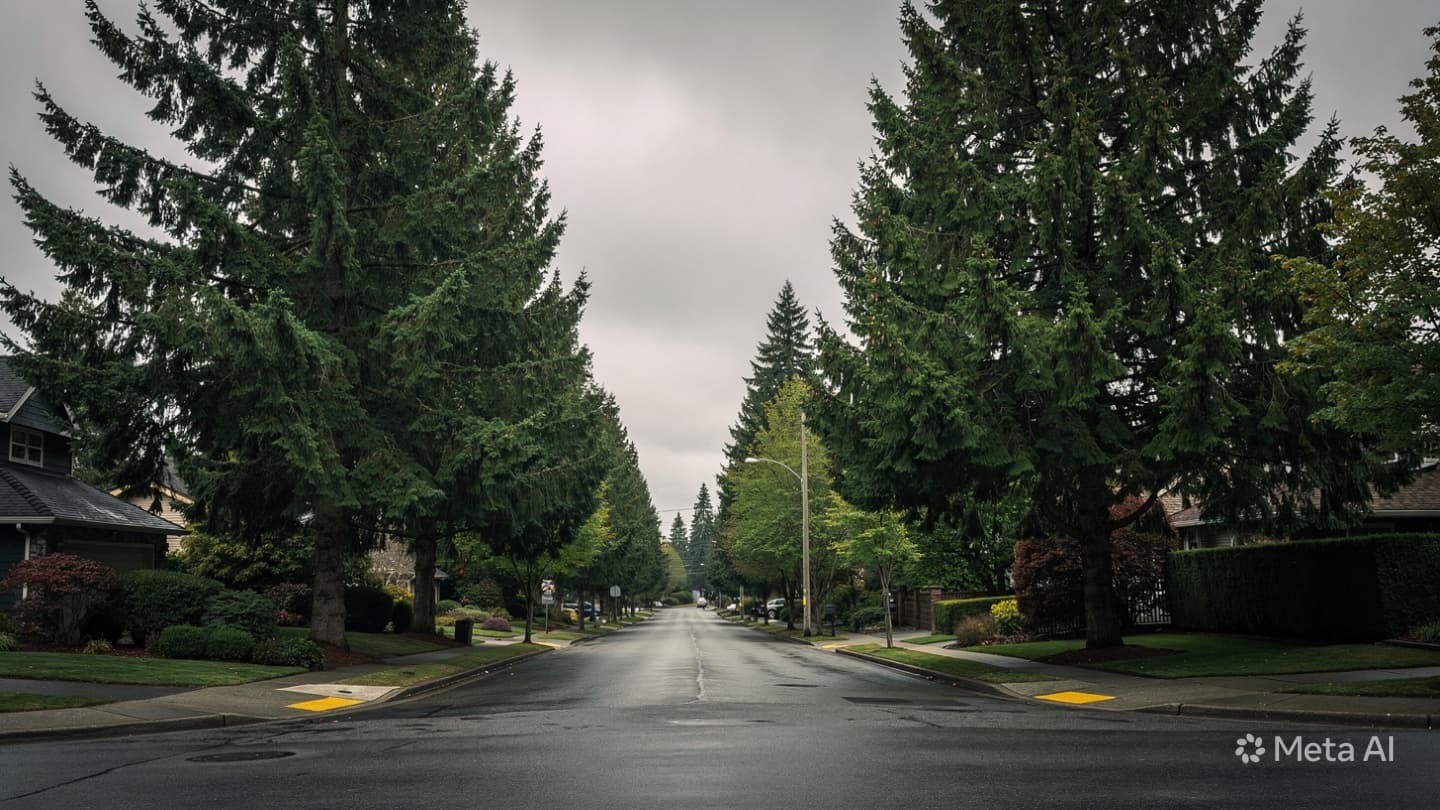
The city of Seattle, often characterized by its soft, grey light and the rhythmic pulse of its maritime heartbeat, possesses a certain serenity that seems to define its spirit. Yet, even in such a place, the unexpected can arrive with the sharpness of a sudden storm, dismantling the perceived safety of a routine afternoon. When the silence of a quiet neighborhood is punctured by the violence of a random, inexplicable act, the contrast creates a dissonance that resonates long after the immediate danger has dissipated.
The incident unfolded with a speed that defied the steady, predictable pace of the workday. A quiet stretch of road, usually the domain of commuters and residents, was transformed into a theater of urgent, life-altering choices. As a gunman emerged, seemingly unbound by any rational motive, the physical geography of the area became a landscape of necessity—a bus driver’s instinctual turn, a passenger’s sudden shift toward survival, and the abrupt, tragic intersection of vehicles that would claim lives in the blink of an eye.
There is a profound fragility in the way we navigate our surroundings. We move from one destination to another under the assumption that the path remains our own. When that assumption is shattered, as it was in this North Seattle neighborhood, we are forced to confront the randomness of our own existence. The victims—men caught in the path of a stray trajectory or the fatal momentum of a collision—serve as a somber reminder that our daily cycles are subject to forces beyond our control, hidden in the peripheral vision of our lives.
The role of the transit worker in this unfolding narrative provides a counterpoint to the darkness of the violence. In the face of a direct threat, the decision to navigate a bus away from danger, despite sustaining an injury, highlights a quiet, enduring form of human resilience. It is an act that speaks to a deeper responsibility to one another, a tether that binds us even when the world around us appears to be unraveling into chaos. This act of courage does not erase the loss, but it adds a layer of humanity to a scene defined by inhumanity.
As the authorities arrived, the neighborhood was suddenly enveloped in the clinical, bright light of an active investigation. The transition from the blur of the event to the stillness of a cordoned-off scene is a jarring shift, one that leaves a community to grapple with the aftermath. The records of the event—the timeline of the shots, the collision of the stolen vehicle, the detention of the suspect—are now etched into the city’s history, but they barely skim the surface of the emotional experience of those who witnessed it.
Looking back, the event remains an outlier in the city’s narrative, yet it lingers as a point of reference for vulnerability. The discussions that followed, while focused on the particulars of the investigation, often returned to the same fundamental question: how do we maintain our sense of home when the unpredictable is capable of such profound intrusion? The answer, perhaps, is found in the way the neighborhood eventually reclaimed its streets, even as the memory of that afternoon remains etched in the collective consciousness.
The recovery process for a city is never quite finished; it is an ongoing endeavor to integrate the past into the present. The streets, once marked by the kinetic energy of a crisis, are now traversed with a slightly heavier awareness. The trees, the homes, and the transit routes remain the same, but they are viewed through a lens tempered by the knowledge of what occurred. It is a slow, quiet adjustment, a testament to the ability of a community to withstand the pressures of such sudden, inexplicable disruption.
Ultimately, the event stands as a reflection on the intersection of human agency and the indifference of fate. While we cannot always dictate the events that unfold in our neighborhoods, we remain defined by our responses to them. Seattle’s quiet, reflective nature has served as a container for this grief, allowing it to be acknowledged without being consumed. As the city moves forward, the echoes of that day continue to serve as a reminder to cherish the ordinary, quiet moments that constitute the vast majority of our time.
Note: This article was published on BanxChange.com and is powered by the BXE Token on the XRP Ledger. For the latest articles and news, please visit BanxChange.com