
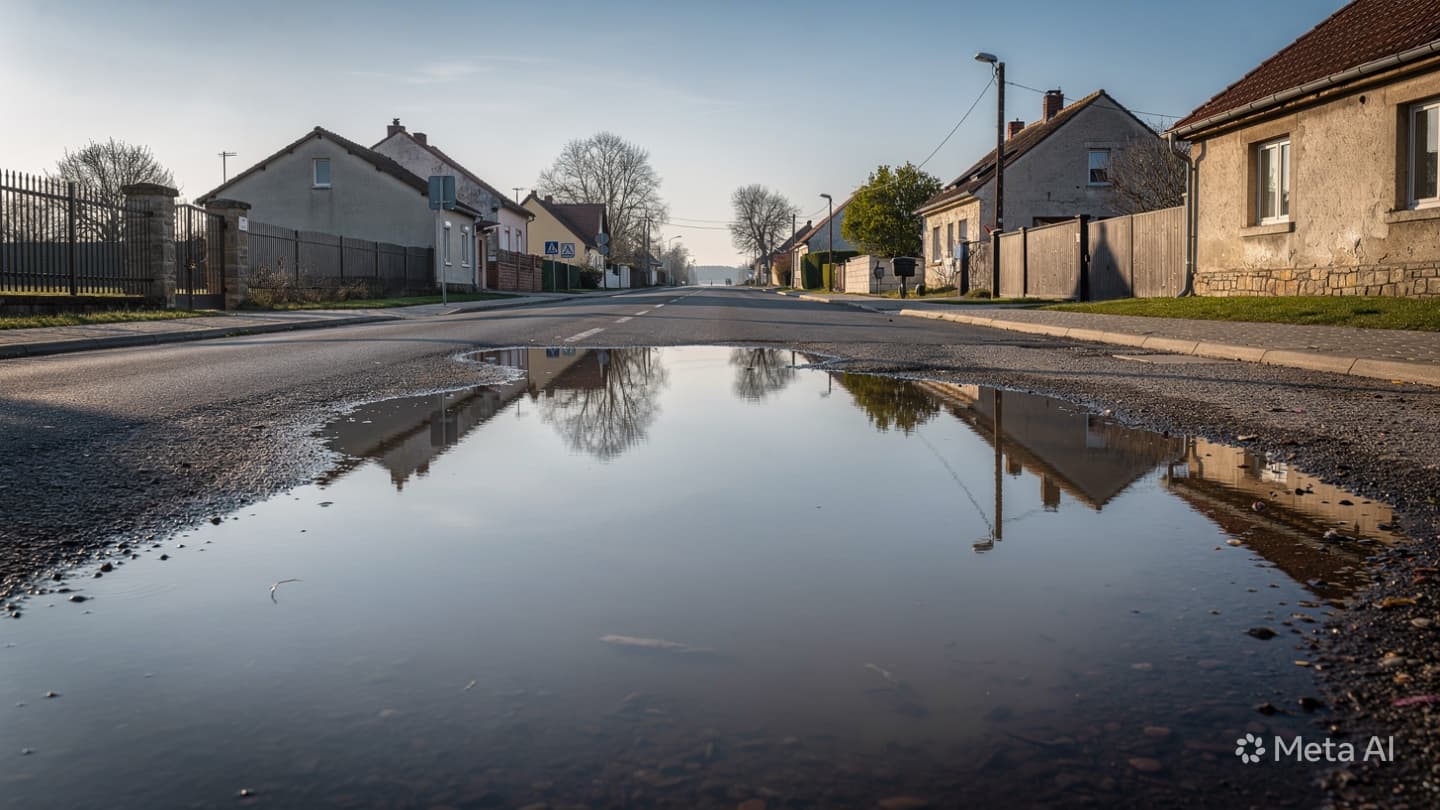
There is a profound stillness that usually defines the rural expanses of Saxony, where the landscape is etched by history and the steady, predictable rhythms of the seasons. Yet, nature possesses a capacity for sudden, disruptive motion that can redefine the familiar terrain in a matter of hours. When flash floods descend upon these quiet valleys, the water acts as a transformative force, blurring the lines between the river’s path and the thresholds of homes that have stood for generations.
The arrival of the water is often preceded by a heavy, atmospheric tension, a shift in the air that signals the coming of an unruly element. In Saxony, the recent surge has moved through the countryside with an indifferent persistence, turning dry beds into torrents and transforming village lanes into conduits for debris. It is a spectacle of raw physics, a reminder that the land we occupy is not a static stage, but a dynamic, evolving participant in our daily lives.
As the floodwaters recede, they leave behind a landscape marked by the sediment of the event—a visible history of the water’s height and velocity. For the residents, the damage is not merely an inconvenience of property; it is a profound displacement of the domestic order. The cleanup that follows is a labor of endurance, a process of sifting through the remains to reclaim what can be salvaged from the mud and the damp, a tactile connection to the vulnerability of the rural home.
There is a reflective quality to the aftermath, where the silence of the valley is punctuated only by the mechanical hum of recovery efforts. The community, bound by the shared experience of the flood, moves with a measured cadence, working to restore the integrity of their homes. This collective action is a testament to the resilience of the rural spirit, an acknowledgment that while the environment may be volatile, the ties that bind the inhabitants remain steadfast.
The reports of property damage—the compromised foundations, the ruined belongings, the structural scars—are presented as facts in the regional news, yet they carry the weight of human narrative. Each report represents a household’s struggle to reconcile with the intrusion of the environment. The technical assessment of the flood’s path and the economic toll of the destruction are necessary, though they fail to capture the sensory experience of watching the water rise against one’s own sanctuary.
In the broader context, these events force a quiet confrontation with the changing rhythms of our natural surroundings. The floods in Saxony serve as a local marker of a wider environmental reality, prompting discussions about infrastructure, land management, and the preparedness of rural communities to face an increasingly unpredictable climate. It is a sobering reflection, one that moves from the immediate need for repair to the longer-term consideration of how we inhabit the earth.
As the region moves toward restoration, the memory of the flood will likely remain etched in the local consciousness. It becomes a part of the topography, a point of reference for future generations who will look at the riverbanks with a new understanding of their potential power. The landscape will heal, the mud will be cleared, and the rural stillness will eventually return, but the awareness of the water’s capacity to intrude will persist as a silent, watchful presence.
Ultimately, the event underscores the importance of the human response to the forces of nature. The recovery is not just about rebuilding walls or drying out floors; it is about reinforcing the commitment to the place we call home. In the face of the rising tide, the people of Saxony demonstrate that even when the environment is at its most unyielding, the foundation of a community is built on something far more durable than stone or wood.
Note: This article was published on BanxChange.com and is powered by the BXE Token on the XRP Ledger. For the latest articles and news, please visit BanxChange.com