
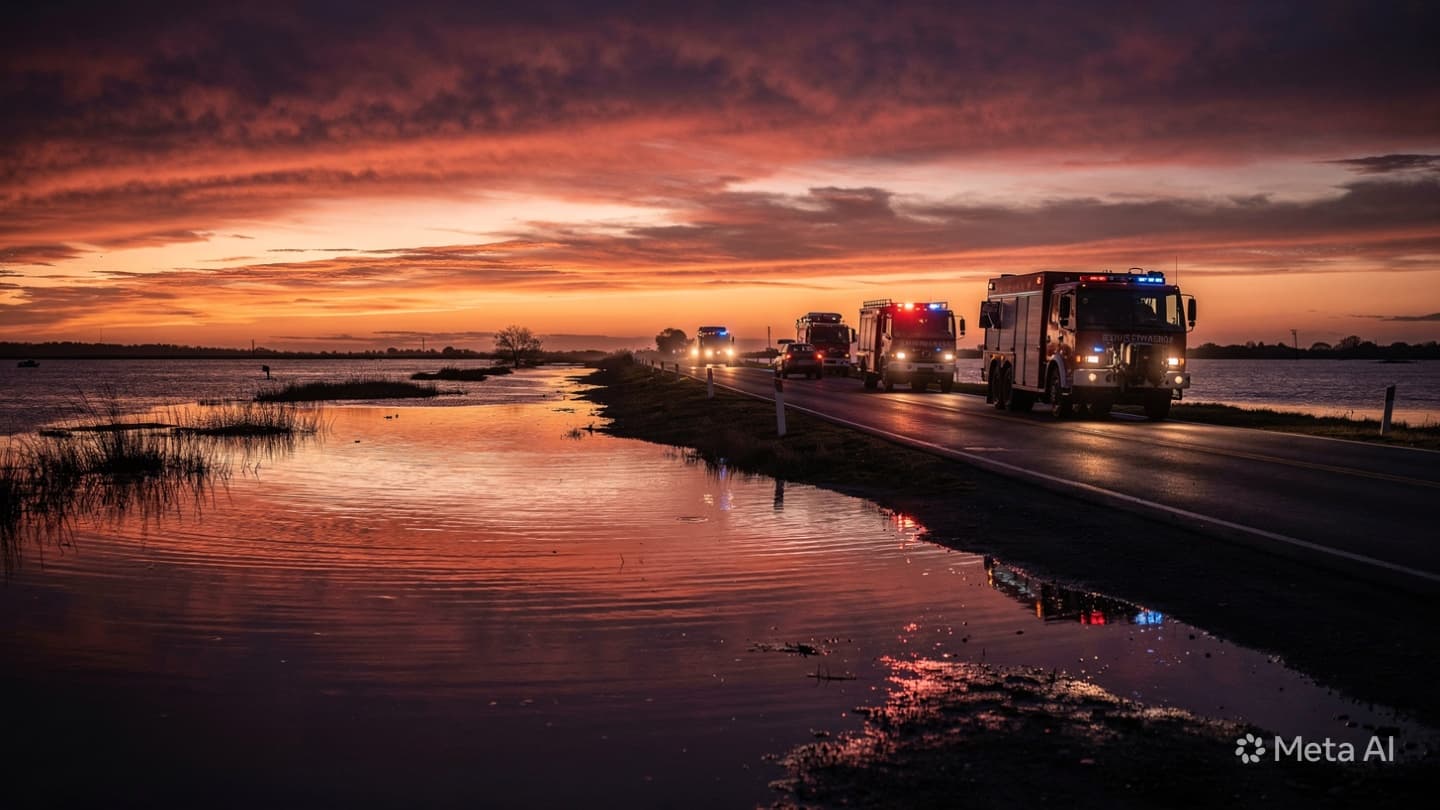
The horizon often holds the first warning, a subtle darkening of the sky that suggests a change in the air’s heavy, humid weight. In the quiet provincial reaches, life moves in concert with the seasons, a gentle cadence of agricultural labor and domestic rhythm that has persisted for generations. Yet, when the storms arrive with sudden, unyielding ferocity, that rhythm is abruptly shattered. The landscape transforms, and the familiar pathways that once connected neighbors now find themselves submerged, isolating homes and altering the very geography of daily existence.
As the deluge begins to recede, the aftermath reveals a world altered by the sheer force of water and wind. It is in this stillness, following the roar of the gale, that the true character of a community emerges. Emergency relief efforts, coordinated with quiet precision, begin to weave their way through the dampened terrain. These are not merely logistical operations; they are acts of profound human connection, as teams move through the mud and debris to ensure that no soul is left to face the restoration alone.
There is a particular atmosphere that settles over the affected regions, a mixture of exhaustion and a cautious, dawning hope. It is seen in the way neighbors share what little remains, a silent communication that transcends the need for spoken gratitude. The arrival of aid, whether it be food, temporary shelter, or medical support, acts as a bridge back to a semblance of normality. It is a slow, meditative process of reclaiming what was lost, layer by layer, as the community begins to breathe again.
In the eyes of those who have seen their belongings swept away, there is a deep, reflective stillness. It is the realization of how fragile the structures of our lives truly are when confronted by the elemental power of nature. Yet, this vulnerability is countered by the swiftness of the response from authorities and non-profit entities. The presence of rescue personnel, identifiable by their uniforms and their steady, practiced movements, provides a necessary anchor in the midst of the ongoing, fluid chaos.
The logistical challenge of reaching these remote areas is immense, yet the commitment to do so remains unwavering. Small boats navigate flooded lanes, and heavy vehicles traverse softened earth, each journey a testament to the importance placed on every individual life. These relief efforts are the physical manifestation of a collective promise—a vow that even in the most isolated provinces, no one will be forgotten when the rains stop and the work of rebuilding begins.
As the days turn, the focus transitions from the initial, frantic need for safety to the longer-term necessity of restoration. Aid depots are established, becoming hubs of quiet activity where the essential materials for survival are distributed with care. It is here that the human element of the crisis is most visible, as families gather to receive the basic necessities that will help them endure the weeks ahead. It is a scene of understated, resilient grace.
This period of recovery is a time for the community to look inward, to reflect on the stories of survival and the lessons learned from the storm. The damage to property is significant, yet the spirit of the people remains largely untouched, a core resilience that allows them to start again. It is an editorial reflection on the endurance of the human condition, even when the very foundations of the home have been tested by the elements.
Ultimately, the storm is but a chapter in the long narrative of the province. While the traces of the flood may linger on the walls of homes and in the memories of those who lived through it, the collective effort to rebuild ensures that the community will eventually find its rhythm once more. The relief efforts serve as the catalyst, a gentle push toward the future, reminding everyone involved that they are part of a larger, supportive whole.
ReliefWeb reports indicate that emergency aid has been mobilized across the provinces following severe storm damage that compromised regional infrastructure. Agencies, including the national disaster management bodies, have deployed teams to provide food, clean water, and hygiene kits to affected households. Current reports highlight that logistics are being prioritized to reach the most isolated villages, where flood waters have restricted movement. Officials confirm that health screening protocols are being implemented at relief sites to prevent the spread of waterborne illnesses, while infrastructure assessments are underway to plan for the eventual repair of damaged communal spaces and transport routes.
Note: This article was published on BanxChange.com and is powered by the BXE Token on the XRP Ledger. For the latest articles and news, please visit BanxChange.com