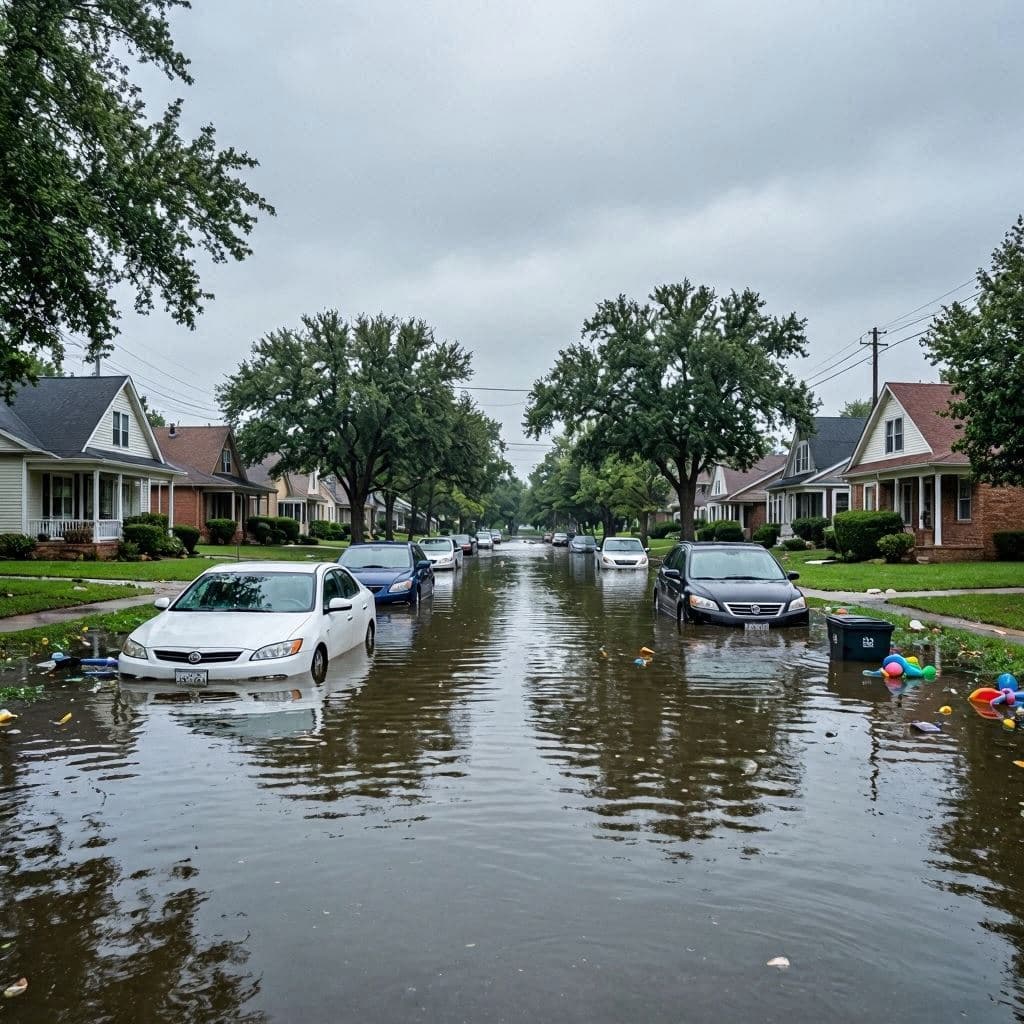
Rain, in its gentlest form, is a nourisher of life, but when it arrives with unrelenting force, it transforms the familiar landscape into a challenge. In Massachusetts, recent severe storms have brought downpours that overwhelmed drainage systems and swelled rivers, leaving many roads impassable. The water rose quickly, turning commuter routes into shallow lakes and isolating neighborhoods. This event serves as a humbling reminder of nature’s power and the vulnerability of even well-developed infrastructure to the whims of weather.
The storms moved through the state with intensity, dumping inches of rain in a matter of hours. Local emergency management agencies reported numerous closures of major highways and local streets, particularly in low-lying areas. Drivers found themselves stranded or forced to seek alternative routes, causing significant delays and disruption to daily routines. The suddenness of the flooding caught many off guard, highlighting the difficulty of predicting localized weather impacts.
First responders worked tirelessly to assist those trapped in vehicles or homes. Fire departments and police units coordinated efforts to pump out water from basements and clear debris from roadways. Their dedication in the face of hazardous conditions underscores the resilience of community services. For many residents, the sight of emergency lights reflecting off floodwaters became a symbol of both danger and hope.
The impact on transportation was immediate and widespread. Public transit systems experienced delays, and school buses were unable to reach certain stops. Commuters faced lengthy detours, adding stress to an already chaotic day. The economic ripple effects, though difficult to quantify immediately, include lost productivity and increased wear on vehicles navigating rough conditions.
Climate experts note that such intense rainfall events are becoming more frequent in the Northeast. Warmer air holds more moisture, leading to heavier downpours when storms develop. This trend challenges existing infrastructure, which was often designed for historical weather patterns rather than current realities. Adaptation strategies, such as improved drainage and green infrastructure, are increasingly seen as necessary investments.
Community response has been characterized by neighborly aid. Residents helped push stalled cars, shared sandbags, and checked on elderly neighbors. Social media platforms buzzed with real-time updates on road conditions, fostering a sense of collective awareness. These small acts of kindness mitigate the frustration of displacement and reinforce social bonds during crises.
As the waters begin to recede, the focus shifts to cleanup and assessment. Damage to roads and private property will require time and resources to repair. Insurance claims are expected to rise, and local governments will evaluate the effectiveness of their emergency responses. The experience offers valuable lessons for future preparedness.
The flooding in Massachusetts is a stark reminder of the need for vigilance and adaptation in the face of changing weather patterns. As communities recover, the emphasis remains on safety and resilience. While the roads may dry, the memory of the storm serves as a prompt for ongoing improvement in infrastructure and emergency planning.
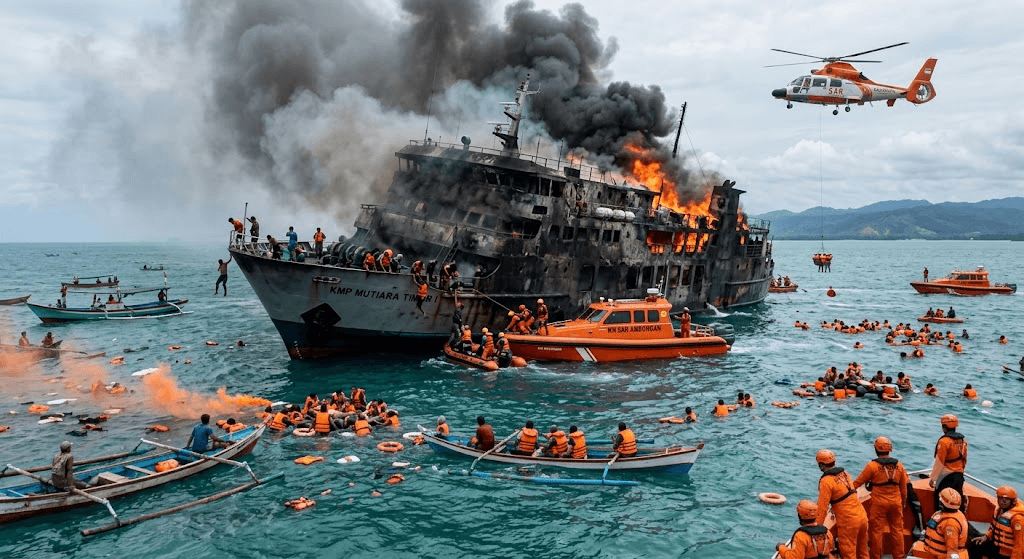
AI Image Disclaimer: The visuals accompanying this article are AI-generated illustrations designed to represent the themes of urban flooding and emergency response.
Sources: Boston Globe, WBZ-TV, National Weather Service, Mass.gov
Note: This article was published on BanxChange.com and is powered by the BXE Token on the XRP Ledger. For the latest articles and news, please visit BanxChange.com