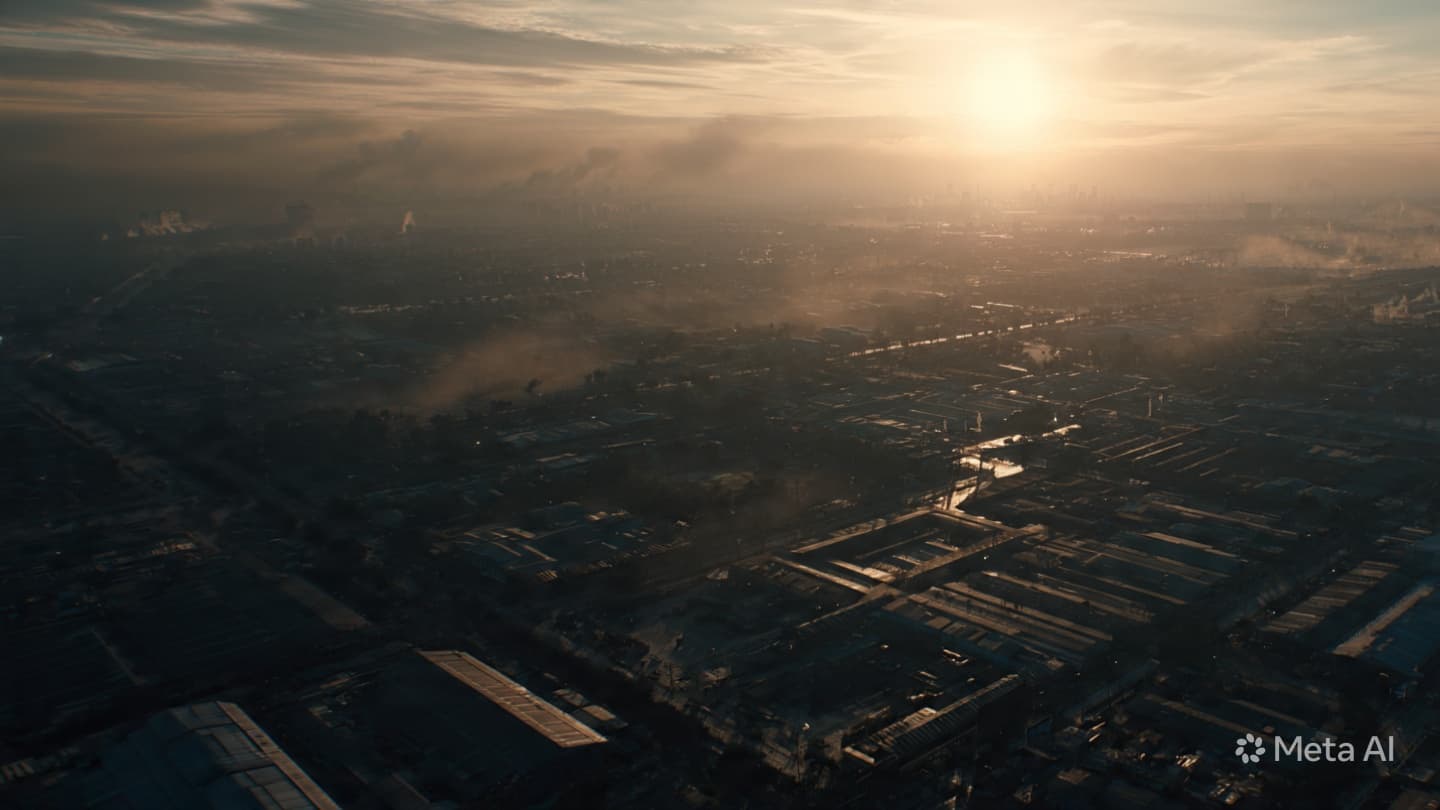
The industrial landscape of Samut Prakan often hums with a relentless, rhythmic vitality, where the machinery of global production meets the tireless efforts of laborers from across the border. It is a place where lives intersect in the shared pursuit of livelihood, their narratives woven into the sprawling tapestry of warehouses and manufacturing hubs. Yet, within this dense atmosphere of constant motion and productivity, there exist fragile, invisible boundaries—tensions that can, in an instant, erupt and leave a permanent void where there was once only the promise of a steady wage.
A tragedy recently unfolded in this setting, a reminder of how quickly the mundane can descend into the irreparable. A Myanmar national, working alongside his peers in the common environment of the industrial district, was subjected to an act of extreme violence, resulting in his death. The incident, marked by profound physical cruelty, has left a heavy shadow over the community of workers who share these spaces. It is a moment that demands not just a legal reaction, but a period of reflection on the isolation and pressures that often define the lives of migrant laborers in foreign territories.
Authorities were alerted to the scene, arriving to find the remnants of a confrontation that had escalated far beyond the typical grievances of a workplace. The physical evidence spoke of a struggle that was both intense and deeply personal, a jarring contrast to the orderly, predictable workflow of the manufacturing facility. As investigators began their work, they navigated the complexities of witness accounts and the social dynamics that often govern these tight-knit expatriate circles. It is a delicate process, stripping back the layers of a conflict to find the sequence of events that led to such a finality.
The suspect, a co-worker who had walked the same paths and shared the same daily routines, now faces the weight of a legal system that must reconcile this brutal act. The narrative that emerges is not one of organized crime, but of individual human volatility—a sudden, unspooling of restraint that destroyed two lives in a singular, violent moment. For those who observed the aftermath, the tragedy underscores a vulnerability that is often overlooked in the statistical analyses of regional labor and migration.
In the days following the event, the workplace has quieted, though the underlying unease remains palpable. The authorities have maintained a presence, ensuring that the process of justice is conducted with transparency and adherence to the law. This is the structural necessity of the situation—the need to move from the chaotic immediacy of the act to the calm, reasoned environment of the courtroom. It is a transition that serves both the community and the memory of the one who was lost, providing a definitive, if painful, conclusion to a chaotic chapter.
The broader perspective on this event reflects the challenges of a transient workforce, where social support systems are often strained and the weight of displacement can intensify personal disputes. When the structure of home is replaced by the anonymity of a factory floor in a neighboring country, the pressures of existence take on a different, more acute form. The authorities are left to grapple with these complexities, aiming to ensure that such occurrences do not become a common thread in the fabric of the industrial landscape.
As the legal proceedings advance, the focus narrows to the specificities of the crime, yet the shadow of the tragedy continues to linger over the district. It serves as a stark, sobering reminder of the humanity that is both the engine and the casualty of regional labor. The goal of the investigation is to provide an account that is both complete and objective, allowing for a resolution that respects the gravity of the loss and the demands of justice.
The life taken was one of many that contribute to the regional economy, a story of an individual who journeyed across a border in search of a better future. That journey has now ended in a way that none could have anticipated, leaving behind a silence that speaks louder than any official report. The investigation continues, guided by the principles of law, as Samut Prakan slowly turns its attention back to the hum of its machines, forever marked by the memory of what occurred within its walls.
According to reports from law enforcement in Samut Prakan, Thailand, a Myanmar national was killed following a violent altercation with a co-worker. Authorities stated that the victim was beaten and burned, with the suspect subsequently taken into custody to face murder charges. The police are currently conducting a forensic investigation to finalize the case files for the judiciary. The incident has prompted discussions regarding worker safety and social conflicts within the migrant labor community in the industrial sector.
Published by Banx Network. This article is part of the Banx decentralized media programme, powered by the BXE token on the XRP Ledger.