
Sometimes a public health initiative arrives not as a quiet precaution, but as a storm cloud on a distant horizon, drawing concern long before its full shape becomes clear. In central Kenya, a proposal tied to international disease preparedness has become the center of a growing national debate, blending questions of public safety, sovereignty, and trust.
The controversy centers on plans for a U.S.-backed Ebola quarantine facility near Laikipia Air Base in Nanyuki. The project is intended to temporarily house and monitor individuals exposed to Ebola, particularly American citizens and personnel operating in regions affected by outbreaks. However, many local residents have voiced strong objections to the proposal.
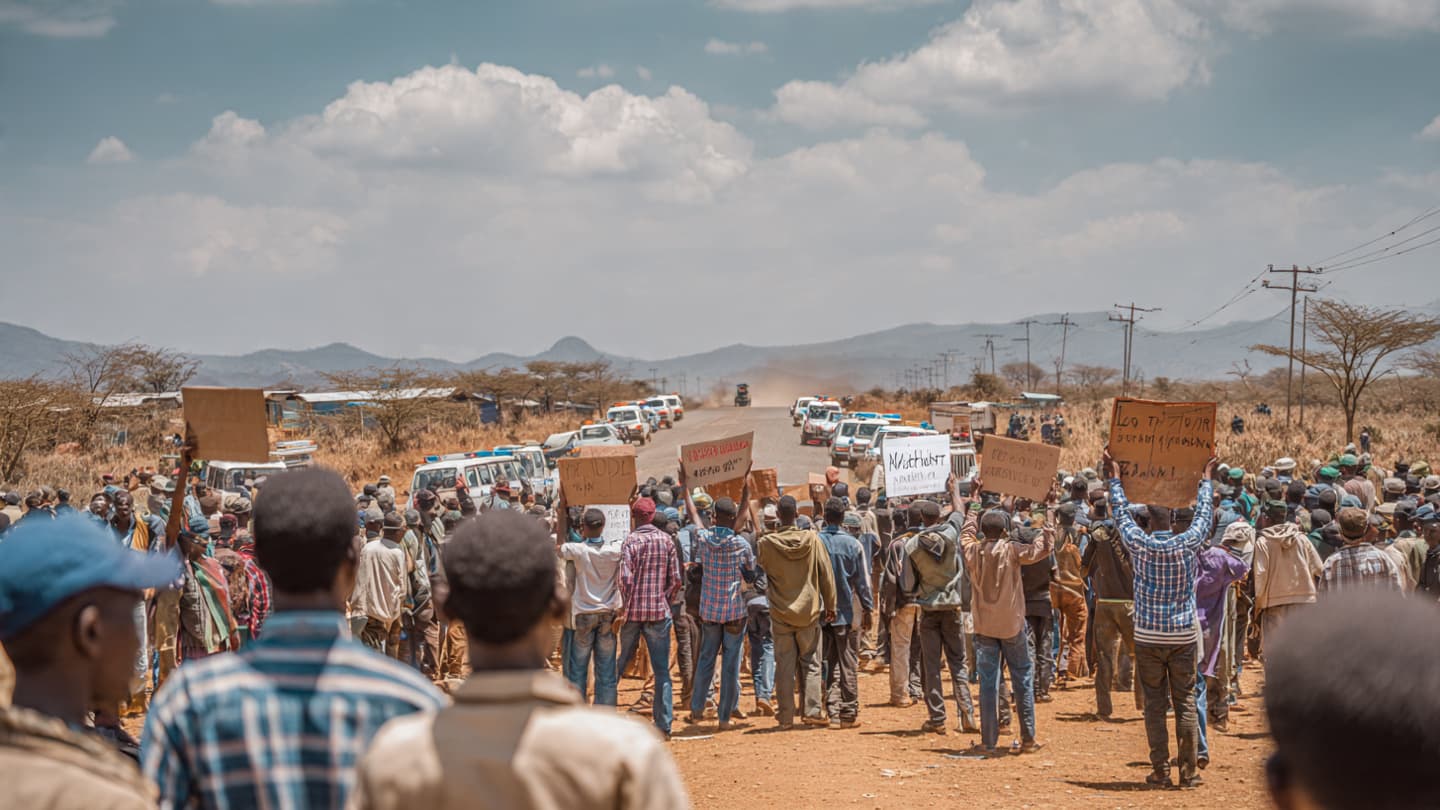
Tensions escalated when hundreds of demonstrators gathered in Nanyuki to protest the project. Protesters blocked roads, burned tires, and marched toward the military facility, arguing that Kenya should not bear risks associated with a disease that has not been detected within its borders.
During the unrest, two people were killed. Protest organizers and security sources confirmed the deaths, though the precise circumstances remain under investigation. Reports indicate that both victims suffered gunshot wounds amid clashes involving protesters and security forces.
The proposed facility has become a subject of legal scrutiny as well. Kenya's High Court previously issued orders temporarily halting construction and operation of the center while additional reviews and disclosures regarding agreements with the United States take place.
Supporters of the project argue that quarantine facilities are an important part of global preparedness against infectious diseases. They note that Kenya has extensive experience handling regional health emergencies and maintaining public health surveillance systems.
Critics, meanwhile, contend that the arrangement raises questions about fairness and transparency. Some residents have expressed concern that individuals potentially exposed to Ebola should be quarantined in the United States or in facilities closer to their points of origin rather than in Kenya.
Kenyan President William Ruto has defended the initiative, describing it as part of a broader preparedness framework rather than an exceptional arrangement. He has urged citizens to view the project through the lens of international cooperation and public health readiness.
As investigations into the deaths continue, the dispute highlights the delicate balance between global health cooperation and local public confidence. The project remains suspended pending further legal proceedings, while debate over its future continues across Kenya.
AI Image Disclaimer: Any accompanying visual has been generated using AI technology and serves only as an illustrative representation of the reported events.
Sources (Verification Check): Reuters, Euronews, BBC, The Guardian, Associated Press
Note: This article was published on BanxChange.com and is powered by the BXE Token on the XRP Ledger. For the latest articles and news, please visit BanxChange.com