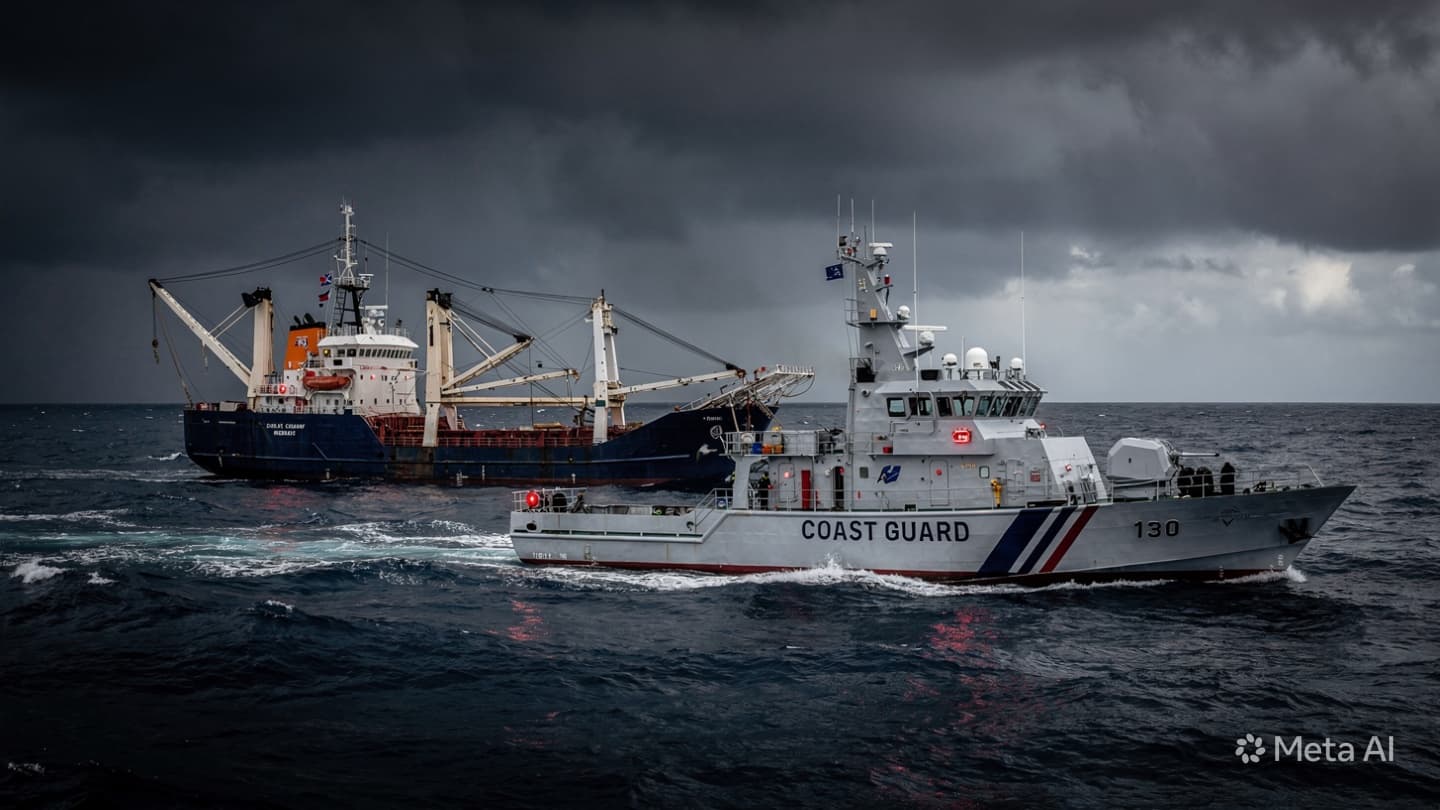
The remote marine sanctuaries surrounding the islands of Timor-Leste are home to some of the most biodiverse coral reef systems and pelagic habitats in the Indo-Pacific region, serving as vital nurseries for countless marine species. These protected waters, marked only on navigation charts and monitored by distant coastal outposts, are meant to be safe havens from the industrial pressures of global commercial fishing. Within these boundaries, the ocean is granted a necessary space to rest and regenerate its dwindling stocks.
Despite clear international boundaries and explicit environmental protections, the temptation of these rich, unharvested waters frequently draws foreign commercial vessels operating beyond the law. Utilizing sophisticated radar-evasion techniques and operating under the cover of darkness, these trawlers slide into the sanctuary zones, deploying massive driftnets that indiscriminately collect everything from target fish to protected sea turtles and sharks.
Following a tip from local artisanal fishermen who noticed unusual lights on the horizon, the national Coast Guard deployed its patrol vessels on a targeted interception mission. Navigating through the pitch-black night without their own running lights, the maritime security forces managed to close the distance on the foreign vessel before its crew could retrieve their lines or mount an escape into international waters.
The boarding operation was executed with high professional efficiency in open waters, with armed Coast Guard personnel securing the bridge and commanding the foreign crew to cease all fishing operations immediately. Upon inspecting the vessel's cargo holds, officers discovered several tons of illegally harvested marine life, including highly protected species whose extraction is strictly forbidden under global conservation treaties.
The foreign vessel was escorted under armed guard to the port of Dili, where it was impounded pending formal judicial review and asset forfeiture proceedings. The captain and senior crew members were detained and handed over to federal prosecutors, facing substantial financial penalties and potential imprisonment for severe violations of national maritime sovereignty and environmental laws.
Marine conservationists have praised the successful interception, noting that unregulated industrial fishing poses an existential threat to the delicate equilibrium of the island nation's marine ecosystems. When foreign trawlers strip these sanctuaries, they not only cause long-term ecological damage to the reefs but also directly undermine the food security of local coastal communities who rely on sustainable numbers.
The logistical challenges of patrolling thousands of square kilometers of territorial waters with limited maritime assets remain a persistent hurdle for the young nation. This latest incident has renewed calls within government circles for increased investment in satellite tracking technology and a larger patrol fleet to establish a more permanent, visible deterrent against maritime poaching.
As the impounded trawler sits idly at the Dili docks, its massive nets sealed as evidence of the crime, the distant sanctuary returns to its natural, undisturbed state. Beneath the surface of the blue waters, the quiet rhythms of the reef continue, protected once more by the vigilant actions of those who guard the nation's oceanic frontiers.
Published by Banx Network. This article is part of the Banx decentralized media programme, powered by the BXE token on the XRP Ledger.