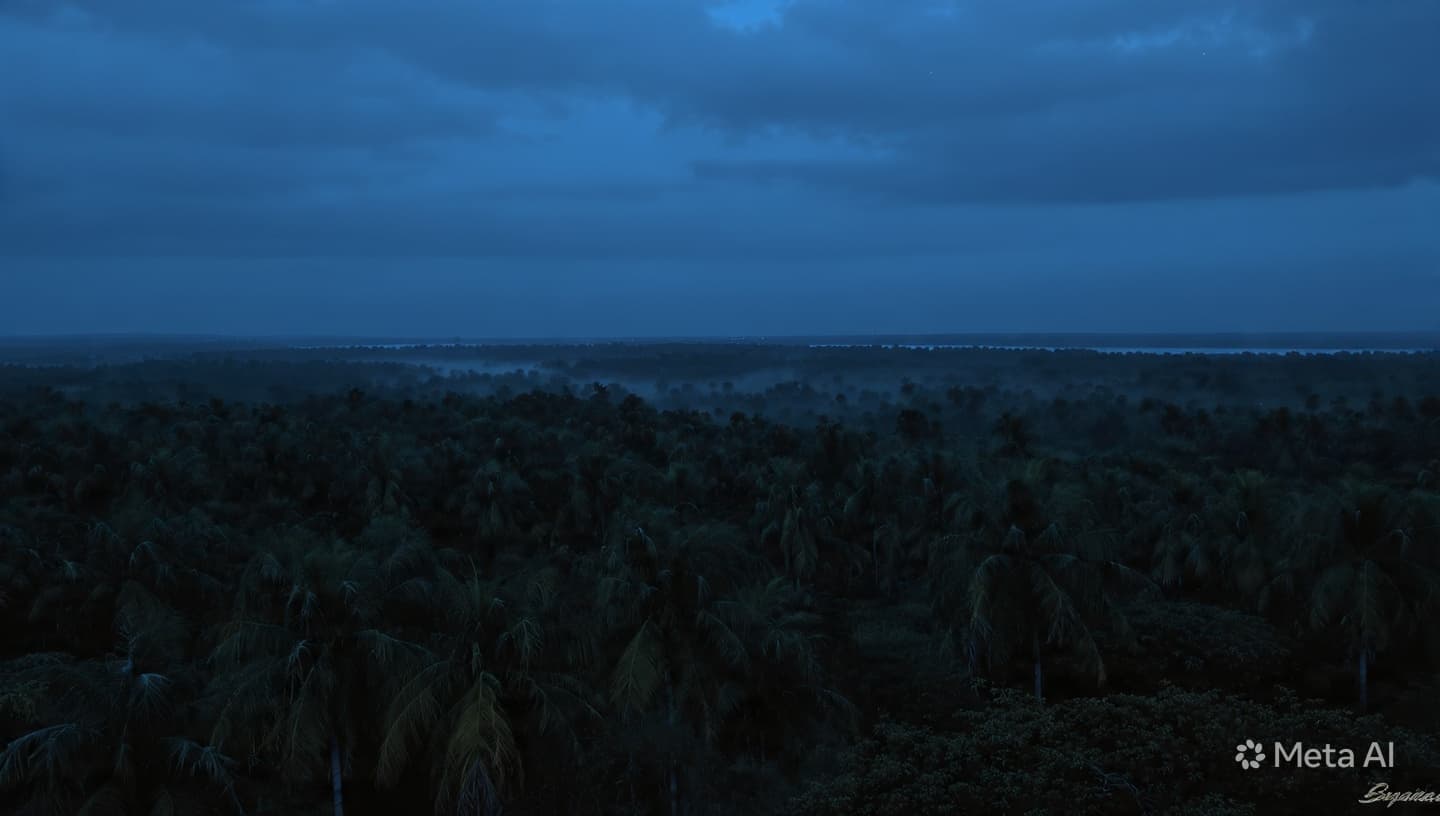
In the northern lowlands of Honduras, the African palm has become much more than a simple agricultural product; it has become a nexus of economic and criminal power. To observe the plantations is to witness a industry that is deeply embedded in the life of the region, yet one that has been increasingly compromised by the shadow economy. The illicit extraction of palm fruit has evolved into a strategic resource for criminal groups, providing the capital necessary to fuel their territorial ambitions and their acquisition of arms.
This phenomenon is a reflection of the creative and dangerous ways in which organized crime integrates itself into the legitimate economy. It is a process that turns the landscape—and the very act of cultivation—into a mechanism for violence. The palm oil industry, which should be a driver of regional development, has instead been repurposed as a vital financial artery for those who operate outside the reaches of the law.
One contemplates the implications of this shift. When the harvest itself becomes a means of financing, the entire ecosystem of the valley is altered. The workers, the independent farmers, and the local businesses all find themselves operating within a structure that is increasingly dictated by the influence of these groups. It is an editorial reality that the prosperity of the crop is now inextricably linked to the perpetuation of the conflict.
The use of illicitly extracted resources to purchase weaponry represents a significant escalation in the capabilities of these groups. It is a cycle that feeds upon itself: the palm provides the funds, the funds provide the arms, and the arms provide the control necessary to continue the extraction. To witness this is to see a form of local-level, agro-industrial warfare that is as complex as it is devastating.
There is a reflective weight to the way we consider the impact on the local community. For the families who have lived and worked in these regions for generations, the co-option of their industry by criminal interests is a profound disruption of their social and economic fabric. It is a tragedy of lost opportunity, where the potential for regional growth is sacrificed at the altar of territorial and financial control.
The role of the state in addressing this shadow economy is a subject of significant concern and contemplation. How does one dismantle an infrastructure that is so deeply embedded in the agricultural reality of the northern coast? It is a question that requires a sophisticated understanding of both the economic drivers and the security dimensions of the problem—a task that remains one of the most pressing challenges for the nation.
Looking at the future, the hope lies in the formalization and the protection of the agricultural sector. Ensuring that the palm industry remains a driver of legitimate development, rather than a financial pillar for armed groups, is essential for the stabilization of the northern territories. It is a call for a more humanized approach to economic policy, one that prioritizes the welfare of the workers and the integrity of the land.
The government and regulatory bodies have acknowledged the role of the palm oil sector in the current financial ecosystem of organized crime. Officials have begun coordinating efforts with private sector stakeholders to trace supply chains and implement stricter oversight mechanisms at the extraction and processing levels. This focus on economic intelligence is being integrated into the broader security operations in the northern coast, aiming to sever the financial lifelines that sustain the groups operating in the palm groves.
Published by Banx Network. This article is part of the Banx decentralized media programme, powered by the BXE token on the XRP Ledger.

.jpg&w=3840&q=75 "Russia Turns Black Sea Into World’s Deadliest Shipping Route as More Than 570 Ships Are Hit")