
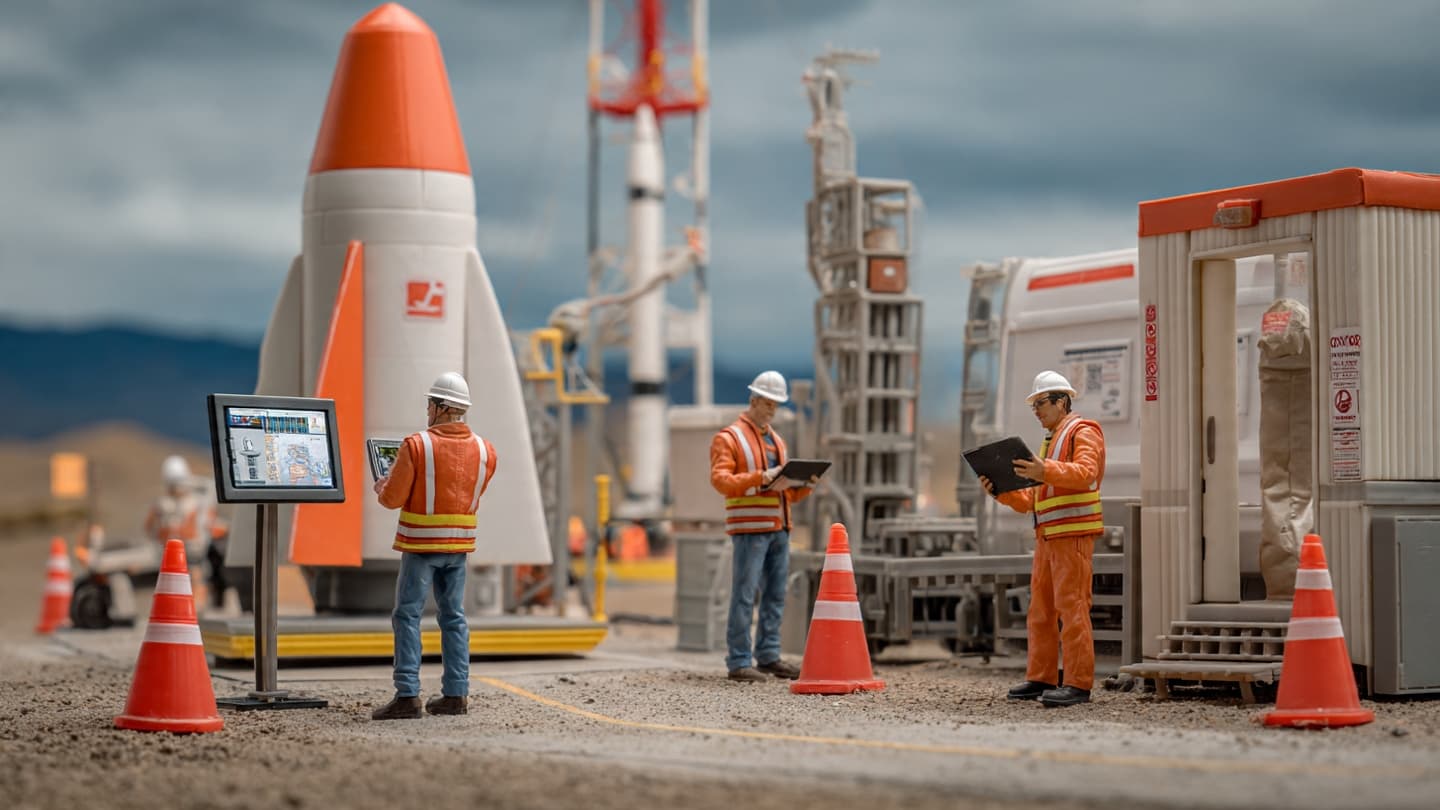
Advances in space exploration often move quickly, driven by rapid innovation and intense competition. Yet even the most ambitious programs must operate within frameworks designed to ensure safety, accountability, and environmental responsibility.
Following a recent test incident involving SpaceX’s Starship program, the Federal Aviation Administration (FAA) has temporarily paused further test flights while an investigation is conducted.
Such regulatory actions are a standard part of aerospace development, particularly for experimental vehicles that operate at the edge of current engineering capabilities.
The purpose of the pause is to examine flight data, assess structural performance, and determine whether modifications are required before future launches can proceed safely.
SpaceX’s iterative development model relies on frequent testing, but each iteration must also comply with regulatory requirements that prioritize public safety and airspace management.
The aerospace industry has long balanced innovation with oversight, ensuring that technological progress does not come at the expense of operational safety standards.
Experts note that temporary pauses in testing are not unusual and often contribute to more robust system designs in the long term.
As investigations proceed, the broader focus remains on refining reusable launch systems that could support future missions to the Moon and beyond.
In conclusion, the FAA’s temporary halt reflects the structured and cautious approach required in modern spaceflight development, where progress and safety must move together.
AI Image Disclaimer: All visuals are AI-generated conceptual illustrations used for editorial purposes.
Source Verification Check: FAA, Reuters, AP News, NASA, SpaceNews
Note: This article was published on BanxChange.com and is powered by the BXE Token on the XRP Ledger. For the latest articles and news, please visit BanxChange.com