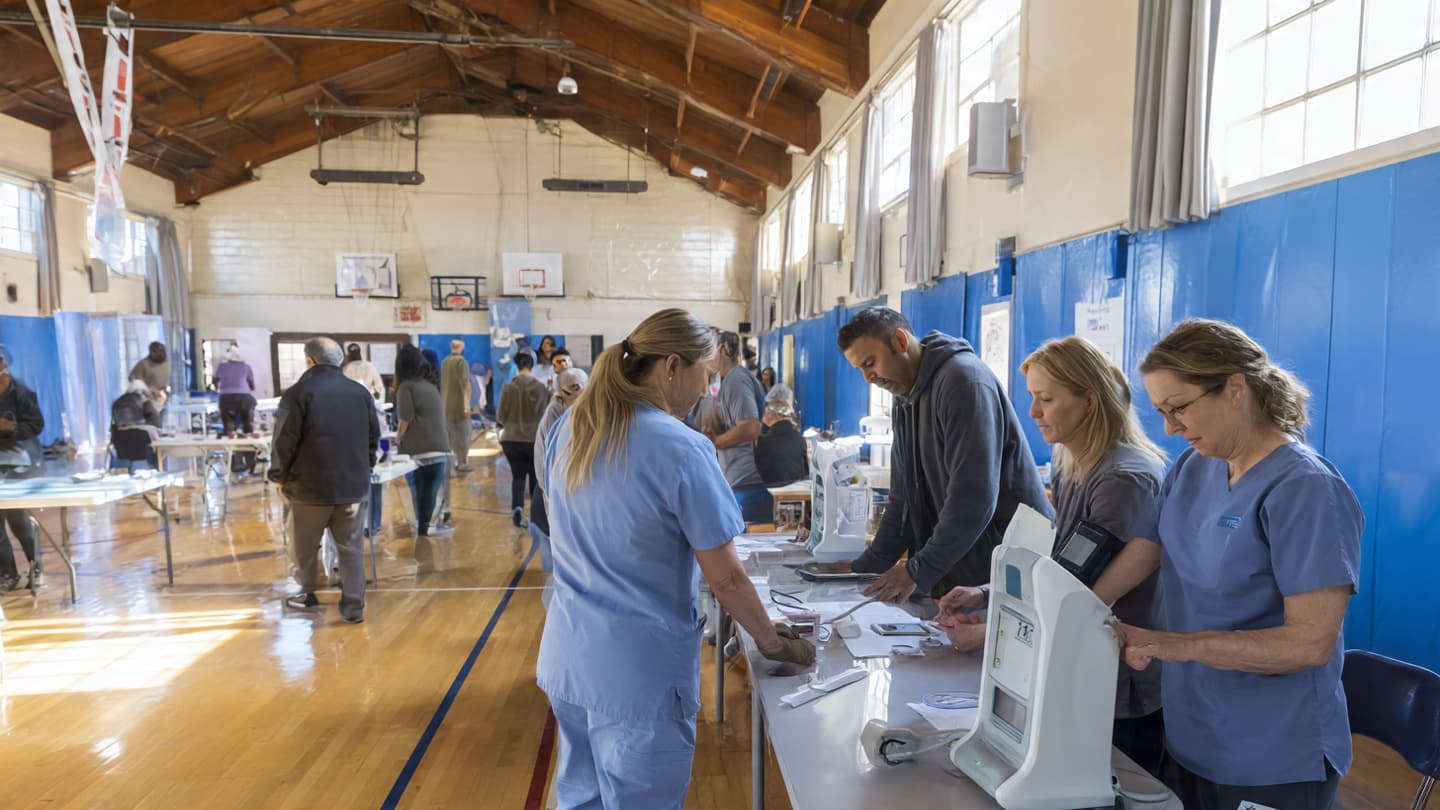
Healthcare often receives the most attention during moments of crisis. Hospitals become busier, medical professionals work tirelessly, and communities focus on immediate needs. Yet many health experts argue that the greatest improvements in public well-being occur long before patients enter treatment rooms. Across the United States, renewed attention is being directed toward preventive healthcare, reflecting a growing belief that healthier futures begin with earlier action.
Preventive care encompasses a broad range of initiatives, including screenings, vaccinations, health education, and lifestyle support programs. These efforts aim to identify risks early and reduce the likelihood of more serious health challenges developing later. By shifting focus toward prevention, healthcare systems hope to improve outcomes while reducing long-term costs.
Technology is becoming an increasingly important tool in this effort. Digital health platforms, wearable devices, and remote monitoring systems allow individuals and healthcare providers to track important health indicators in real time. Such tools can support earlier intervention and more personalized care.
Public health organizations continue emphasizing the value of community engagement. Educational campaigns, local partnerships, and outreach initiatives help connect healthcare resources with populations that may otherwise face barriers to access. Building trust remains an essential part of these efforts.
Medical researchers are also exploring new ways to identify risk factors before symptoms emerge. Advances in data analysis and predictive technologies may help healthcare professionals better understand patterns that contribute to disease development, creating opportunities for earlier and more effective intervention.
The economic implications of preventive care are substantial. Healthier populations often experience lower healthcare costs, improved productivity, and stronger overall quality of life. As a result, many policymakers view prevention as both a health priority and an economic investment.
Workplace wellness programs have become another area of focus. Employers increasingly recognize that supporting employee health can contribute to better outcomes for both workers and organizations. Programs addressing nutrition, physical activity, and mental well-being continue gaining popularity.
Challenges remain, including disparities in access to healthcare and the need for sustained public engagement. Preventive strategies often require long-term commitment, making consistent participation and support essential to achieving meaningful results.
As healthcare systems continue evolving, preventive care is likely to play an increasingly prominent role. By focusing on wellness, early detection, and proactive intervention, health organizations hope to create a future in which better outcomes begin long before illness takes hold.
AI Image Disclaimer Graphics are AI-generated and intended for representation, not reality.
Source Check Reuters Associated Press Bloomberg CDC The New York Times
Published by Banx Network. This article is part of the Banx decentralized media programme, powered by the BXE token on the XRP Ledger.


.jpg&w=3840&q=75 "Qantas Grounds Plane After Passengers Report Bedbug Bites")