
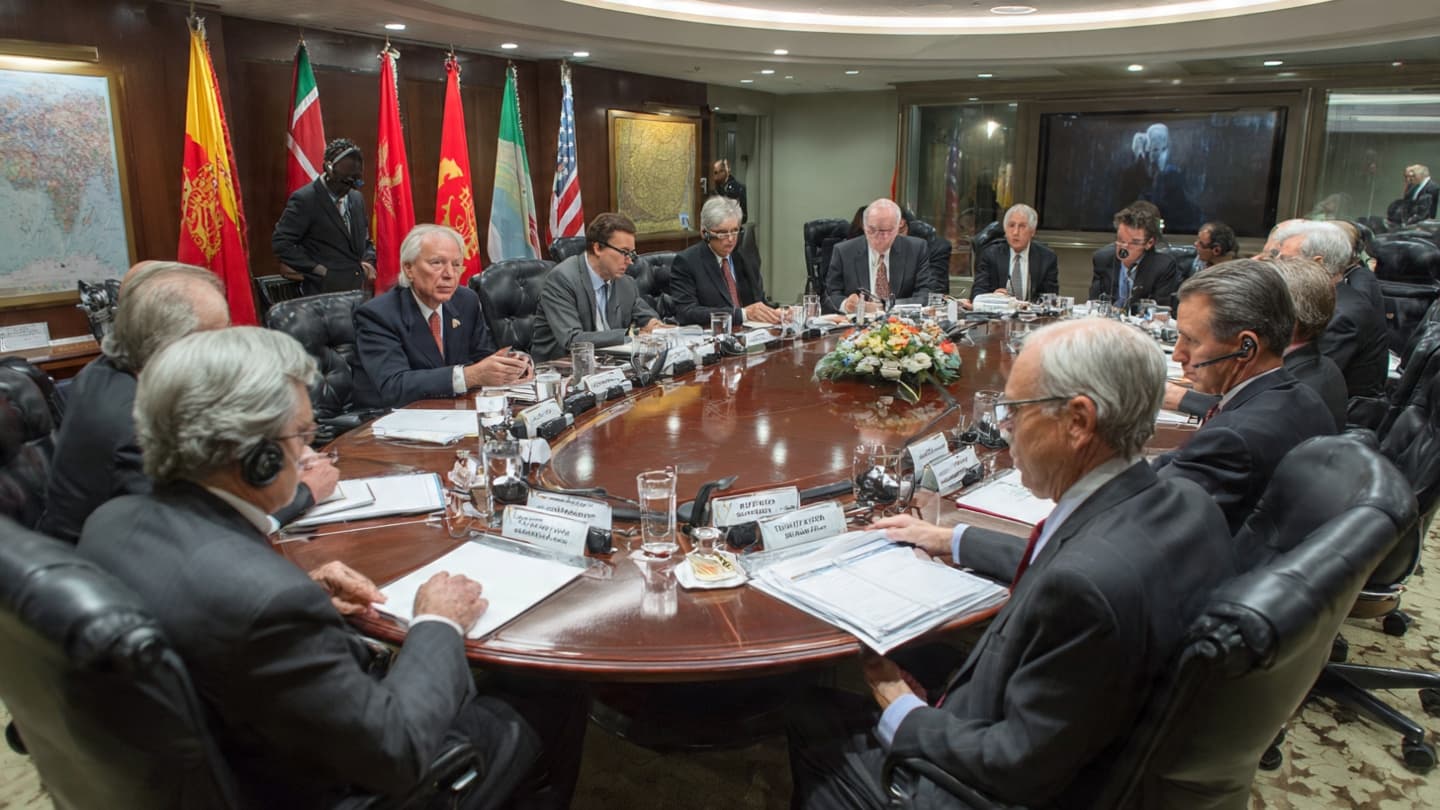
There are times when diplomacy resembles the construction of a bridge across a restless river. Each plank requires patience, every step demands trust, and even a small disturbance can threaten months of careful work. Such was the atmosphere surrounding the peace efforts between the United States and Iran, where negotiators reportedly came close to seeing their progress unravel amid renewed regional tensions.
The negotiations emerged after an extended period of confrontation that had raised fears across the Middle East and beyond. Governments, businesses, and international organizations watched closely as events unfolded, aware that any escalation could carry consequences far beyond the immediate participants. Against this backdrop, diplomatic channels became increasingly important as both sides searched for a path away from conflict.
Reports from multiple international media organizations suggested that the process encountered significant obstacles during its final stages. While discussions had advanced toward a framework aimed at reducing hostilities, disagreements regarding security concerns and regional dynamics continued to create uncertainty. The atmosphere remained fragile even as negotiators worked to preserve momentum.
Particular attention focused on Israel’s position throughout the process. Prime Minister Benjamin Netanyahu maintained that Israel’s security considerations could not be separated from any broader regional arrangement involving Iran. Israeli officials repeatedly emphasized that they would continue evaluating developments through the lens of national defense and strategic stability.
These concerns contributed to a period of heightened uncertainty during the negotiations. Observers noted that diplomatic breakthroughs in the Middle East often involve multiple stakeholders whose interests do not always align. As a result, even agreements negotiated between two governments can be influenced by the calculations and concerns of neighboring states.
American officials continued pressing for a framework that would reduce immediate tensions while creating opportunities for future discussions. Their approach reflected the belief that preventing escalation represented an important first step toward addressing more complex issues. Maintaining diplomatic momentum became a central objective as negotiations entered their most delicate phase.
Iranian representatives likewise expressed support for continuing dialogue despite the challenges. Officials in Tehran argued that diplomacy offered the best opportunity to avoid a cycle of confrontation that could destabilize the region. At the same time, they remained cautious regarding proposals that touched upon broader security and strategic questions.
Analysts observed that the difficulties encountered during the talks highlighted the complicated realities of Middle Eastern diplomacy. Historical grievances, security concerns, and competing regional interests often intersect in ways that make even limited agreements difficult to achieve. The near-collapse of the process therefore underscored how fragile diplomatic progress can be.
Despite these challenges, negotiators ultimately managed to keep discussions moving forward. The ability of all sides to continue engaging rather than abandoning the process altogether was viewed by many observers as a significant achievement. While disagreements remained, the commitment to dialogue prevented a return to immediate confrontation.
As attention now shifts toward implementation and future negotiations, the episode serves as a reminder that peace agreements are rarely built in a straight line. They advance through moments of progress, hesitation, and renewed effort. In this case, diplomacy appears to have survived one of its most difficult tests, though the long-term durability of the agreement will continue to depend on the willingness of all parties to remain engaged.
AI IMAGE DISCLAIMER:
Illustrations were produced with AI and serve as conceptual depictions.
SOURCES:
Reuters AFP The Guardian BBC News Al Jazeera
Note: This article was published on BanxChange.com and is powered by the BXE Token on the XRP Ledger. For the latest articles and news, please visit BanxChange.com