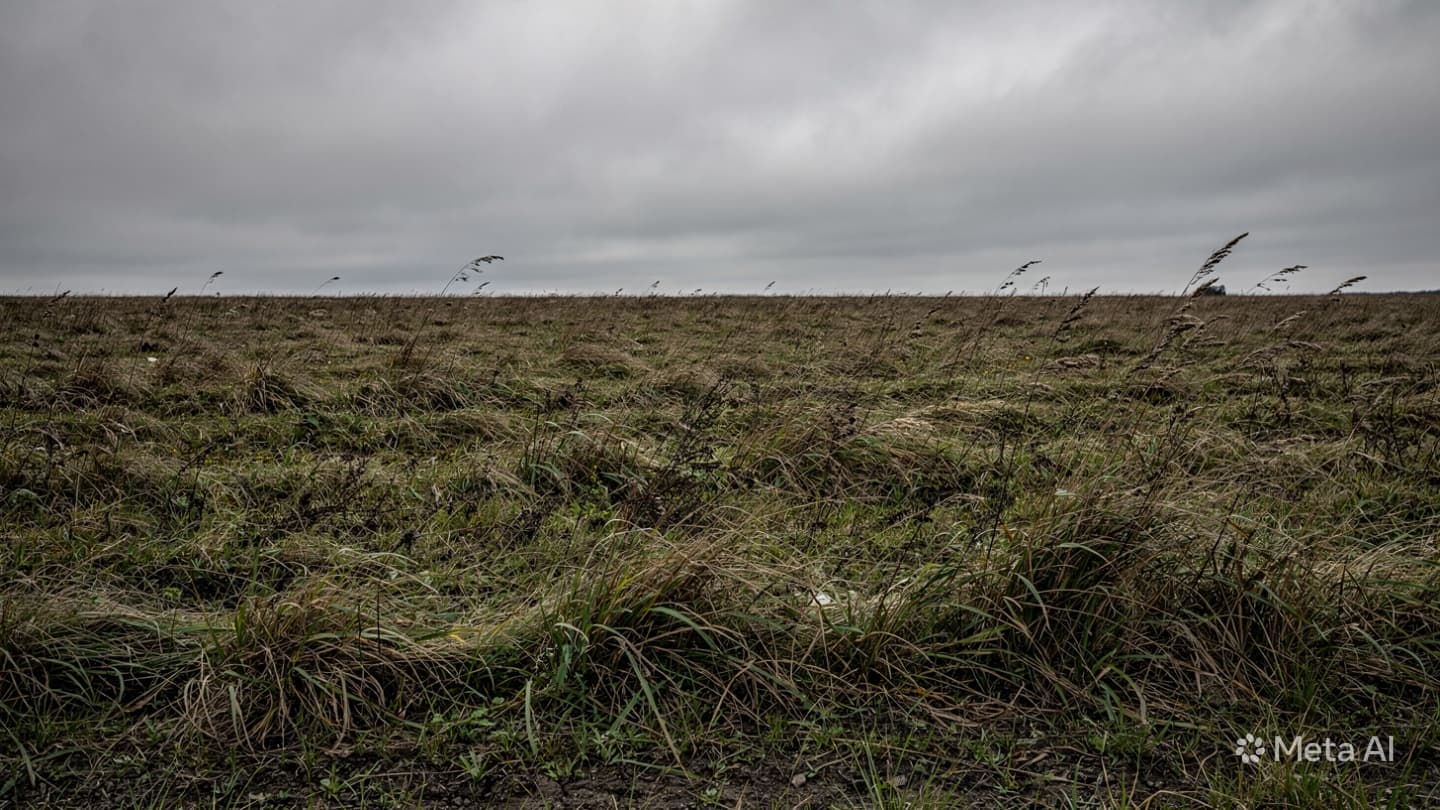
The landscape of the Kharkiv region possesses a deceptive stillness, a pastoral facade that masks the lingering consequences of conflict. Fields that once promised harvest now demand a heightened state of vigilance, for the earth holds memories of violence that remain dormant until disturbed. When an accidental detonation occurs, it is a stark, jarring reminder that the cessation of front-line hostilities does not equate to an immediate restoration of safety for those who inhabit the land.
There is a weight to the silence that follows such an event, a palpable shift in the air of a rural community that has already weathered more than its share of instability. The transition from the familiar, rhythmic labor of daily life to the sudden, irreversible finality of a tragedy creates a fracture in the narrative of the region. It is a moment where the scale of a national struggle narrows to the profound loss of specific individuals, leaving families and neighbors to grapple with the randomness of the danger.
The geography of the incident is defined by the remnants of past engagements, where terrain once contested remains littered with the unseen tools of war. For civilians, the simple act of navigating their own environment requires a cautious negotiation with the ground beneath their feet. This is not merely a matter of caution, but a fundamental alteration of the relationship between a people and the earth they call home, now perceived through a lens of persistent risk.
Reports indicate that three civilians lost their lives when they inadvertently encountered a mine while moving through the area. Such occurrences are tragically consistent with the long-term impact of explosive remnants that persist far behind the active combat zones. The mechanics of these tragedies are often swift, leaving little time for reaction or awareness of the peril that has been triggered.
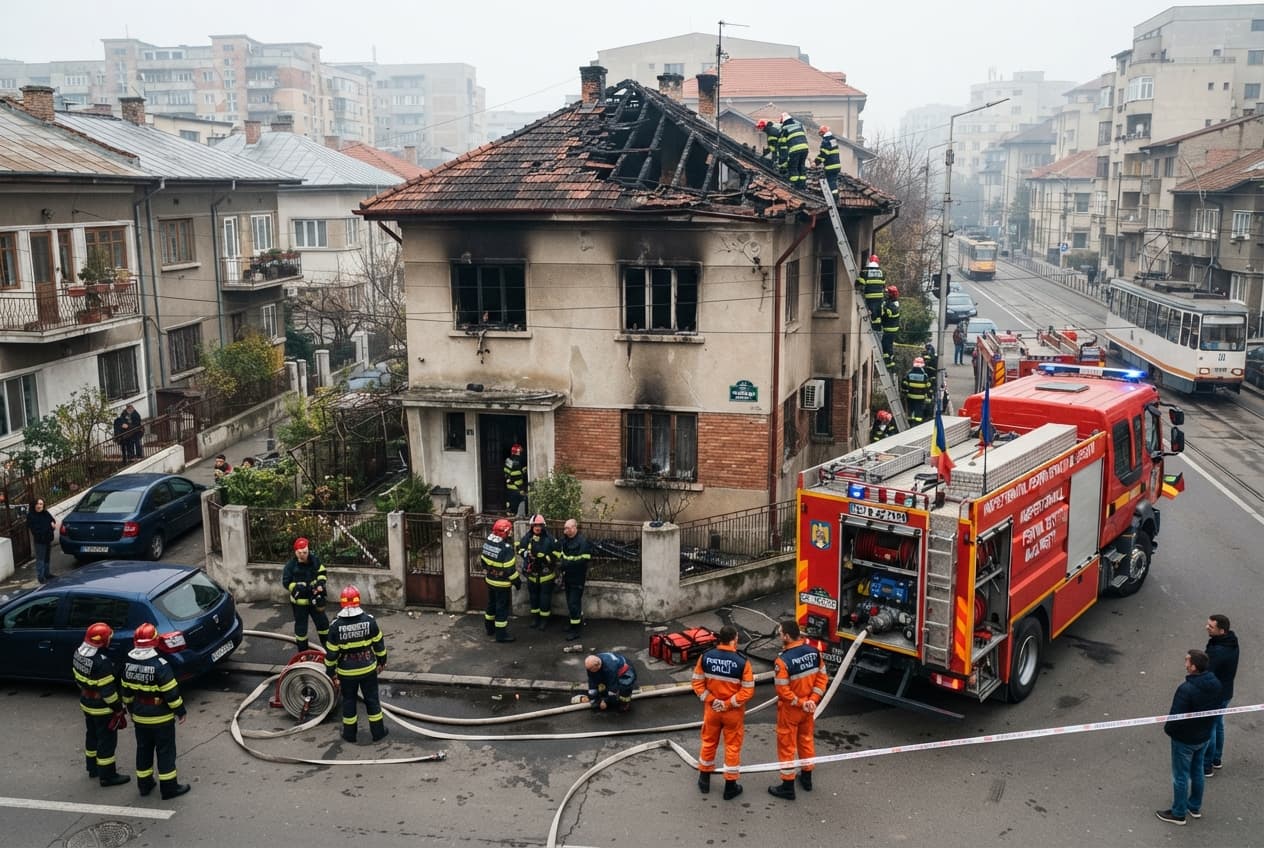
The emergency services that respond to these scenes are tasked with an unenviable role, navigating territory that remains inherently unpredictable. Their presence is a testament to the ongoing effort to manage a landscape that continues to pose threats long after the initial conflict has shifted. Each recovery operation is conducted with a heavy, professional restraint, reflecting the frequency with which these units are called upon to address such preventable catastrophes.
Within the local community, the impact ripples outward, reinforcing a sense of collective vulnerability that remains a defining characteristic of life in the borderlands. The loss is not just an individual bereavement but a shared trauma that underscores the precarious nature of existence in a territory recovering from the scars of warfare. It is a narrative of resilience persistently challenged by the lingering, buried echoes of conflict.
Authorities have emphasized the critical importance of caution in these rural areas, repeatedly warning that the end of active military engagement does not guarantee the clearance of explosive threats. The process of demining is a slow, methodical, and labor-intensive endeavor, often struggling to keep pace with the vast extent of contaminated land. This institutional challenge remains a primary concern for the safety of the populace.
In the aftermath of the explosion, local officials have moved to secure the site and initiate an investigation to assess the density of hazards in the vicinity. The goal is to provide a measure of clarity for the residents and to implement preventative measures to stop future occurrences. The investigation, while focused on the procedural aspects, serves as a solemn recognition of the lives that have been taken by the unforgiving legacy of the conflict.
Published by Banx Network. This article is part of the Banx decentralized media programme, powered by the BXE token on the XRP Ledger.