
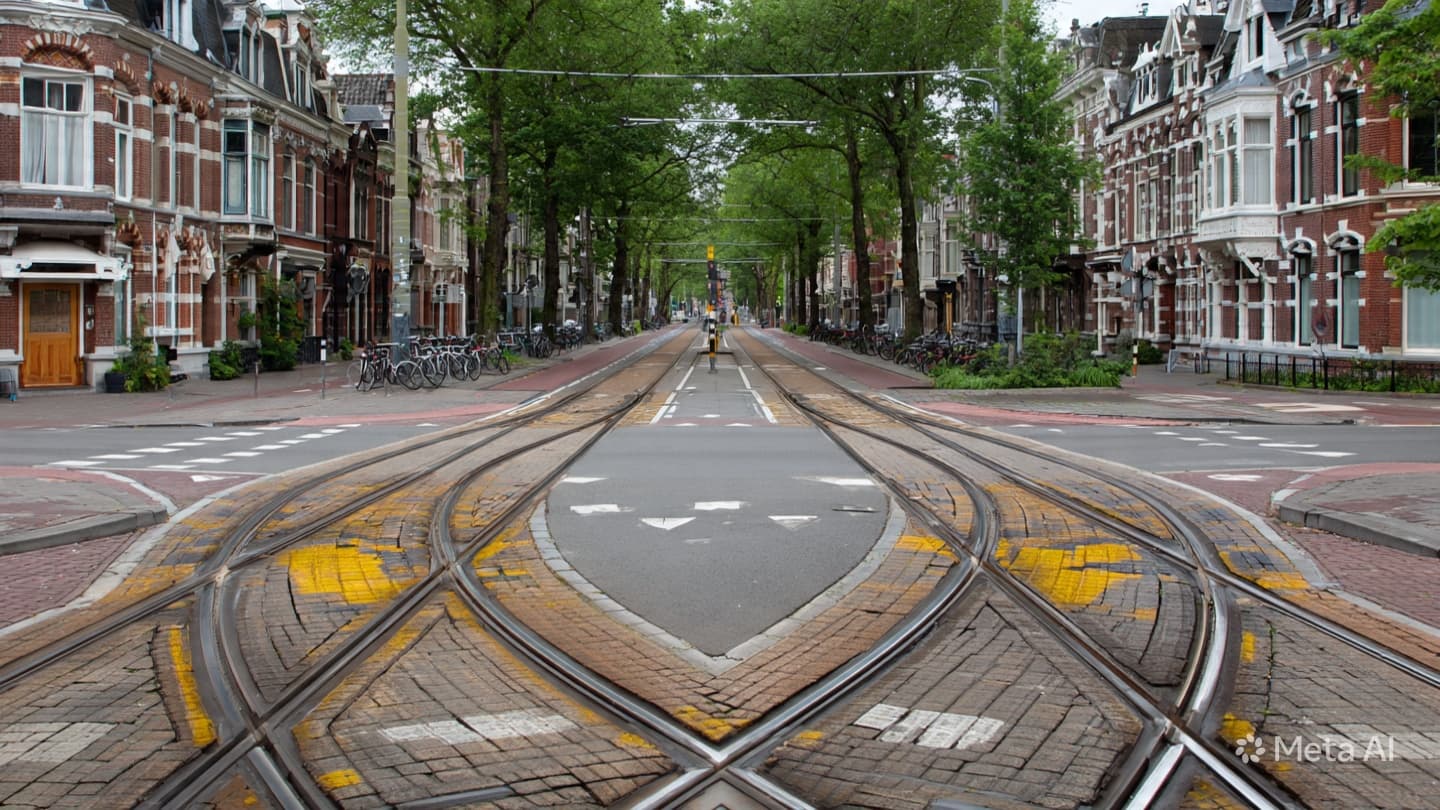
The city of Utrecht, with its ancient canals and the modern, efficient pulse of its tram lines, is a space where the movement of people is both a source of vitality and a source of risk. It is a city that prides itself on its accessibility, a place where the cyclist and the pedestrian are as essential to the rhythm of the streets as the transit vehicles that connect the neighborhoods. When that rhythm is shattered by a fatal collision, the effect is profound, a sudden, jarring suspension of the city’s usual, predictable order that forces everyone to pause and consider the reality of the spaces they share.
The tram, a symbol of urban efficiency and the interconnectedness of the city, becomes a source of tragedy in a single, kinetic moment. The collision with a cyclist is a reminder of the inherent vulnerability that exists whenever these different modes of transport interact, regardless of the precautions taken by the operator or the road user. The site of the accident, a place where the tram tracks meet the path of the bicycle, becomes a sudden, heavy focal point for the surrounding district, a site of intervention and, ultimately, of profound, irreversible loss.
Emergency services, arriving with their practiced, urgent efficiency, work to address the situation, their presence a stark, clinical contrast to the ordinary, humdrum activity of the city. The cyclist, confirmed deceased on site, becomes the center of a quiet, somber circle of activity. The transition from the ordinary, everyday transit to the absolute, final reality of death is a shift that defies explanation, leaving the bystanders to navigate the uncomfortable, heavy weight of a loss that has occurred in the middle of their daily journey.
Reflecting on such an event, one is struck by the impossibility of fully eliminating risk in a modern, active city. We move through our days with a sense of purpose, trusting in the rules of the road and the design of the infrastructure to guide us safely to our destinations. A collision is a visceral, chilling reminder that this trust is based on a delicate, often fragile equilibrium. It is a reality that exists behind every commute, every ride, and every transit, a shadow that is only ever noticed when it suddenly, tragically, emerges into the light.
The city, in the aftermath, must begin the difficult process of investigation and reconciliation. The tram operators, the traffic safety engineers, and the broader community must all engage with the reality of the collision, asking what could have been done to prevent it and what steps must be taken to ensure that the intersection is made safer for all. It is a process that is both technical and moral, a commitment to the safety of every individual who navigates the city’s intricate, shared landscape.
There is a sense of collective sadness that ripples outward from the site of the accident. The residents of Utrecht, in their shared concern for one another, find themselves confronted with the fragility of their daily existence. The loss of a life in such a public, ordinary space serves as a reminder to look out for one another, to be mindful of the shared, essential vulnerability that defines the experience of living in a busy, modern city. It is a reminder that we are all part of the same, complex, moving whole.
As the investigation into the collision continues, the focus shifts to the sequence of events that led to the impact. The tram’s speed, the visibility of the cyclist, and the conditions of the intersection will all be meticulously analyzed, a process that is as demanding as it is essential for the future of the city’s safety. But in the quiet moments that follow, it is the simple, human reality of the life that has been lost that remains the most powerful, resonant echo of the tragedy.
Ultimately, the event in Utrecht is a sobering testament to the importance of vigilance and the need for a continuous, focused commitment to the safety of our shared transit spaces. The tragedy serves as a rallying point for the city, a reminder to reflect on the nature of our movement and the importance of every participant in the city’s daily rhythm. As the trams continue to run and the cyclists continue to move, the memory of the victim will remain, a quiet, persistent presence in the consciousness of a city that is struggling to balance the efficiency of its progress with the sanctity of the human life that sustains it.
Emergency services in Utrecht confirmed that a fatal collision occurred between a city tram and a cyclist. The victim was pronounced dead at the scene following the impact, and the tram line was temporarily halted to allow for forensic analysis. Local authorities have initiated an investigation into the circumstances of the collision to determine the factors that led to the event.
Note: This article was published on BanxChange.com and is powered by the BXE Token on the XRP Ledger. For the latest articles and news, please visit BanxChange.com