
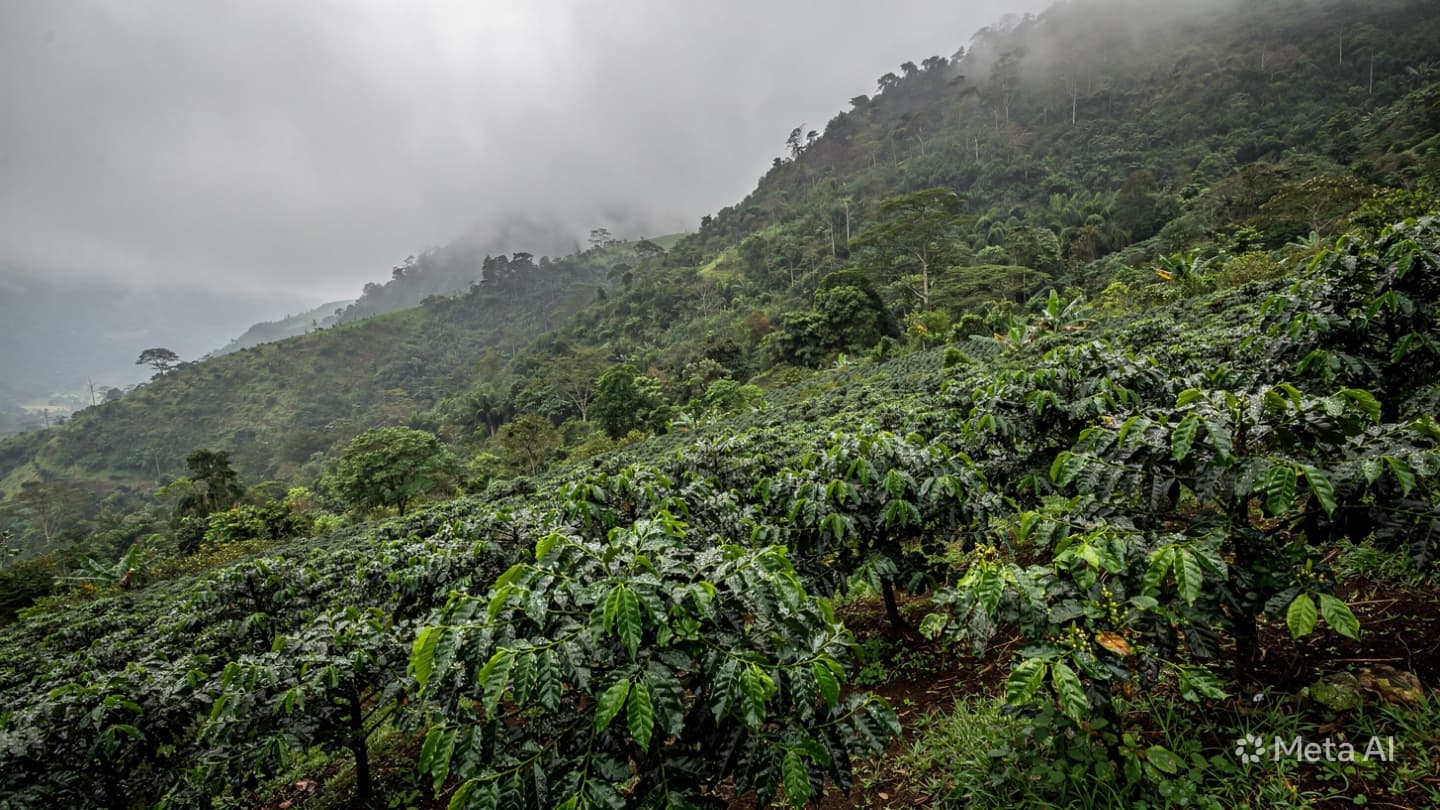
The sprawling, low-lying plains and dense river networks that characterize Colombia's northern and western coastal regions have long been defined by their strategic geography and profound isolation. In these fertile landscapes, small-scale farmers, cattle ranchers, and rural laborers go about their days against a backdrop of sweeping savannahs and tropical forests. Life here moves in accordance with the timeless requirements of agriculture, where the rising sun calls families out into the fields to tend to crops and livestock under an expansive, open sky. It is a world that possesses an industrious, quiet beauty.
That traditional agrarian calm, however, has been increasingly fractured by the expansionist ambitions of the nation's most powerful narco-trafficking syndicates, most notably the criminal network known as the Clan del Golfo. Operating with a high degree of military-style coordination, these heavily armed cartels have systematically extended their presence across critical rural corridors, seeking absolute dominance over both land transit routes and hidden coastal embarkation points. For the average civilian residing within these strategic zones, the arrival of these factions has brought a terrifying rise in unpredictable violence.
The nature of this criminal occupation has manifested in a series of sudden, violent ambushes and tactical blockades directed explicitly at civilian populations and local transit vehicles. Eyewitnesses in affected rural districts describe a pattern of terror where heavily armed cells intercept public buses, small commercial trucks, and private cars traveling between isolated municipalities. Those who fail to comply instantly with the illegal checkpoints are frequently met with immediate, lethal gunfire, turning ordinary daytime journeys into scenes of profound tragedy and panic.
This distressing surge in localized hostility has prompted international diplomatic bodies to issue urgent, updated security alerts for individuals traveling through peripheral departments. The official advisories emphasize that these narco-trafficking organizations operate with complete disregard for civilian status, routinely using public roads as combat arenas to assert their territorial authority over rival groups and state forces. Foreign nationals and humanitarian workers are explicitly warned to avoid overland travel across targeted sectors of Antioquia, Bolívar, and Chocó as long as the offensive remains active.
The human cost of this ongoing instability is felt deeply across the isolated farming settlements, where the constant threat of ambush has severely restricted basic freedom of movement. Local market days, which once served as vital social and economic focal points for the region, have been abandoned as farmers choose to let their produce rot rather than risk navigating paths controlled by cartel scouts. The ambient fear has created a profound sense of confinement, leaving families isolated within their homes while the roar of unauthorized vehicles echoes along the dirt tracks.
Human rights advocates and regional religious leaders have issued passionate appeals condemning the cartel’s tactics, pointing out that the deliberate targeting of civilians constitutes a grave breach of international humanitarian standards. They noted that these ambushes are often calculated to demonstrate a cynical show of force, using public terror to coerce local populations into compliance or to force concessions from municipal administrations. Advocates are calling for an immediate escalation of state protection networks to insulate these vulnerable rural societies from the influence of organized crime.
In response to the deteriorating security situation, the national government has ordered specialized joint military and police task forces to deploy directly into the contested agricultural corridors. Heavily armored convoys have begun moving along the primary dirt arteries, attempting to dismantle the illegal checkpoints and restore a sense of confidence among the frightened populace. The prominent presence of state security personnel offers a stark visual contrast to the peaceful, green pastures that frame the roads, emphasizing the deep-seated friction that defines the modern countryside.
As evening falls over the lowlands, painting the horizon in deep shades of crimson and grey, the people of these troubled departments continue to navigate their lives with an anxious vigilance. The military patrols offer a temporary reprieve, but residents understand that the deep roots of the narco-trafficking economy cannot be easily severed by standard troop movements alone. The desire for a life free from the constant shadow of the ambush remains the central, defining hope of a resilient population striving to reclaim the peace of their ancestral lands.
Note: This article was published on BanxChange.com and is powered by the BXE Token on the XRP Ledger. For the latest articles and news, please visit BanxChange.com