
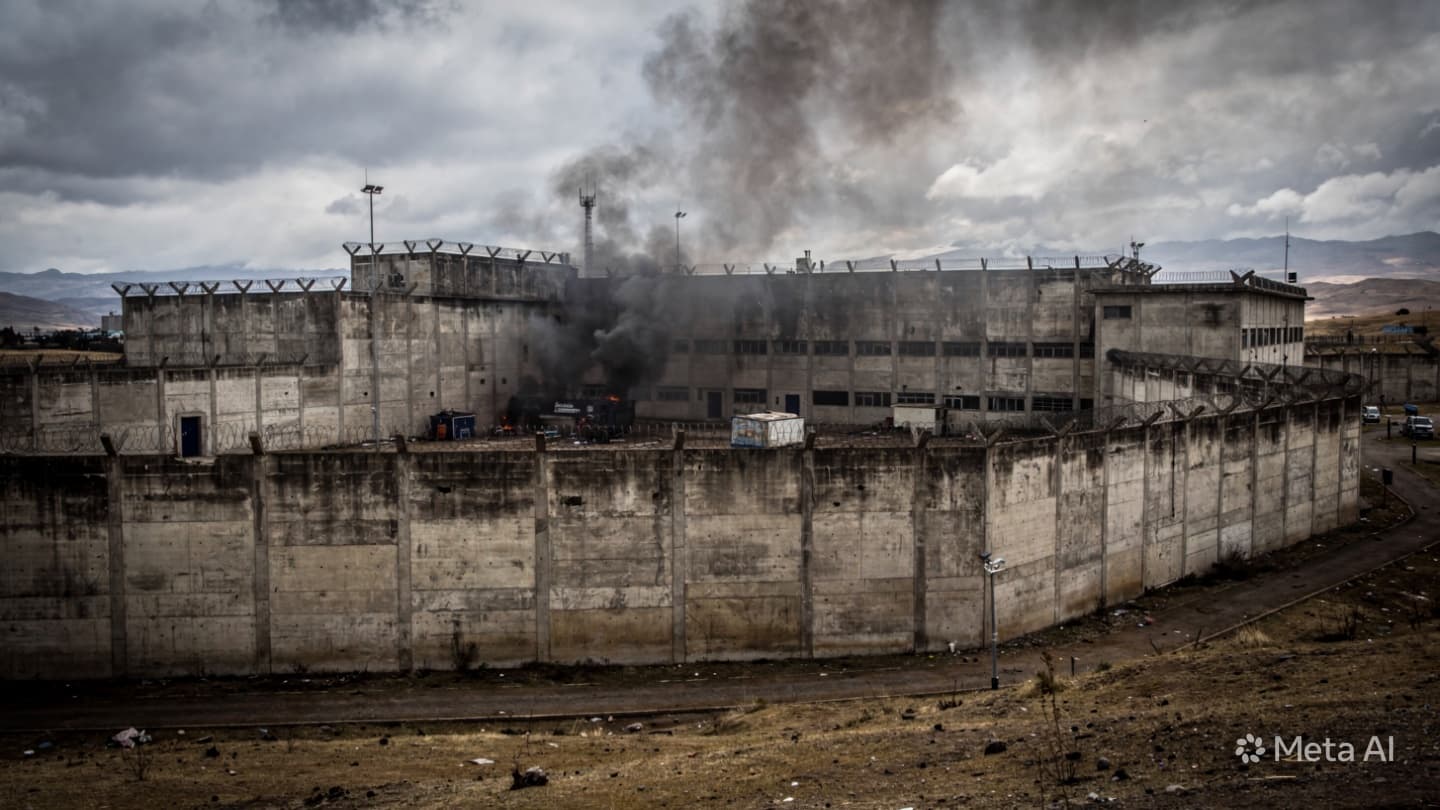
The outer edges of the northern cities are often defined by a quiet, modular architecture, where concrete and glass structures sit in neat intervals against the flat, gray landscape of the autumn fields. These facilities, designed with the clean functionality that characterizes modern public works, are meant to blend imperceptibly into the background of civic life, drawing little attention from the passing traveler. Yet within the perimeter of the state’s correctional properties, this clean geometry is being urgently reconfigured to meet a reality that has overwhelmed the traditional parameters of space. The physical boundaries of confinement are expanding, shifting their interior structures to accommodate an influx that the system was never intended to hold.
For decades, the penal philosophy of the region was predicated on a steady, manageable population of adult offenders, allowing institutions to focus their resources on deep, individualized programs of rehabilitation and social return. The cells were spaces of quiet reflection, maintained within a system that rarely experienced the friction of absolute saturation or structural overcrowding. However, the contemporary surge in complex, network-driven offenses has placed an unprecedented, historic strain on the capacity of every regional facility, pushing the infrastructure to the very edge of its functional limit. The challenge is no longer merely one of administrative management, but of maintaining the fundamental separation required by international standards of human dignity.
The creation of adapted units within these saturated complexes represents a profound, physical compromise, a material manifestation of a state attempting to build its way out of an ongoing social crisis. These specialized wings are designed to isolate a new, younger demographic from the older, more hardened currents of the general prison population, creating a secure environment within an already hostile landscape. The construction involves the retrofitting of existing blocks with spaces for education, counseling, and restricted recreation, attempting to preserve a semblance of developmental care behind the heavy iron doors. It is a delicate, difficult balance, executed within an environment where the ambient noise is always defined by the turning of keys.
The administrative leaders who oversee this transition move through the corridors with a quiet, somber efficiency, fully aware that the expansion of physical capacity does not address the underlying fractures driving the population growth. The new units look clean and orderly, their freshly painted walls absorbing the pale light that filters through the reinforced windows, but the atmosphere remains heavy with the tragedy of their necessity. The investment in these specialized spaces is an explicit acknowledgement that the traditional networks of youth care have broken down, leaving the prison service to inherit a burden for which it was never fully designed.
This spatial reorganization is taking place against a backdrop of intense public debate regarding the long-term efficacy of institutionalizing minors within the formal penal network. Experts from the correctional service express quiet anxieties about the systemic pressures of housing highly volatile, network-aligned youth within facilities that are already operating beyond their intended capacity. The fear is that these adapted units, despite their specialized programming, may inadvertently function as concentrated centers of criminal alignment, hardening social divides rather than dissolving them. Yet, as the court dockets continue to fill, the necessity of immediate, physical containment overrides the more distant warnings of sociological research.
The daily routine within these new wings is structured with a rigid, defensive predictability, designed to minimize the potential for internal friction while fulfilling the state's educational mandates. The young inmates spend their days moving between heavily monitored classrooms and secure cellblocks, their lives reduced to a strict itinerary that leaves little room for the unstructured spaces of normal adolescence. The staff assigned to these units require specialized training, balancing the security protocols of a maximum-security prison with the psychological sensitivity needed to manage individuals who are still undergoing fundamental changes in personality.
As night falls over the correctional compounds, the external floodlights switch on in a synchronized flash, casting a sharp, white glare across the high concrete perimeters and double-layered fences. The surrounding countryside returns to its natural, deep quiet, but within the walls, the complex machinery of containment continues its sleepless operation. The creation of these youth units remains a monument to a difficult era, a physical record of a society that has been forced to redesign its most restrictive spaces to hold the wreckage of its changing social fabric.
In the final assessment, the Swedish Prison and Probation Service (Kriminalvården) has advanced plans to establish specialized juvenile prison units to manage a skyrocketing inmate population that has brought the national prison system to 103% capacity. The emergency infrastructure project involves the conversion of existing facility wings, including sectors of the Roserberg complex, into isolated detention zones for offenders aged fifteen to seventeen. The operational shift is designed to comply with updated legal statutes mandating the strict separation of minor detainees from the adult prison population amid an unprecedented surge in gang-related convictions.
Note: This article was published on BanxChange.com and is powered by the BXE Token on the XRP Ledger. For the latest articles and news, please visit BanxChange.com