Energy markets often resemble the tides of the ocean, moving in response to forces both visible and unseen. Some shifts occur gradually, while others emerge from sudden changes in global conditions. In recent weeks, oil traders, policymakers, and businesses have turned their attention toward rising crude prices as concerns surrounding supply risks in the Middle East continue influencing market sentiment. With oil prices moving closer to the symbolic threshold of one hundred dollars per barrel, questions about the broader economic implications have become increasingly prominent.
Oil occupies a unique place within the global economy. It fuels transportation networks, powers industries, supports agricultural production, and influences the movement of goods around the world. Because of its central role, even modest changes in price can affect business operations and consumer spending. When prices rise sharply, the impact often extends far beyond energy markets themselves.
Recent increases have been linked largely to concerns regarding supply stability. The Middle East remains one of the world's most important energy-producing regions, and developments affecting production or transportation routes are closely monitored by market participants. Even when actual supply disruptions have not occurred, uncertainty can influence expectations and encourage price volatility.
Commodity traders frequently respond to perceived risks before they become reality. Financial markets operate on anticipation as much as observation, meaning that concerns about future availability can influence pricing decisions today. This dynamic helps explain why geopolitical developments often generate immediate reactions in oil markets.
Higher oil prices can affect transportation costs throughout the global economy. Airlines, shipping companies, trucking operators, and logistics providers all rely heavily on fuel. As expenses increase, businesses may face difficult decisions regarding pricing, investment, and operational planning. Some organizations absorb additional costs, while others pass a portion of those expenses to customers.
Consumers may also feel the effects over time. Rising fuel costs can influence household budgets directly through transportation expenses and indirectly through higher prices for goods and services. Economists often monitor energy prices closely because of their potential influence on inflation and consumer confidence.
For businesses, energy market volatility creates both challenges and opportunities. Energy producers may benefit from stronger prices, while energy-intensive industries often face greater cost pressures. Companies across multiple sectors continue evaluating strategies designed to improve efficiency and reduce exposure to fluctuations in commodity markets.
Governments are likewise monitoring developments carefully. Policymakers understand that sustained increases in oil prices can influence economic growth, inflation trends, and financial stability. Strategic reserves, energy diversification efforts, and infrastructure investments remain important tools for managing potential risks.
Financial markets have responded with a mixture of caution and adaptability. Investors recognize that energy markets are influenced by a complex combination of supply, demand, geopolitical developments, and broader economic conditions. While uncertainty remains, many analysts emphasize that global energy systems have demonstrated resilience during previous periods of disruption.
The situation also highlights the continuing importance of energy security in an interconnected world. Despite advances in renewable energy and technological innovation, oil remains a critical component of the global economic system. Developments affecting production regions can therefore influence markets far beyond their geographic boundaries.
For now, attention remains focused on the balance between supply concerns and market stability. Oil prices may continue responding to developments in the Middle East, while businesses and policymakers assess potential implications for the months ahead. Whether prices ultimately reach or exceed the one hundred dollar threshold, the conversation underscores the enduring role of energy in shaping economic expectations and global commerce.
AI Image Disclaimer
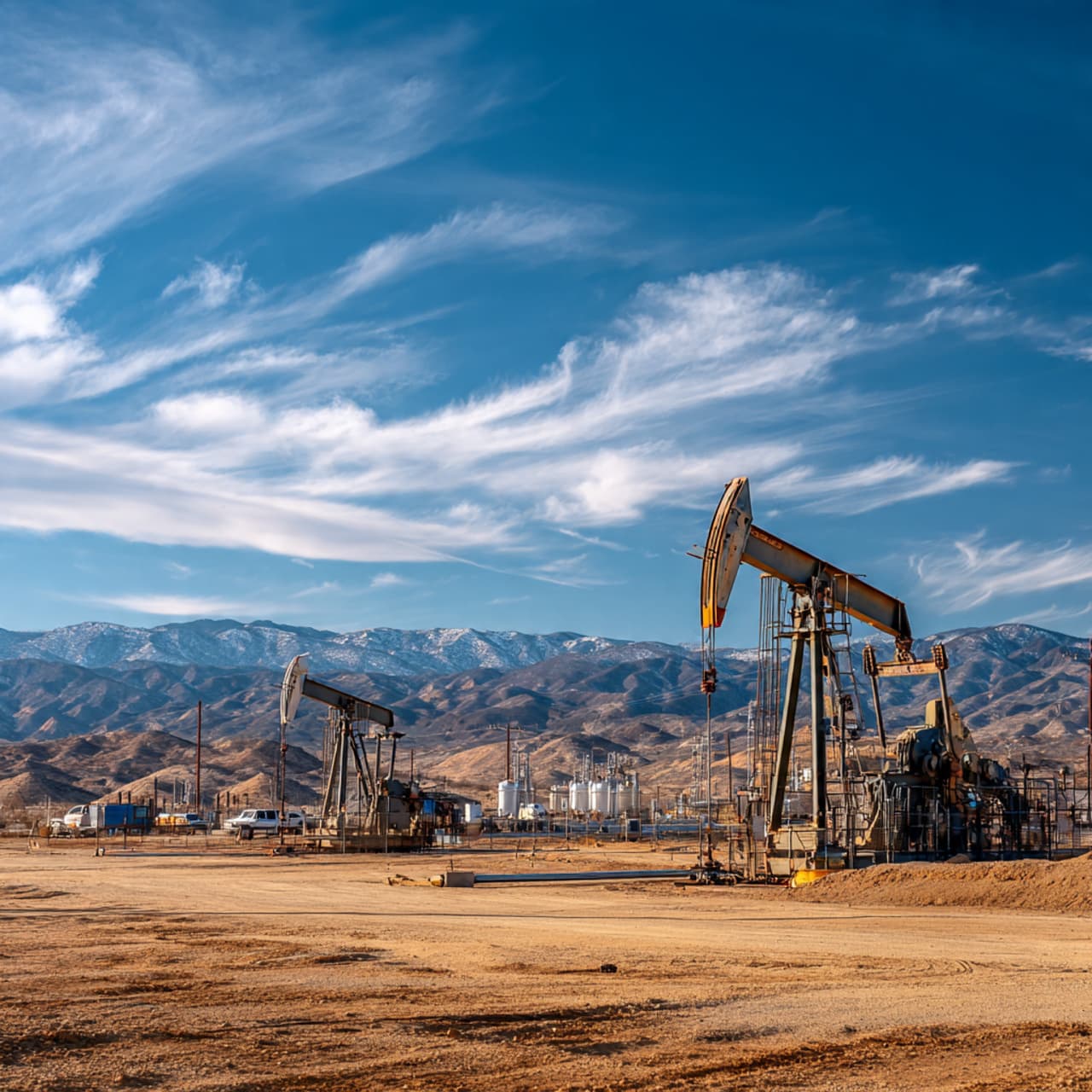
Illustrations were produced with AI and serve as conceptual depictions.
Sources
Reuters AP News Bloomberg CNBC Financial Times
Published by Banx Network. This article is part of the Banx decentralized media programme, powered by the BXE token on the XRP Ledger.