
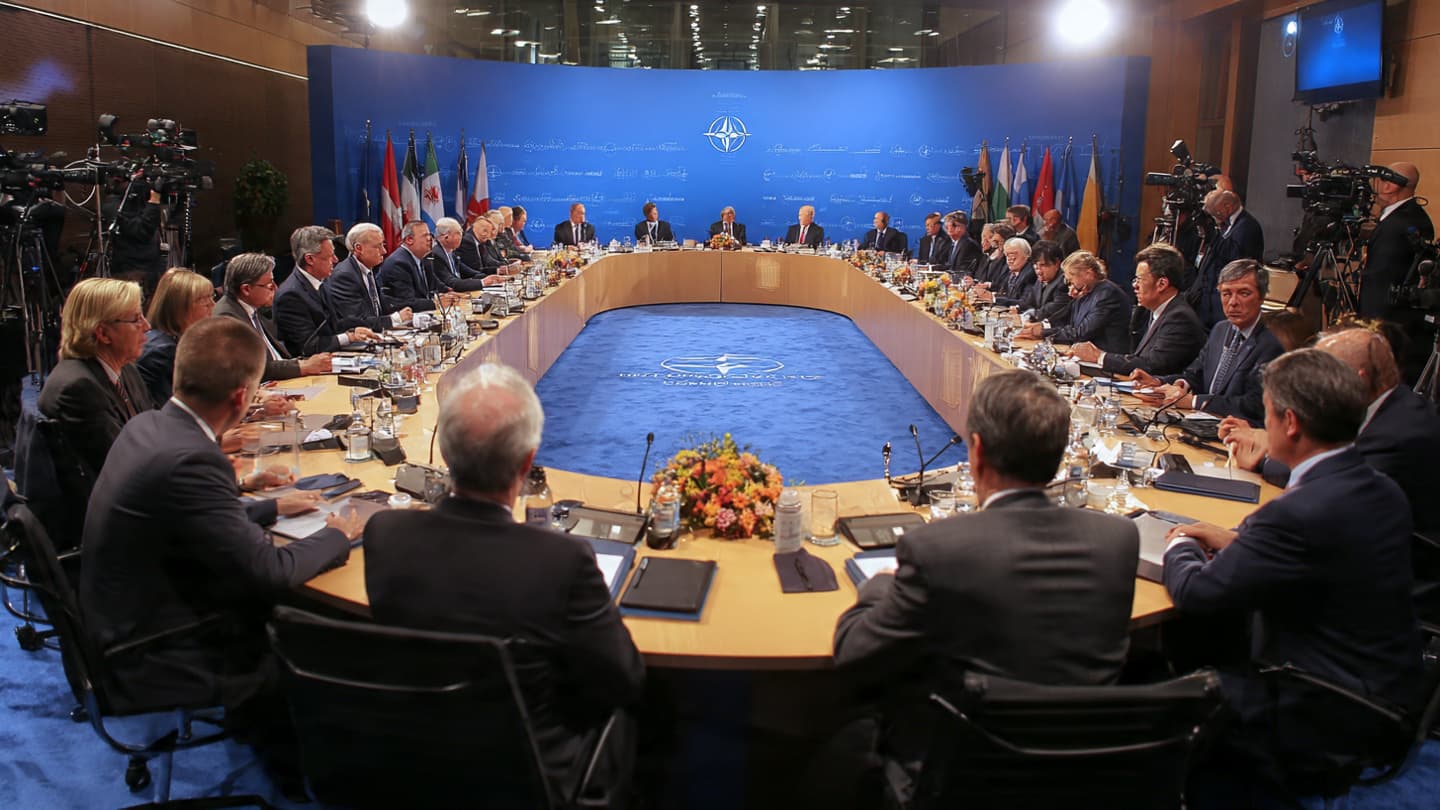
Every generation inherits a world more interconnected than the one before it. Trade routes stretch farther, technologies travel faster, and decisions made in one corner of the globe often ripple across continents within hours. In such an environment, the idea of solving global challenges within a limited circle has become increasingly difficult. Perhaps this reality explains why France is seeking to widen the conversation surrounding the upcoming G7 Summit.
As preparations continue for the gathering of the world's leading industrialized economies, French organizers have extended invitations to several emerging nations whose influence on global affairs continues to grow. The move reflects a recognition that economic development, technological transformation, and environmental challenges increasingly require broader participation and more diverse perspectives.
For decades, the G7 has served as a forum where advanced economies discuss shared priorities and coordinate responses to international developments. Yet the global landscape has changed considerably since the group's formation. Emerging economies now account for a larger share of world growth, investment, manufacturing, and innovation than ever before.
Countries such as India, Brazil, Saudi Arabia, Kenya, and South Korea have become increasingly significant participants in global economic discussions. Their experiences often differ from those of traditional industrial powers, providing perspectives that can enrich conversations on trade, development, energy, and technological advancement.
France's invitation reflects an understanding that modern challenges rarely respect geographic or economic boundaries. Climate transitions require cooperation between energy producers and consumers. Supply-chain resilience depends on partnerships across multiple regions. Technological innovation spreads through networks that connect developed and developing economies alike.
Observers note that involving additional participants does not alter the formal structure of the G7. Instead, it broadens the range of voices contributing to discussions on issues that affect billions of people worldwide. Such engagement can help create a more comprehensive understanding of both opportunities and challenges.
The inclusion of emerging economies also carries symbolic significance. It acknowledges the shifting balance of economic influence and highlights the importance of collaboration beyond traditional alliances. As global markets evolve, the ability to engage with a wider range of partners becomes increasingly valuable.
Business communities are watching closely as well. Stronger dialogue between advanced and emerging economies can support investment opportunities, trade relationships, and industrial cooperation. Markets often respond positively when nations demonstrate a willingness to work together despite differing priorities.
At the same time, greater participation can introduce additional complexity into negotiations. Diverse viewpoints do not always lead to immediate consensus. Yet many analysts argue that meaningful solutions often emerge through precisely such exchanges, where differing experiences challenge assumptions and encourage innovation.
As world leaders prepare to gather in France, the expanded guest list serves as a reminder that global influence is no longer concentrated within a small group of nations. The summit may still carry the G7 name, but the conversations surrounding it increasingly reflect a world whose future will be shaped by a much broader community of voices.
AI IMAGE DISCLAIMER Images in this article are AI-generated illustrations, meant for concept only.
SOURCES Reuters, Associated Press, AFP, France 24, Bloomberg
Note: This article was published on BanxChange.com and is powered by the BXE Token on the XRP Ledger. For the latest articles and news, please visit BanxChange.com