
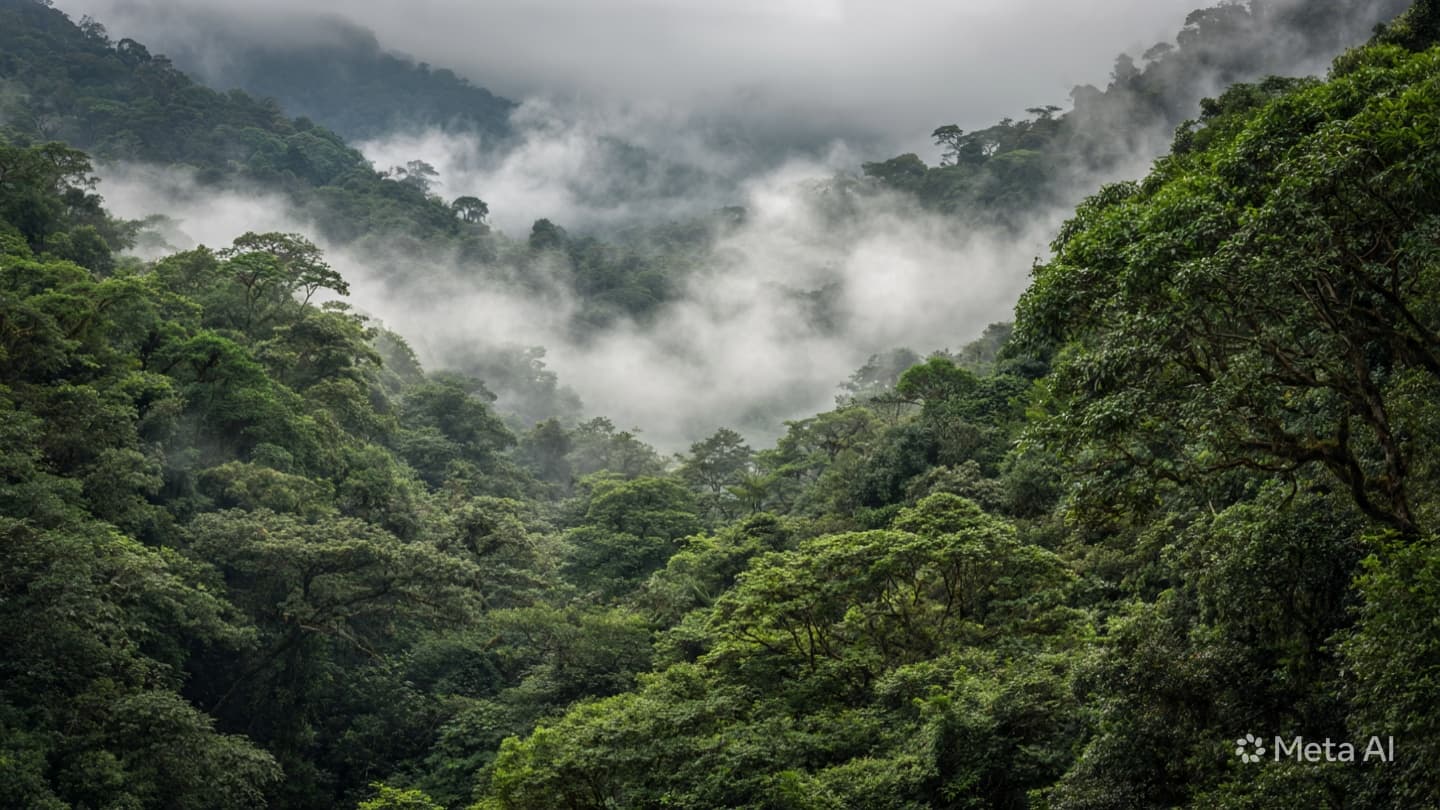
The remote reaches of Chocó are defined by an emerald expanse that is as hauntingly beautiful as it is indifferent to the struggles of those who transit its depths. It is a region where the state’s reach is often an aspiration rather than a reality, and where the silence of the forest is frequently broken by the movements of those who operate outside the law. When a ransom negotiation—a high-stakes game of life and commerce—collapses, the violence that follows is a stark, brutal punctuation in a long, wearying history of regional strife.
The execution of a hostage in the wake of a failed negotiation is a tragedy that reverberates far beyond the immediate site of the incident. It is a manifestation of a cold, transactional logic that treats human life as a commodity, a lever to be pulled in a broader struggle for resources and territorial dominance. In the rural outposts of Chocó, where survival is often an exercise in navigating the volatile whims of armed actors, the merchant, the traveler, and the local are all subject to the same precarious vulnerability.
To reflect on such an event is to confront the limitations of our current systems of security and intervention. The collapse of a negotiation is a failure not just of logistics or communication, but of the very mechanisms that are meant to protect the individual from the predatory instincts of armed groups. The merchant, who was simply moving through a territory to sustain a livelihood, becomes the latest symbol of a conflict that seems, at times, to have no end, a cycle of abduction and retaliation that bleeds the vitality from the province.
Looking across the Chocó landscape, one is reminded of the weight of the collective memory held by these communities. They have lived through waves of such events, each one carving a deeper path into the social fabric, leaving behind a legacy of caution, trauma, and resilience. The loss of the hostage is a tear in that fabric, a moment that invites us to look past the headlines and acknowledge the profound, individual sorrow of a life cut short in the periphery of national consciousness.
As the authorities conduct their investigation in the wake of the tragedy, there is a familiar, somber necessity to the task. The search for justice is a difficult, uphill climb in a region where the geography itself serves as a shield for those who operate in the shadows. Yet, the pursuit remains essential—not only to honor the life that was lost but to re-assert the basic principle that the borderlands must not be permitted to become zones of total impunity.
The resilience of the Chocó people is a quiet, steady force, a refusal to be defined by the violence that seeks to claim their home. As they process this latest act, they continue to navigate the complexities of their daily lives, holding on to the hope for a future where the forest is a sanctuary rather than a site of fear. Their persistence is the most profound response to the tragedy, a testament to the enduring human spirit that seeks to build and sustain life even when the conditions are at their most challenging.
Authorities have confirmed the discovery of a kidnapped merchant’s body in a rural sector of Chocó, following the breakdown of ransom negotiations. The victim had been held captive for several days by an unidentified armed group before being executed in a remote area. Regional security forces have launched a search operation to track the perpetrators, who are believed to have fled deeper into the jungle terrain. Local officials have expressed deep concern over the escalating trend of kidnappings and the resulting impact on the safety of civilians and commercial actors in the province.
Note: This article was published on BanxChange.com and is powered by the BXE Token on the XRP Ledger. For the latest articles and news, please visit BanxChange.com