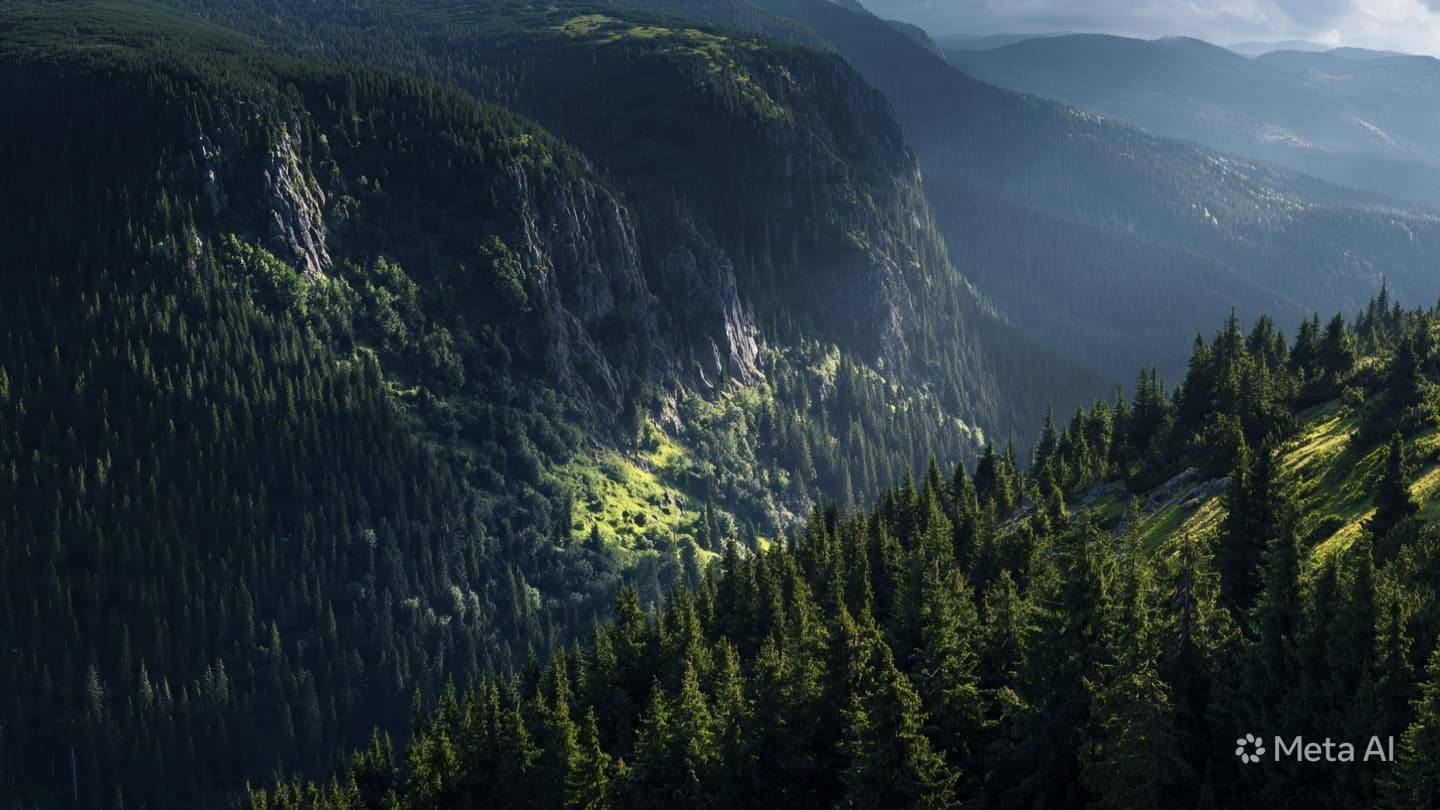
The mountain has always stood as a stoic, brooding sentinel over the sprawling bustle of Sofia, its jagged silhouette a constant companion to the rhythm of city life. Vitosha, with its deep spruce forests and winding trails, offers a refuge where the air thins and the noise of the human world is softened by the rustle of leaves. Yet, even in this sanctuary, there exists an ancient, untamed sovereignty that reminds us of our fragility. When the unexpected occurs—a brush with the wild that leaves a void where a life once stood—the mountain’s character shifts, transforming from a playground into a place of profound, reflective caution.
Following a tragic encounter near the Rudnichar hut, the quietude of the park has been replaced by a focused, interdepartmental resolve. A perimeter has been drawn, not just in the physical sense of cordoned trails and police presence, but in the collective awareness of those who venture upward. The authorities, in their measured response, have sought to bridge the distance between the safety of the city and the unpredictable reality of the wilderness. It is a decision rooted in the necessity of protection, yet tempered by an understanding that the mountain cannot, and should not, be entirely tamed.
Camera traps now blink in the dark, their infrared eyes scanning the undergrowth for signs of the mother bear and her cub. Drones trace the contours of the slopes, their hum a subtle reminder of a technological watchfulness that has replaced the innocence of a casual afternoon hike. This surveillance is not an act of aggression against the wild, but a sophisticated attempt to understand, to map, and to mitigate the risks that accompany our presence in these high, secluded altitudes.
For the people of Sofia, the mountain remains a destination of beauty, but the air at the trailhead now carries the weight of a recent, somber history. The police presence—a constant, patrolling figure—serves as a grounding force, ensuring that the boundaries of safety are clearly understood. The conversations occurring in the city center reflect a broader dialogue about how we navigate the thin line between our desire for immersion in nature and the requirement to respect the inhabitants who call these forests home.
The response from the various ministries and municipal bodies has been one of calm, deliberate coordination. There is no call to clear the mountain of its life, only a plea for a heightened, respectful awareness among those who walk its paths. The advice is simple: stick to the marked trails, move in groups, and hold the wild in a place of reverence. It is a lesson in humility, a recognition that when we enter these spaces, we are guests in a realm governed by different laws than our own.
As the days turn, the intensity of the police presence may shift, but the memory of this event will linger in the collective consciousness of the hikers. The mountain will continue to offer its vistas and its bracing air, but it will do so under the gaze of a more watchful public. The establishment of this security perimeter is a sign of our time—a moment where we seek to balance the preservation of our freedoms with the sobering reality of the world beyond the concrete.
The mountain remains open, but it is a place changed by the necessity of caution. The trails that lead through the beech and pine now invite a slower, more deliberate gait. There is a newfound emphasis on the importance of knowledge—of understanding the bear’s territory, of recognizing the signs of an inhabitant that would prefer to remain unseen. It is a journey of education as much as it is a physical ascent.
In the end, Vitosha persists as it always has, indifferent to our anxieties, its beauty undimmed by the tragedies that occur upon its slopes. We are the ones who must adapt, who must refine our behavior, and who must learn to coexist with the grace that the wilderness demands. The security measures currently in place are merely a testament to our ongoing effort to find that harmony, to walk the thin, precarious line between our urban lives and the wild, beating heart of the mountain.
Bulgarian authorities have established a security perimeter and increased surveillance, including the use of drones and camera traps, in Vitosha Nature Park following a fatal bear attack on May 16, 2026. A 35-year-old man was killed near the Rudnichar hut by a mother bear, prompting an interdepartmental response from the police, the Ministry of Environment and Water, and the Sofia Municipality. Hikers are officially urged to remain on marked trails, travel in groups, and avoid the immediate area until further notice.
Published by Banx Network. This article is part of the Banx decentralized media programme, powered by the BXE token on the XRP Ledger.