
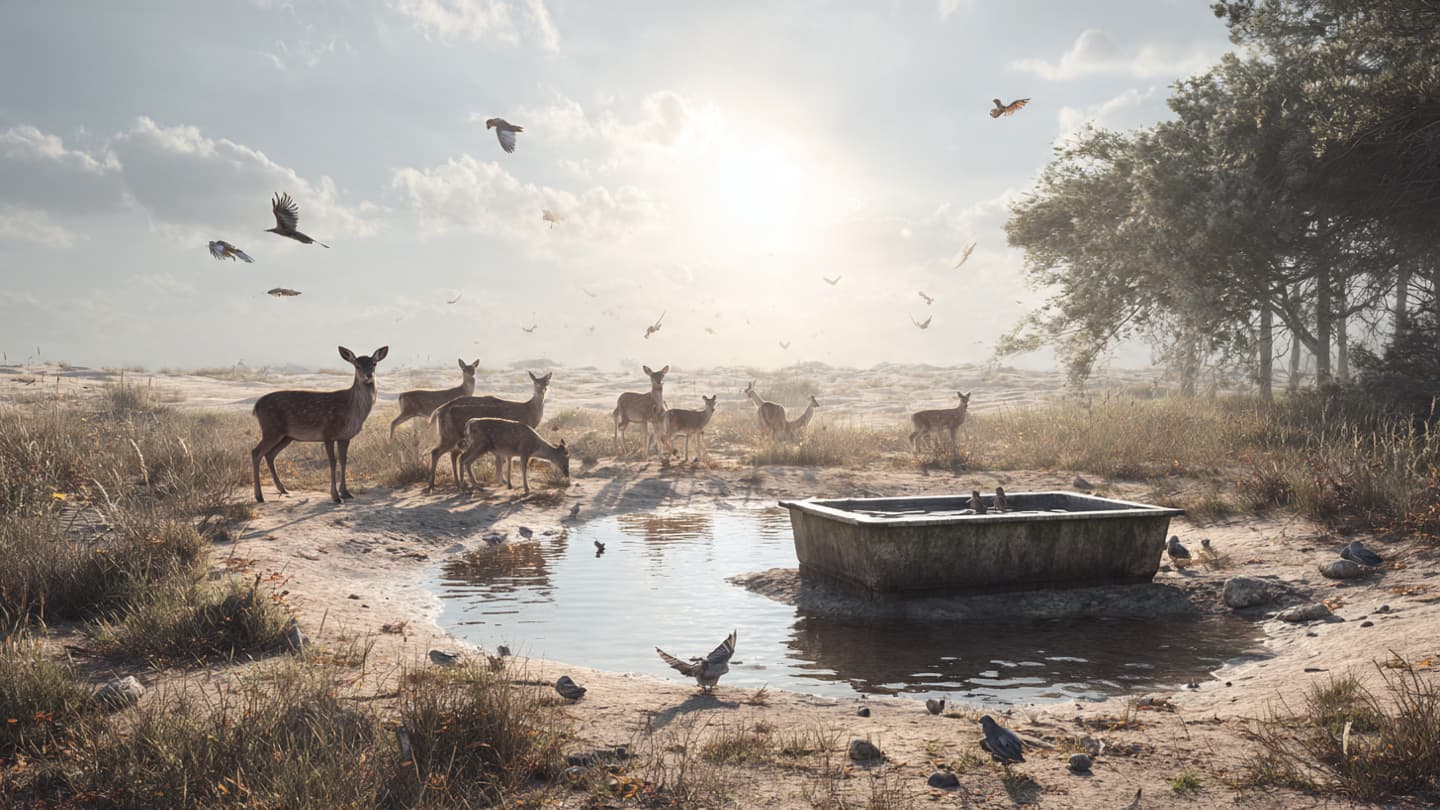
When discussions turn to heatwaves, attention often focuses on people, infrastructure, and economic activity. Yet beyond cities and towns, another story is unfolding across forests, rivers, wetlands, and fields. Wildlife species throughout France are also responding to the challenges created by prolonged periods of exceptional heat, prompting scientists to examine how ecosystems are adapting to changing environmental conditions.
The natural world depends on a delicate balance of temperature, water availability, and seasonal timing. Extreme heat can influence all three. Rivers may warm, soil moisture may decline, and habitats that normally provide shelter can become less hospitable. For many species, even small environmental changes can have significant effects.
Researchers are observing a variety of responses among animals and plant communities. Some species alter behavior by becoming more active during cooler hours, while others seek shaded environments or areas with greater access to water. These adjustments demonstrate the remarkable adaptability present within many ecosystems.
Bird populations have attracted particular attention. During heatwaves, birds often modify feeding patterns and spend more time conserving energy. Access to water becomes increasingly important, especially in urban environments where natural resources may be limited.
Aquatic ecosystems face their own challenges. Rising water temperatures can affect oxygen levels, fish behavior, and overall ecological balance. Scientists continue monitoring rivers and lakes to better understand how prolonged heat influences freshwater habitats.
Environmental organizations have encouraged residents to support wildlife where appropriate. Simple actions such as providing clean water sources in gardens or preserving shaded areas can offer temporary assistance during periods of extreme heat. These measures are particularly valuable in urban and suburban settings.
The heatwave has also highlighted the broader relationship between climate and biodiversity. Researchers note that while individual species may adapt to short-term changes, long-term environmental shifts can create more complex challenges. Understanding these dynamics remains a central focus of ecological research.
Conservation efforts increasingly incorporate climate considerations into planning and management strategies. Protected areas, habitat restoration projects, and biodiversity programs are being designed with future environmental conditions in mind. Such initiatives seek to strengthen resilience across a wide range of ecosystems.
Scientists emphasize that ecosystems often demonstrate remarkable resilience when given sufficient resources and protection. Monitoring current conditions helps researchers identify vulnerabilities while also highlighting examples of successful adaptation in the natural world.
As France continues experiencing unusually high temperatures, wildlife researchers will remain attentive to developments across the country's diverse landscapes. The heatwave serves as a reminder that environmental change affects more than human communities alone. Beneath the same summer sun, countless species are navigating their own challenges and adaptations within an increasingly dynamic world.
AI IMAGE DISCLAIMER:
Graphics are AI-generated and intended for representation, not reality.
SOURCES:
Reuters Le Monde France 24 Associated Press The Guardian
Note: This article was published on BanxChange.com and is powered by the BXE Token on the XRP Ledger. For the latest articles and news, please visit BanxChange.com