Global energy systems are increasingly being treated as strategic assets rather than purely commercial commodities. In response to prolonged market volatility, many countries are expanding their strategic energy reserves as a precautionary measure.
These reserves serve as a buffer against sudden disruptions in global supply chains. By increasing storage capacity, governments aim to stabilize domestic markets during periods of external uncertainty.
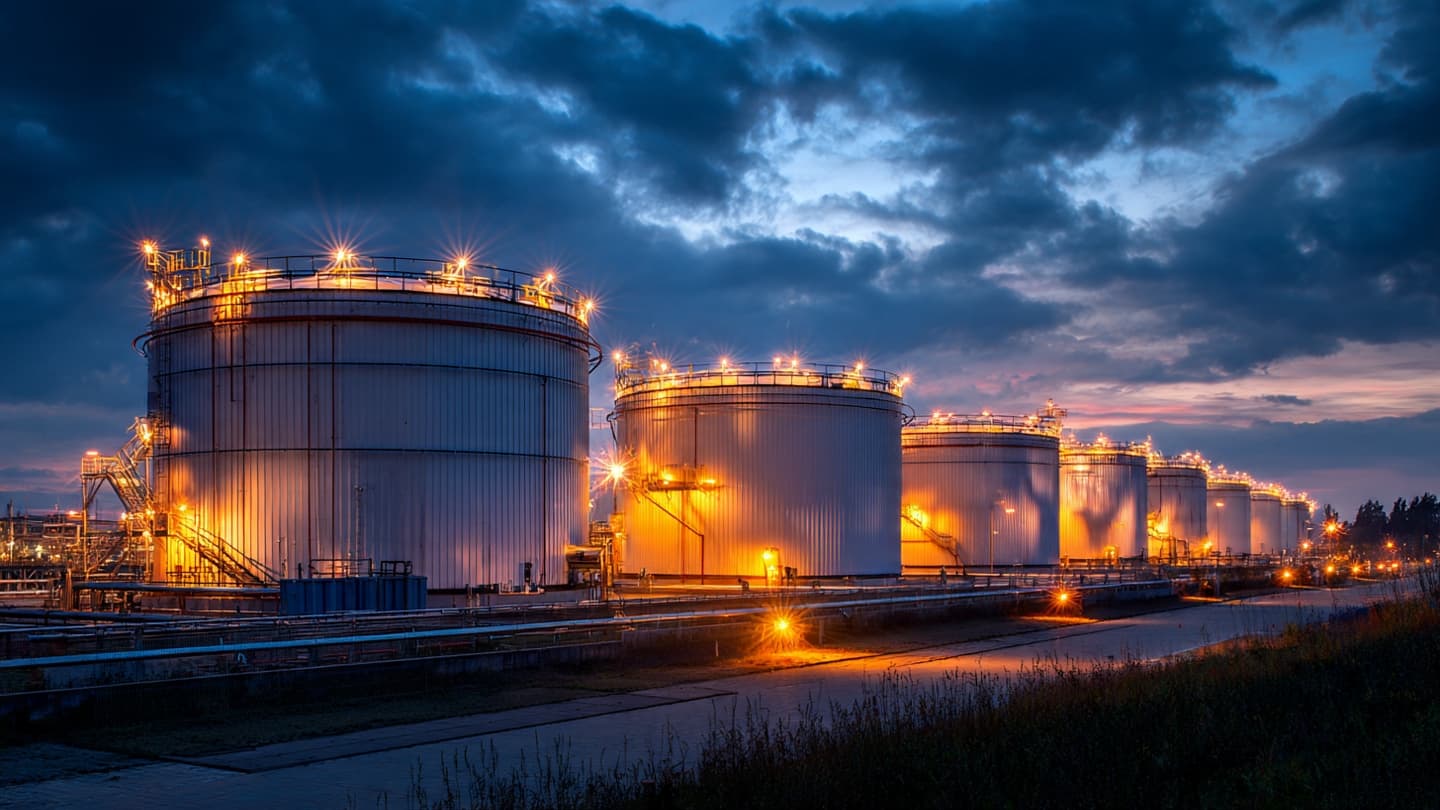
Oil and gas storage facilities are being upgraded in multiple regions. This includes expanding tank capacity, improving distribution infrastructure, and enhancing monitoring systems for real-time inventory tracking.
Energy planners are also diversifying procurement strategies. Instead of relying on a limited number of suppliers, countries are establishing broader sourcing networks to reduce dependency risks.
Market analysts note that even the perception of increased reserve accumulation can influence global pricing dynamics. This reflects how psychological factors interact with physical supply conditions in energy markets.
At the same time, investment in renewable energy infrastructure continues to grow. Governments view this as a parallel strategy that reduces long-term exposure to fossil fuel volatility.
Industrial sectors are also adjusting consumption patterns, implementing efficiency measures and optimizing energy use to reduce vulnerability to external shocks.
In this evolving landscape, energy security is no longer defined solely by availability, but by the resilience and flexibility of supply systems.
AI Image Disclaimer Visuals are created with AI tools and are not real photographs.
Source Check Reuters, Bloomberg, BBC News, The Guardian, Associated Press
Published by Banx Network. This article is part of the Banx decentralized media programme, powered by the BXE token on the XRP Ledger.