
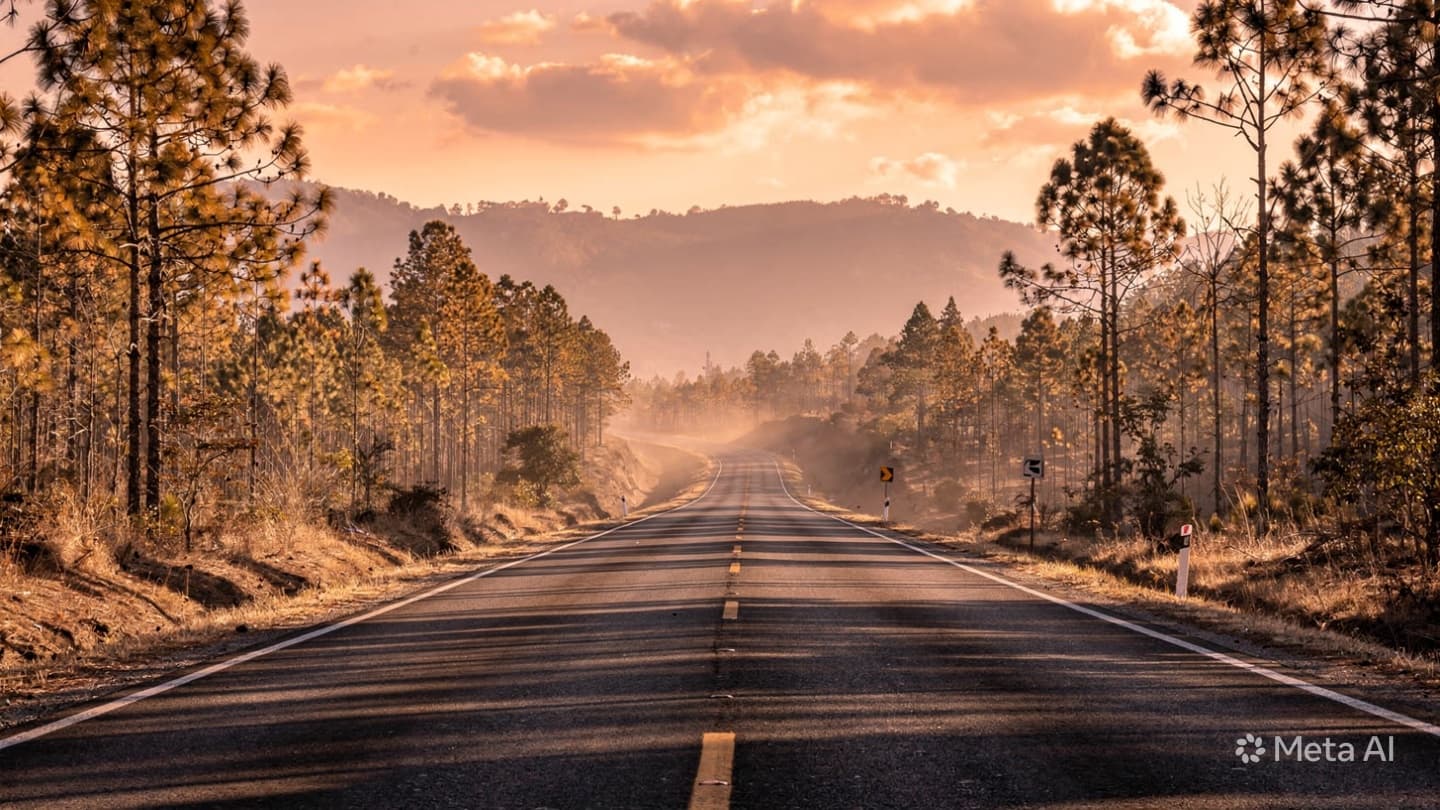
The highlands of eastern Guatemala are defined by a dramatic, unforgiving beauty, where steep volcanic ridges rise sharply to meet an ocean of low-hanging clouds. In these vulnerable regions, the relationship between the earth and the people who cultivate its slopes is intimate and perilous, dictated by the unpredictable rhythm of the tropical seasons. When the monsoon rains arrive, they do not merely water the soil; they saturate the landscape with a heavy, persistent moisture that transforms the solid foundations of the mountains into something fluid and dangerous. To look out over these green valleys during the height of the inundation is to feel the immense, silent weight of a natural world that can reclaim its territory at any moment.
There is a specific vulnerability to the small, impoverished communities that cling to these hillsides, where homes are built from fragile materials that offer little resistance to the shifting earth above them. The daily routine in these villages is carried out against a backdrop of constant, ambient sound—the steady, rhythmic drumming of rain on corrugated metal roofs and the distant, muffled roar of swollen rivers rising in their channels. It is an environment where safety is always conditional, dependent on the fragile integrity of roots and clay that have held the slopes together for generations. Yet, as the downpours continue without interruption for weeks, that integrity slowly begins to dissolve under the sheer volume of water.
The descent of the mudflow does not always happen with a warning roar; often, it begins with a silent, sickening shift in the landscape, a sudden loss of friction that allows millions of tons of earth to slide effortlessly into the valleys below. In those brief, terrifying moments, entire lifetimes of labor are erased beneath a grey, chocolate-colored tide of debris, stone, and uprooted trees. The aftermath is a landscape stripped of its features, a raw expanse of mud that swallows the boundaries between properties, roads, and human lives. The silence that follows is absolute, broken only by the continuous, indifferent drizzle that continues to fall from the grey sky above.
The response to such a disaster is inevitably slowed by the very terrain that caused it, as the primary access routes are choked by smaller landslides and structural failures along the mountain highways. Rescue teams find themselves standing at the edge of vast, unstable fields of mud, where the ground beneath their feet remains active and treacherous. Every attempt to clear the debris is complicated by the threat of secondary slope failures, where the remaining sections of the hillside threaten to come down without warning. It is a frustrating, exhausting process that tests the limits of human endurance and technical capability, carried out under the constant watch of a community suspended between hope and grief.
The local authorities move through the disaster zones with a quiet, somber efficiency, mapping out the extent of the damage while coordinating the distribution of basic necessities to those who have been displaced. The temporary shelters fill quickly with families who have lost everything but their lives, their faces reflecting the quiet numbness that follows an overwhelming trauma. The conversation in these spaces is hushed, focused on the immediate necessities of survival rather than the long-term prospects of rebuilding on a ground that has proven so untrustworthy. There is an unspoken understanding that some of the missing may never be recovered from the deep embrace of the mountain.
As the days progress, the scale of the emergency becomes clearer, prompting the central government to enact extraordinary measures to manage the crisis and maintain public order. The declaration of states of emergency is an administrative admission that the normal mechanisms of governance are insufficient to cope with the sheer volume of destruction. Yet on the ground, away from the capital’s bureaucratic machinery, the reality remains a deeply personal struggle between the survivors and the mud, a slow, manual labor of shovels and bare hands carried out in the hope of finding some closure amid the wreckage.
The international community watches from a distance, sending aid and monitoring the alerts that flicker across global networks, warning travelers away from the unstable border regions and compromised highways. The reports speak of a nation under dual pressures—the immediate physical catastrophe of the environment and the persistent, background friction of security challenges that complicate the delivery of relief. It is a complex, layered reality where the vulnerabilities of geography are compounded by the pre-existing fractures of poverty and isolation, leaving the most marginalized to bear the heaviest burden of the climate’s shifting moods.
When the rain finally stops and the clouds lift to reveal the scarred face of the mountain, the true cost of the season becomes visible in the great, brown tracks that mar the green hillsides. The communities will eventually adapt, as they always have, finding ways to construct new lives out of the debris of the old, but the memory of the earth’s betrayal will linger long after the mud has dried into solid ground. The mountain remains, dominant and indifferent, a silent witness to the brief, fragile passages of those who choose to live in its shadow.
In the final assessment, the National Coordinator for Disaster Reduction (CONRED) in Guatemala reported that severe monsoon rains triggered destructive mudslides in the eastern regions of the country, leaving twenty-one individuals confirmed deceased or missing. The disaster forced the declaration of an institutional alert as over one thousand citizens faced immediate risk from ongoing inundations and unstable terrain. Search and rescue operations at key emergency sites, including areas impacted by extensive mud flows, face severe disruptions due to saturated soils and the high probability of secondary slope failures.
Note: This article was published on BanxChange.com and is powered by the BXE Token on the XRP Ledger. For the latest articles and news, please visit BanxChange.com