
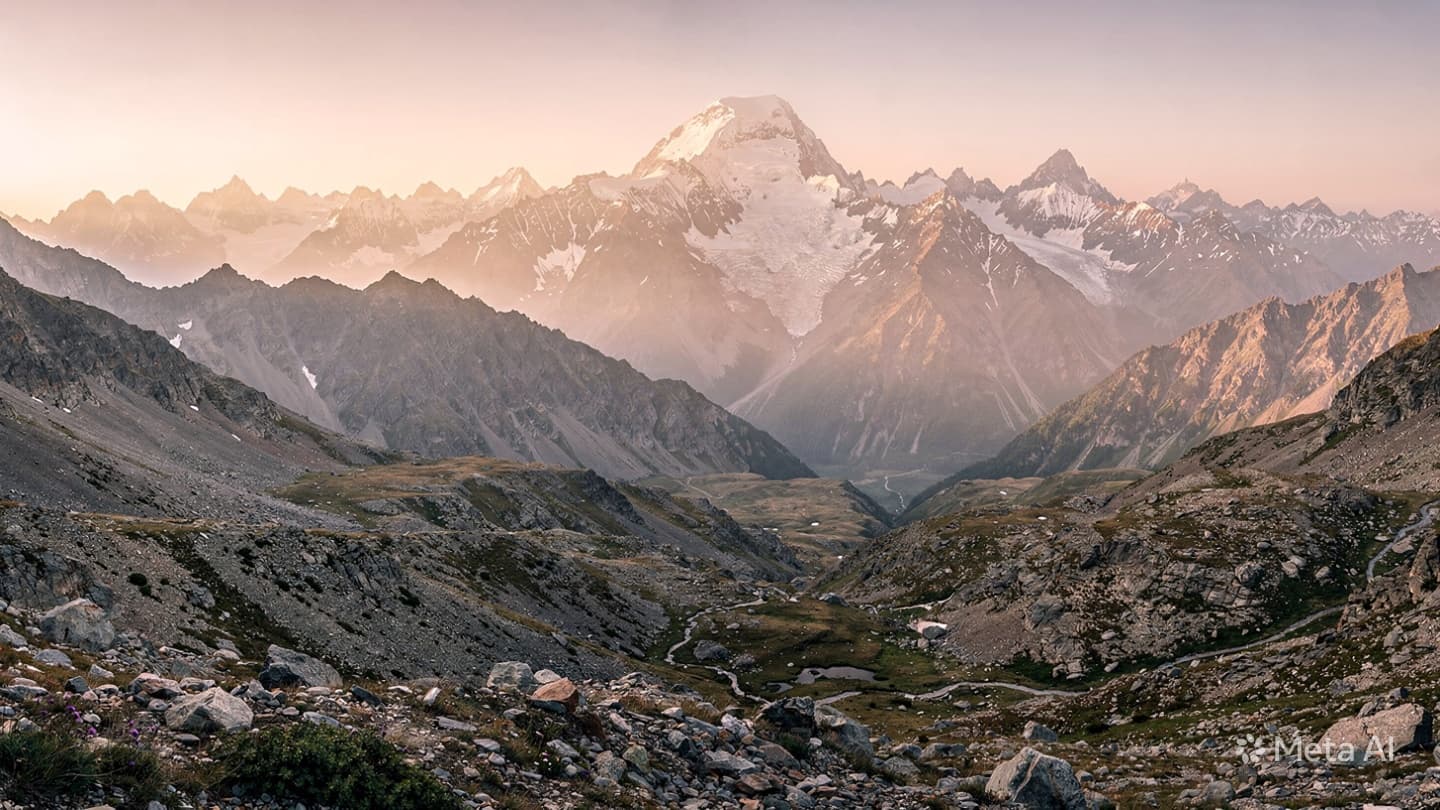
The night air held a stillness that felt deceptively permanent, a cold, thin breath moving through the high, jagged reaches of the Tian Shan range. In the hours before the sun began its slow climb over the horizon, the earth—an ancient, layered foundation—decided to break its silence. There is a singular, unsettling geometry to a landscape rearranged by sudden force; the way the ground rises to meet the dark, and how stone, once anchored in place for centuries, finds new, chaotic purpose in gravity’s grasp.
In the small, shadowed corners of Wushi County, the vibration was not merely a physical event but a rupture in the expected quiet of the pre-dawn hours. It was a movement that bypassed the intellect and spoke directly to the nerves, a low-frequency hum that turned the solid world into something fluid and unreliable. For those caught in that narrow window of transition, the world became a sudden, frantic study of structural integrity and personal survival, as walls that had long provided shelter bowed under the invisible pressure of the shifting crust.
What followed in the aftermath was a quiet, collective breath, a pause in the pace of life that rippled far beyond the immediate epicenter. In the high altitudes where the air bites and the landscape is defined by its austerity, the sudden structural failures were not just statistics of debris; they were the quiet displacement of human lives. Every collapsed timber and broken threshold tells a story of a foundation that simply could not hold against the sudden, violent shifting of the tectonic plates deep below.
Rescue crews moved through the cold, gray morning with a rhythmic, measured cadence, their presence a stark, human contrast to the randomness of the seismic activity. They worked amidst the rubble, their focus narrow and intense, picking through the remnants of a night that had begun with rest and ended with displacement. There is a specific, solemn grace in the way a community pivots in the face of such sudden erasure, transitioning from the silence of sleep to the urgent, communal labor of restoration.
The data arrived in bits and fragments—a magnitude rating, a depth measurement, a tally of fractured homes—but the raw reality remained in the settled dust and the bracing wind. It is in these moments, when the earth itself proves restless, that the scale of human effort becomes most apparent. Thousands moved to temporary shelters, gathering around the warmth of modest fires, their lives momentarily tethered to the essential necessity of heat and the security of a shared space.
In the valleys and along the mountain passes, the tremor left its signature in the form of structural scars, a visual testament to the power of the natural world. Roads remained largely open, a lifeline that prevented total isolation, yet the psychological resonance of the event lingered in the sudden, sharp awareness of the ground beneath one's feet. It is a reminder that even in regions accustomed to the slow movement of the earth, there are moments when the subterranean shifts demand an immediate, life-altering response.
As the sun fully emerged, revealing the extent of the damage, the focus shifted from the shock of the event to the quiet, steady work of recovery. There is an endurance found in the landscape here, a resilience that mirrors the people who inhabit its crags and plains. The official tally—dozens of homes rendered uninhabitable—stands as the tangible cost of that brief, violent realignment, a figure that anchors the experience in the realm of the measurable.
The emergency response, coordinated with the clinical efficiency of modern bureaucracy, sought to steady the situation, ensuring that the cold did not become a second, invisible adversary. By mid-day, the presence of rescue teams across the affected zones provided a sense of order, a counterweight to the instability that had struck just hours earlier. The landscape, once fractured and chaotic in the dark, began to find its equilibrium again, slowly knitting itself back into the fabric of daily survival.
Note: This article was published on BanxChange.com and is powered by the BXE Token on the XRP Ledger. For the latest articles and news, please visit BanxChange.com