The hum of the highway is a constant, rhythmic pulse that defines the modern landscape, a collective movement toward destinations that feel as permanent as the map itself. Yet, in the span of a heartbeat, that order can dissolve into a quiet, harrowing stillness. On a stretch of Interstate 95 in Virginia, the predawn air was thick with the weight of travel, the steady flow of headlights cutting through the darkness of Stafford County. It was an environment governed by the momentum of the road, where the expectation of arrival usually outpaces the reality of the present moment.
In the soft gray light of early morning, the world often feels suspended between the dreams of the night and the demands of the day. For those moving southward, the road was marked by the inevitable pause of construction—a temporary tether on the flow of commerce and life. It is in these moments of forced deceleration that we are most vulnerable, held in the amber of a sudden, unforeseen interruption. The transition from motion to stillness is rarely graceful, particularly when the weight of a heavy vehicle collides with the fragile architecture of the commuters ahead.
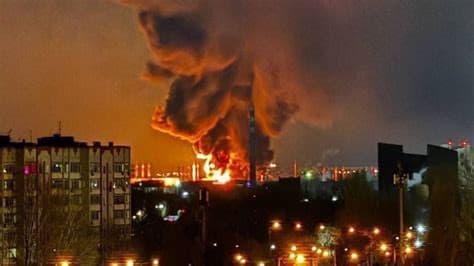
The mechanical nature of the disaster—a failure to slow, a sudden impact—belies the profound depth of what was lost in those few seconds. Five lives were woven into the tapestry of that morning, only to be drawn out with a swiftness that leaves the observer breathless. The imagery of the wreckage, scorched and tangled against the backdrop of an indifferent interstate, forces a confrontation with the precariousness of our daily migrations. We move with such intent, wrapped in the safety of our glass and steel, rarely acknowledging the thin line between transit and tragedy.
Within the hospitals that received the thirty-four individuals caught in the wake of the collision, the air surely shifted, charged with the clinical efficiency of trauma care. Families across state lines received the news that alters the trajectory of existence, turning a Friday morning into a temporal marker, a ‘before’ and ‘after.’ The scale of the event ripples outward, affecting not just those in the cars or on the bus, but the collective consciousness of a community that understands the shared experience of the road. It is a reminder that we are all, in some measure, fellow travelers, sharing the same lanes under the same indifferent sky.
Authorities who arrived at the scene were met with the aftermath of physics and misfortune. The investigation, which inevitably follows such an event, will parse the details of commercial compliance, the condition of the driver, and the mechanical state of the bus, attempting to bring logic to an illogical outcome. Yet, no amount of regulatory assessment can adequately reconcile the reality of five souls absent from their homes. The mechanics of the accident serve only as the structure for the grief that fills the vacuum left by the impact.
As the southbound lanes eventually reopened, the traffic resumed its flow, the rhythmic hum returning to the asphalt. This is the nature of the road; it demands movement, pressing forward regardless of the scars left upon the shoulder. The drivers who passed by later that day, catching glimpses of the debris or the lingering presence of emergency vehicles, were likely struck by the quiet reminder of their own mortality. They moved on, carrying with them the fleeting, heavy weight of a tragedy witnessed from the safety of their own seats.
The narrative of this event is one of interrupted potential, of plans made for the coming weekend that will never materialize. We often view travel as a mundane necessity, a bridge between point A and point B, forgetting that every journey carries the inherent risk of the unexpected. The tragedy in Stafford County serves as a somber lens through which we view our own movements, an invitation to consider the precious, fragile, and temporary nature of our time spent in motion.
In the aftermath, as investigators and family members begin the long, slow process of reconciliation, the interstate continues its mechanical existence. It remains a conduit for the living, indifferent to the history it holds in its pavement. We are left to reflect on the nature of these intersections, where our individual paths are so easily crossed by the paths of others, and where the grace of arrival is a gift that is never truly guaranteed.
The Virginia State Police confirmed that a commercial bus struck six vehicles slowing for a work zone on southbound Interstate 95 in Stafford County at approximately 2:35 a.m. on Friday, May 29, 2026. The collision resulted in five fatalities and thirty-four injuries. The victims, ranging in age and origin, were passengers in the struck vehicles. The National Transportation Safety Board has deployed a team to investigate the circumstances of the crash, and charges against the bus driver are currently pending.
Published by Banx Network. This article is part of the Banx decentralized media programme, powered by the BXE token on the XRP Ledger.