
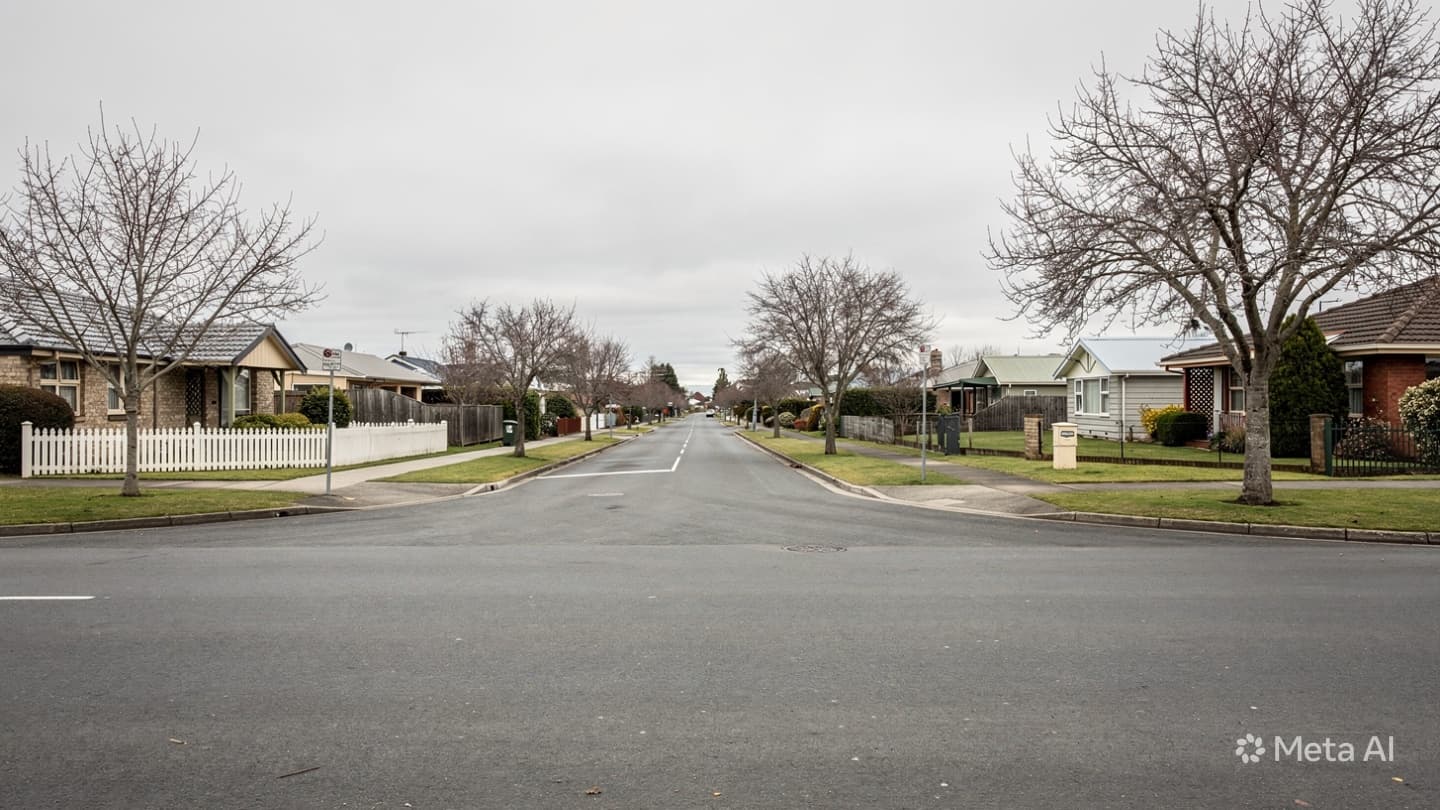
The streets of Christchurch often hold a familiar rhythm, a hum of transit that connects the suburbs to the central city in a steady, reliable flow. It is a place where the landscape—flat, sprawling, and open—invites a certain predictability to our movements. Yet, on a crisp day in late May, that rhythm was abruptly fractured. A motor vehicle crash, sudden and violent in its delivery, transformed a routine junction into a site of profound stillness, pulling the emergency services into a response that marked the end of one life and the irrevocable change of many others.
There is a visceral quality to the aftermath of such an event. The flashing lights of the fire trucks and police vehicles cast long, flickering shadows against the pavement, turning the ordinary infrastructure of the city into a theater of urgent, clinical activity. As responders work to stabilize the scene, the casual observers nearby find themselves suddenly confronted with the precariousness of their own routines. We move through these spaces assuming a continuity that is, in reality, quite fragile, dependent upon the coordination of countless unseen factors.
The investigators who arrive to document the crash move with a measured, disciplined focus. They are tasked with the difficult work of reconstructing the final moments, looking for the physical signatures—the skid marks, the debris, the damaged glass—that explain the sequence of events. Their work is devoid of the emotional shock felt by those nearby; it is an analytical undertaking, a search for the objective truths that define the mechanics of the collision and the reality of the impact.
This incident, which occurred on May 30, 2026, has left one person confirmed dead, a loss that casts a long shadow over the immediate community. As the authorities manage the site, the city around the intersection continues its indifferent, relentless motion, yet the space itself has been marked. The incident prompts a quiet, sober reflection on the nature of our transit, the way we occupy the road, and the stark reality that the systems we rely on for safety are not immune to the sudden, transformative power of chance.
In the hours following, the focus shifts from the immediacy of the crash to the gathering of information. Witnesses are interviewed, statements are taken, and the process of legal reporting begins. This is the way we manage the incomprehensibility of such a loss, by channeling the chaos of the moment into the structured, written record of an investigation. It is a necessary exercise, providing the clarity that is required by the law, even if it cannot fully address the weight of what has been lost.
For the residents of Christchurch, these occurrences serve as a difficult reminder of the vulnerability we carry into our daily lives. We are often lulled into a sense of security by the familiarity of our routes and the perceived order of our roads, forgetting that each journey is an act of negotiation with the unexpected. The crash is not merely a data point in a traffic report; it is a point of rupture in the shared life of the district, an event that pulls us toward a contemplation of our own mortality.
As the emergency services clear the scene and the traffic begins to return to its usual flow, the memory of the event persists as a quiet, sobering presence. The investigation will move forward, the details will be scrutinized, and eventually, the intersection will lose its association with the tragedy. Yet, for now, the community sits with the aftermath, acknowledging the loss and the fragility that underscores even the most routine of days. It is a moment for stillness, for reflection, and for recognizing the thin, invisible line between the ordinary and the final.
Ultimately, the Christchurch collision is a testament to the unpredictable nature of our movement through the world. We navigate the landscape with a confidence that is often misplaced, relying on the solidity of the earth and the competence of our neighbors. When that trust is broken, we are left to confront the reality of our own limitations. We observe the aftermath, we wait for the reports, and we continue, moving forward with the quiet understanding that our time in the light is both precious and profoundly uncertain.
Note: This article was published on BanxChange.com and is powered by the BXE Token on the XRP Ledger. For the latest articles and news, please visit BanxChange.com