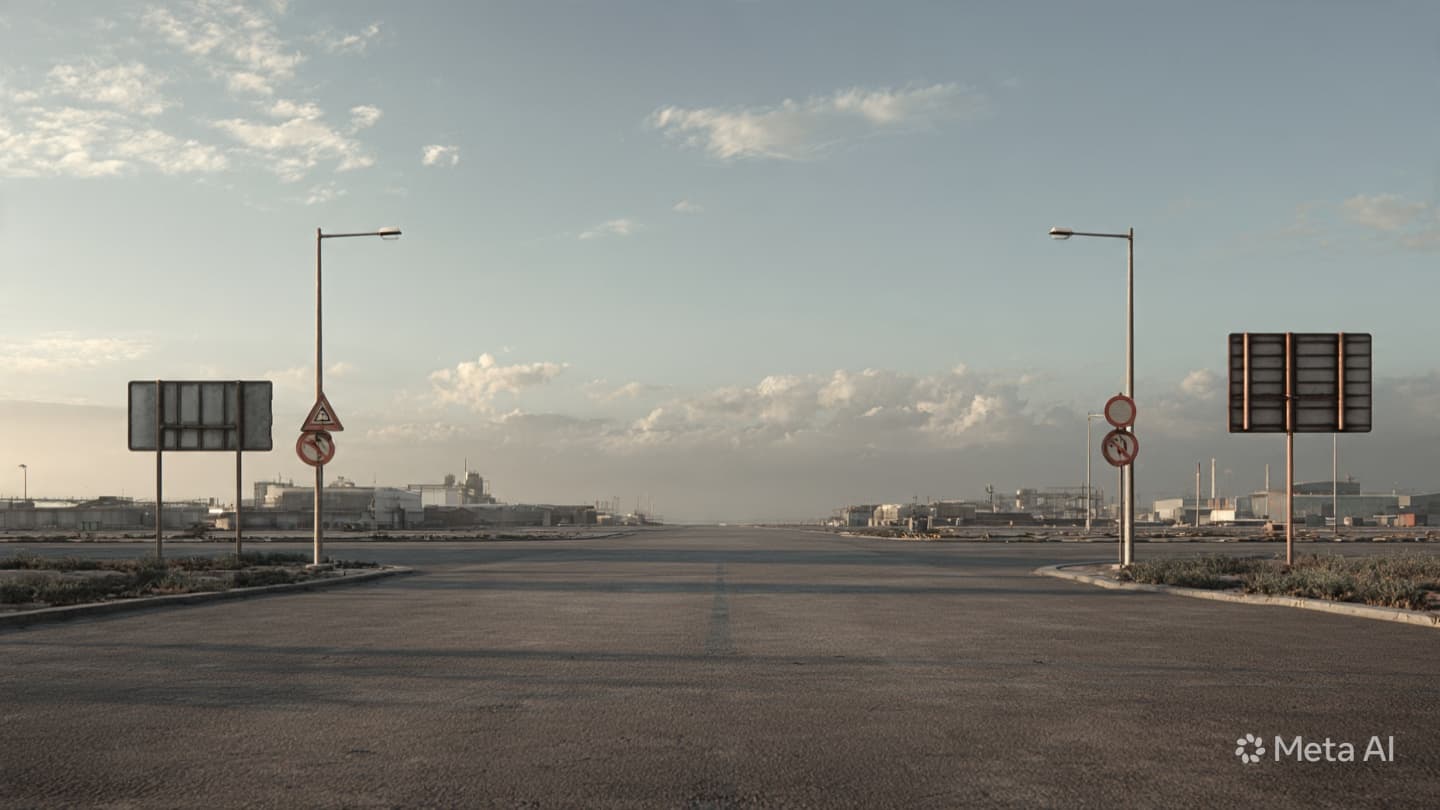
The road leading through Birżebbuġa, particularly the industrial arteries like Triq Ħal Far, is designed for the steady, heavy flow of commerce. It is a landscape of scale, where the movement of large machines is a standard, expected part of the day. Yet, when the rhythm of this transit is shattered by a collision between two heavy-duty trucks, the scene transforms into something entirely different: a site of visceral, complex wreckage that defies the routine of the road.
The impact of two such massive vehicles is not merely a traffic incident; it is a display of raw, mechanical force. The collision is a rupture in the expected flow, creating a sudden, chaotic entanglement of steel, fluids, and debris. For those who arrived at the scene—the Civil Protection members, the medical teams, the police—the challenge was as much about logistics as it was about life-saving. To navigate the wreckage is to engage with the reality of our dependence on these heavy transport links and the inherent risks they carry.
For the drivers involved, the experience is a profound disorientation. The sudden shift from the act of piloting a heavy vehicle to the immediate, physical aftermath of the crash is a trauma of the highest order. The hospitalization of those involved is the final, essential chapter of a journey that was meant to be one of standard delivery, now redirected toward the sterile, measured focus of trauma care. It is a story of human vulnerability in the shadow of machines designed for endurance.
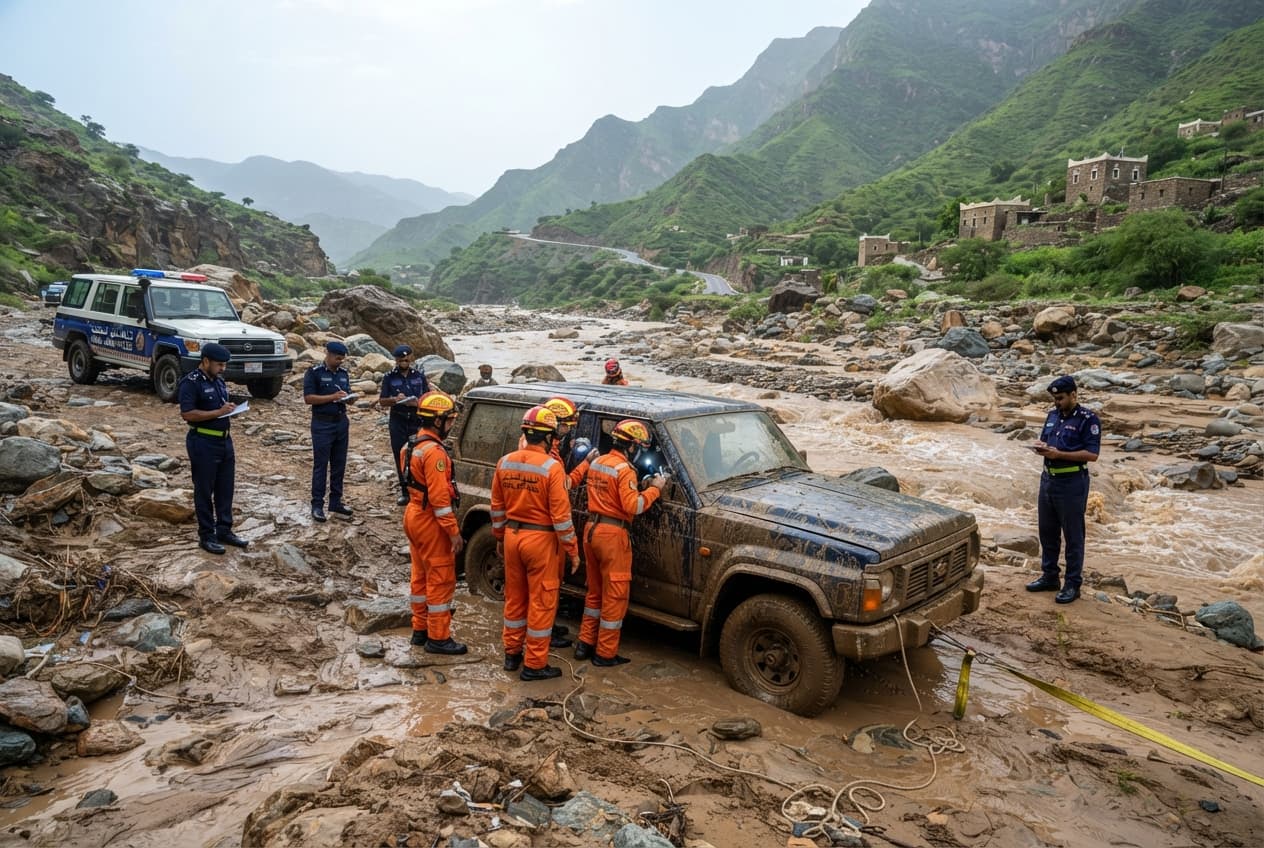
The emergency response itself is a testament to the community’s infrastructure. The sirens that cut through the midday air, the arrival of the specialized teams to clear the hazards—oils, concrete, and debris—these are the essential, unseen services that maintain the order of our shared spaces. They work with a quiet, efficient focus, providing a buffer between the raw reality of the crash and the public’s need for safety and resolution.
As the road remained closed and the investigation took shape, the event left an indelible mark on the landscape of Birżebbuġa. The collision becomes a reference point, a moment in the local history that reminds residents and commuters of the unpredictability of the transit corridors they frequent. It is a reflective pause, a moment to consider the weight of the machines that sustain our economy and the fragile, human element that remains at the center of every accident.
The ongoing investigation will, in time, clarify the causes—the potential for mechanical failure, the nuance of speed and road conditions, the variables of human focus. But the truth of the event is more profound: it is a realization of the fragility of our structures and the suddenness with which order can be undone. It prompts a dialogue not just about road safety, but about the very systems of logistics that govern the way we move goods and people across the island.
In the final analysis, the wreckage in Birżebbuġa is a reflection on the interconnectedness of our lives. Every truck on the road is a part of a larger chain, a link in the vast network of support that keeps our world functioning. When that chain breaks, the impact is felt far beyond the site of the crash. It is a narrative of resilience, of a community that works to clean the road, to heal the injured, and to eventually restore the flow of life to the pathways we rely upon.
The process of rebuilding, of clearing the debris, and of returning to the ordinary is the work of a community that understands its own inherent vulnerability. We move through the world, often taking the safety of our infrastructure for granted, and it is only in the shadow of the wreckage that we are truly reminded of the balance we must hold. As the road is reopened and the trucks begin to roll again, the memory of the impact remains, a quiet, sobering reminder of the gravity of the road.
Published by Banx Network. This article is part of the Banx decentralized media programme, powered by the BXE token on the XRP Ledger.