Financial markets often resemble changing weather patterns. On some days the horizon appears clear and predictable; on others, uncertainty gathers slowly like distant clouds. When visibility becomes less certain, investors naturally begin searching for places that offer protection from potential turbulence.
Recent market activity has highlighted a growing movement toward so-called safe-haven assets. Government bonds, gold, and other traditionally defensive investments have attracted increased attention as investors evaluate risks associated with economic uncertainty, market volatility, and geopolitical developments.
The concept of a safe haven is rooted in stability. These assets are generally viewed as preserving value during periods when stocks or other risk-sensitive investments experience fluctuations. While no investment is entirely free from risk, certain instruments have historically demonstrated resilience during challenging market conditions.
Global investors face a variety of considerations. Inflation trends, energy prices, supply-chain developments, interest-rate expectations, and international events all contribute to market sentiment. Even when individual risks appear manageable, their combined effect can encourage a more cautious approach.
Government bonds remain among the most widely recognized defensive assets. Investors often view sovereign debt issued by financially stable countries as a relatively secure destination during periods of uncertainty. Increased demand for these instruments can influence yields and broader financial conditions.
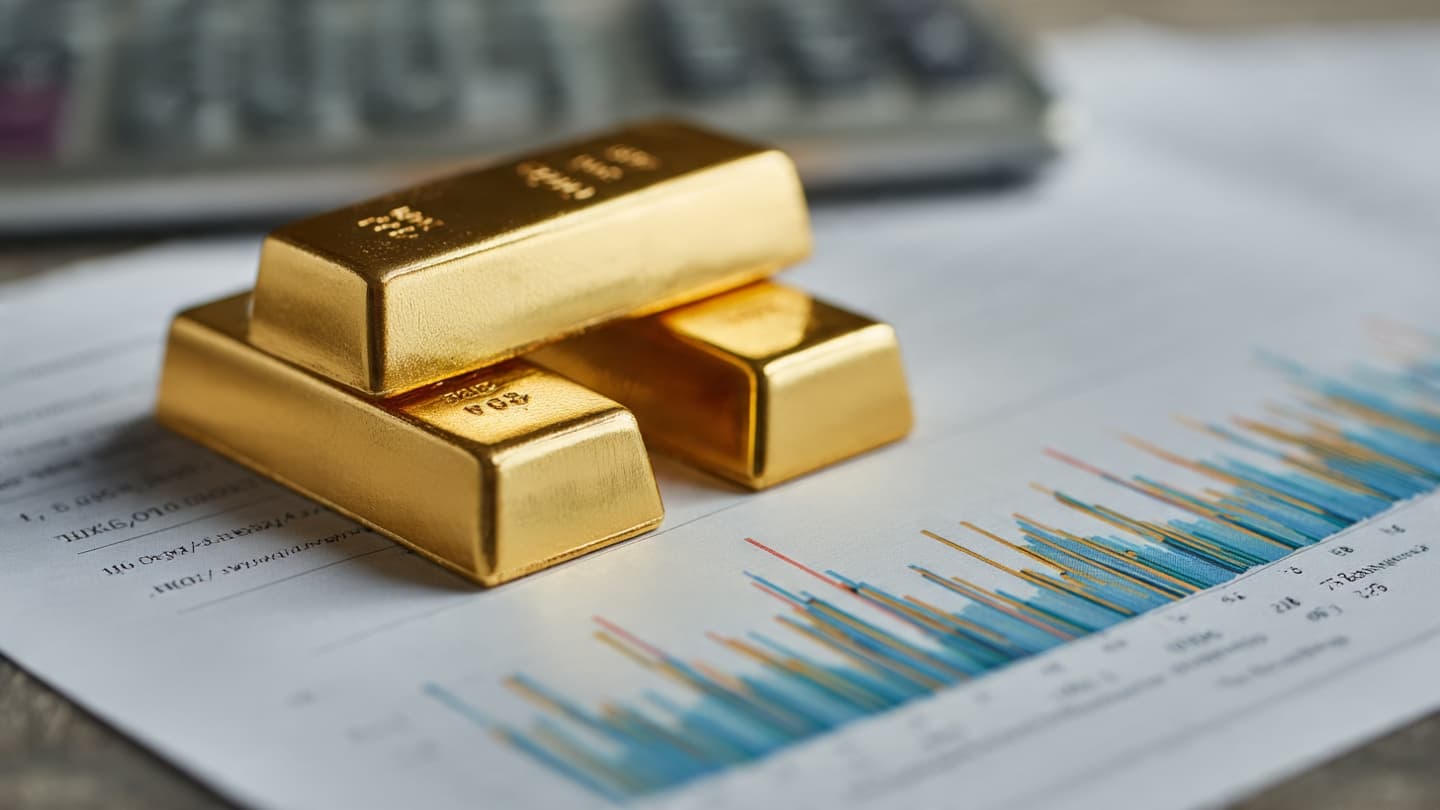
Gold continues to play a unique role as well. For centuries, the precious metal has served as a store of value during economic transitions and market disruptions. While its price can fluctuate, many investors consider gold an important component of diversified portfolios.
The movement toward safety does not necessarily signal pessimism. In many cases, it reflects prudent portfolio management. Professional investors regularly adjust allocations to balance growth opportunities with risk exposure. Defensive positioning may simply represent preparation rather than fear.
Market strategists emphasize the importance of long-term perspectives. Economic cycles naturally include periods of uncertainty and recovery. Investors who maintain diversified strategies are often better positioned to navigate changing conditions without overreacting to short-term developments.
Technology and data analytics have also transformed how investors assess risk. Real-time information allows financial institutions to monitor global developments more closely than ever before. This increased visibility can accelerate shifts in market positioning when conditions change.
As financial markets continue responding to evolving global circumstances, the appeal of safe-haven assets remains understandable. In uncertain times, stability carries its own value. Whether through bonds, precious metals, or other defensive investments, many investors are choosing caution—not as a retreat from opportunity, but as a means of preserving confidence while waiting for clearer skies ahead.
AI Image Disclaimer Graphics are AI-generated and intended for representation, not reality.
Sources Reuters Bloomberg Financial Times The Wall Street Journal CNBC
Published by Banx Network. This article is part of the Banx decentralized media programme, powered by the BXE token on the XRP Ledger.