
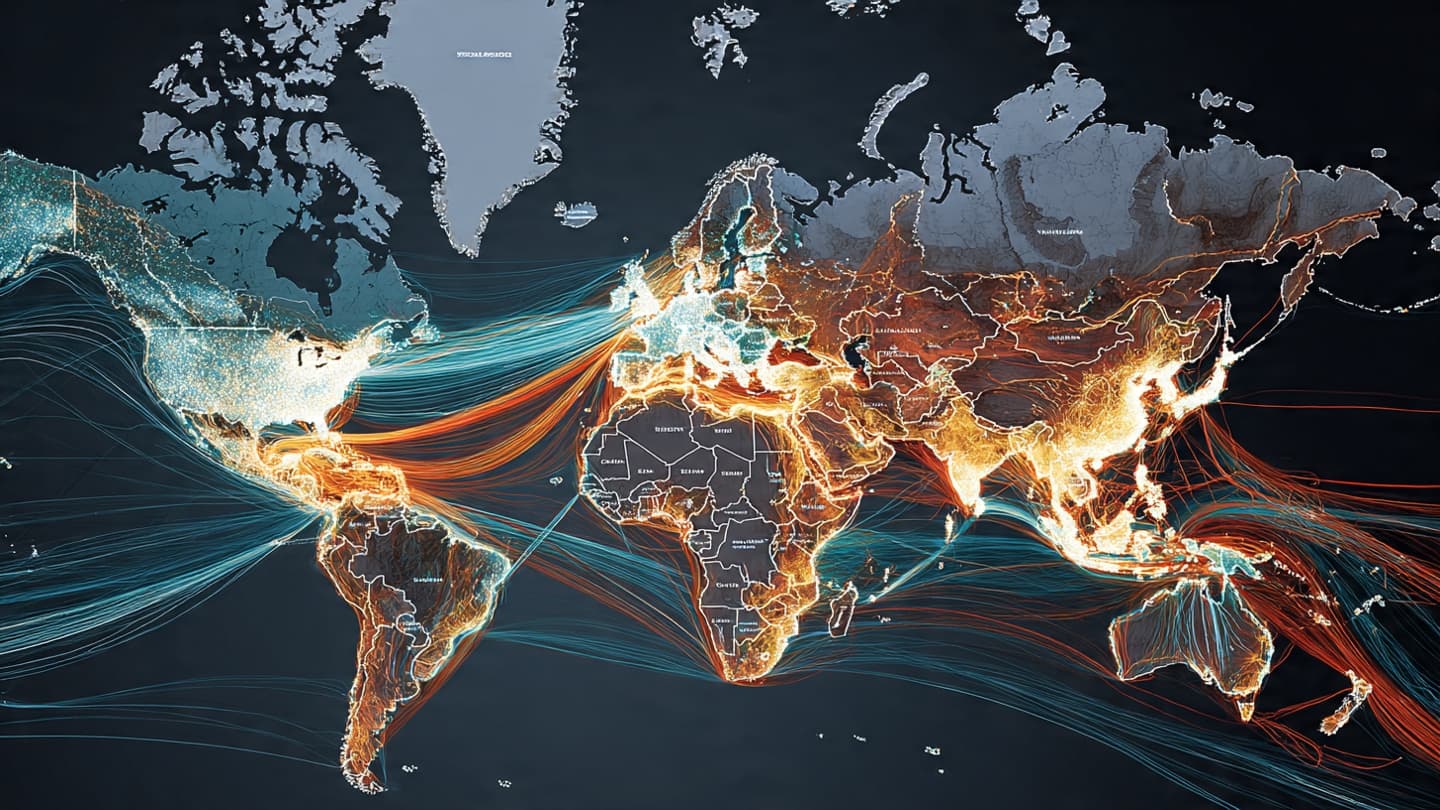
The global economy is entering a phase of gradual but meaningful transformation as energy transition efforts and market volatility continue to influence long-term planning. This shift is not abrupt, but layered across multiple sectors and timeframes.
Energy systems remain central to this transformation. As countries diversify their energy sources, they are simultaneously managing the economic impact of fluctuating global prices.
Emerging economies face a delicate balancing act between sustaining growth and managing rising energy costs. This requires continuous adjustment of fiscal policy, infrastructure investment, and import strategies.
Industries are increasingly adopting renewable energy solutions, not only for sustainability goals but also for economic predictability. Solar and wind energy projects are becoming more integrated into national energy portfolios.
Financial markets are responding with cautious optimism, as investors weigh long-term opportunities in clean energy against short-term instability in traditional energy sectors.
Consumers experience indirect effects through transportation and goods pricing. While changes may appear incremental, they collectively influence consumption habits and economic expectations.
International cooperation is expanding, with countries engaging in joint energy projects and technology sharing initiatives. These collaborations aim to reduce dependency on volatile single-source supply systems.
In this evolving environment, energy is no longer just a resource—it is a defining factor shaping the structure, direction, and resilience of global economic systems.
AI Image Disclaimer Visuals are created with AI tools and are not real photographs.
Source Check Bloomberg, Reuters, BBC News, The Guardian, Al Jazeera
Note: This article was published on BanxChange.com and is powered by the BXE Token on the XRP Ledger. For the latest articles and news, please visit BanxChange.com