Financial markets often move like changing tides, carrying waves of optimism one moment and measured caution the next. Newly listed companies frequently experience that rhythm as investors weigh long-term potential against immediate valuation, allowing expectations to evolve with every trading session.
Short sellers have increased their bets against SpaceX after the aerospace and artificial intelligence company's shares fell below their initial public offering price of $135. According to data from Ortex Technologies, bearish investors have accumulated an estimated $8.7 billion in paper profits since the company's public debut, as the stock retreated sharply from its post-IPO high.
SpaceX shares climbed to approximately $225.64 shortly after the IPO before reversing course over subsequent weeks. The decline briefly pushed the stock below its offering price for the first time, reflecting the heightened volatility that often accompanies large technology listings. By Thursday, the shares had recovered modestly to trade slightly above the IPO level.
Data from Ortex indicate that nearly 49% of SpaceX's publicly tradable shares are currently on loan, with most believed to support short-selling activity. Because the company's public float remains relatively limited, analysts note that even moderate trading volumes can contribute to significant price swings.
Several factors have contributed to investor caution. Analysts have pointed to concerns over the company's valuation, substantial spending on artificial intelligence initiatives, and the approaching expiration of lock-up agreements that could allow additional insider-held shares to enter the market in the coming months. Increased share availability may influence future trading activity, although it does not necessarily mean those shares will be sold.
Despite the recent decline, many market observers continue to view SpaceX as a company with significant long-term growth potential. Some investment firms maintain positive outlooks based on the company's aerospace operations, satellite business, and future technological ambitions, even as they acknowledge the likelihood of continued price volatility.
Market participants also recognize that large short positions can introduce additional uncertainty. If the stock were to rise sharply, investors betting against the company could be forced to repurchase borrowed shares, a process that sometimes accelerates upward price movements. Conversely, continued weakness could further benefit existing short sellers.
As trading continues, SpaceX remains one of the market's most closely watched newly public companies. Whether the stock stabilizes or experiences further fluctuations, investors are likely to remain focused on upcoming earnings, operational developments, and broader market conditions that may shape its next chapter.
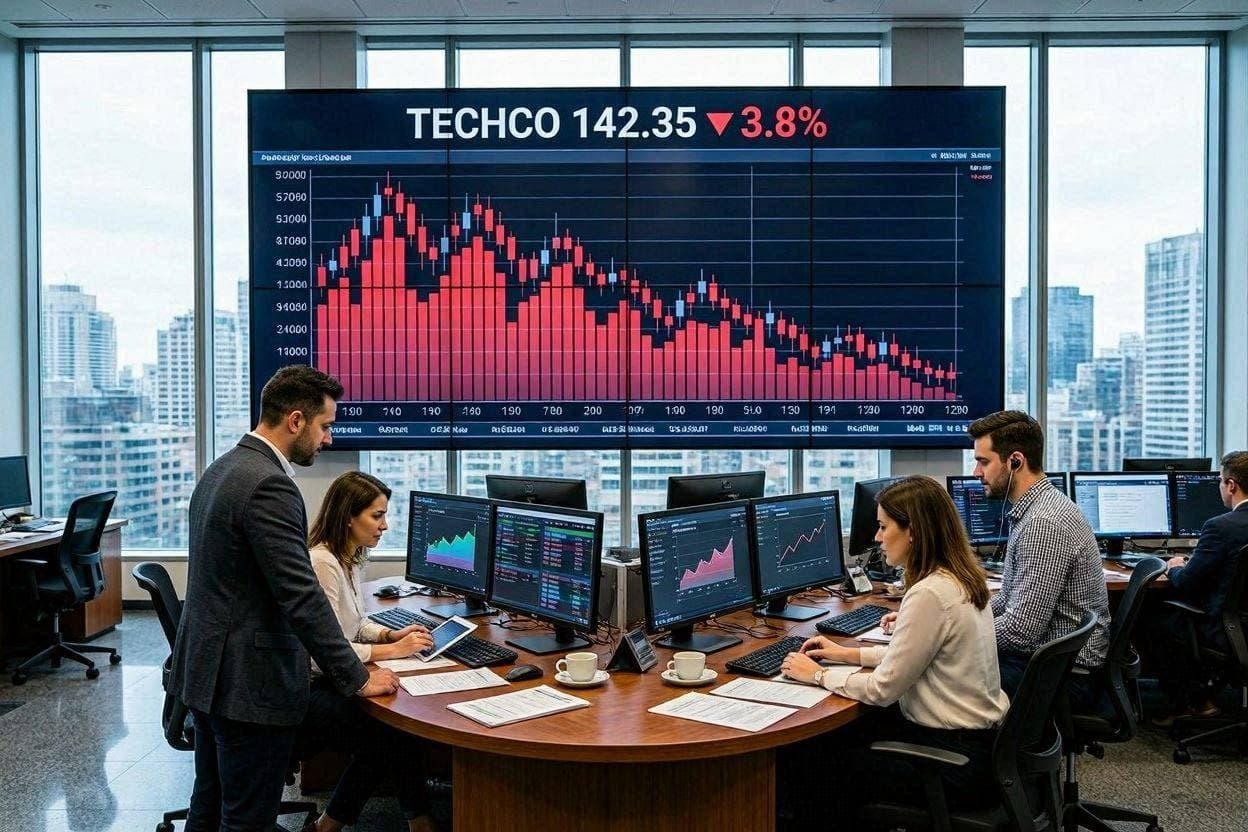
AI Image Disclaimer: This illustration was created using artificial intelligence to visually represent the financial news and is not an actual photograph.
Source Verification: Reuters, MarketWatch, Investopedia, Barron's
Published by Banx Network. This article is part of the Banx decentralized media programme, powered by the BXE token on the XRP Ledger.